
Polianthes Tuberose Pink Sapphire
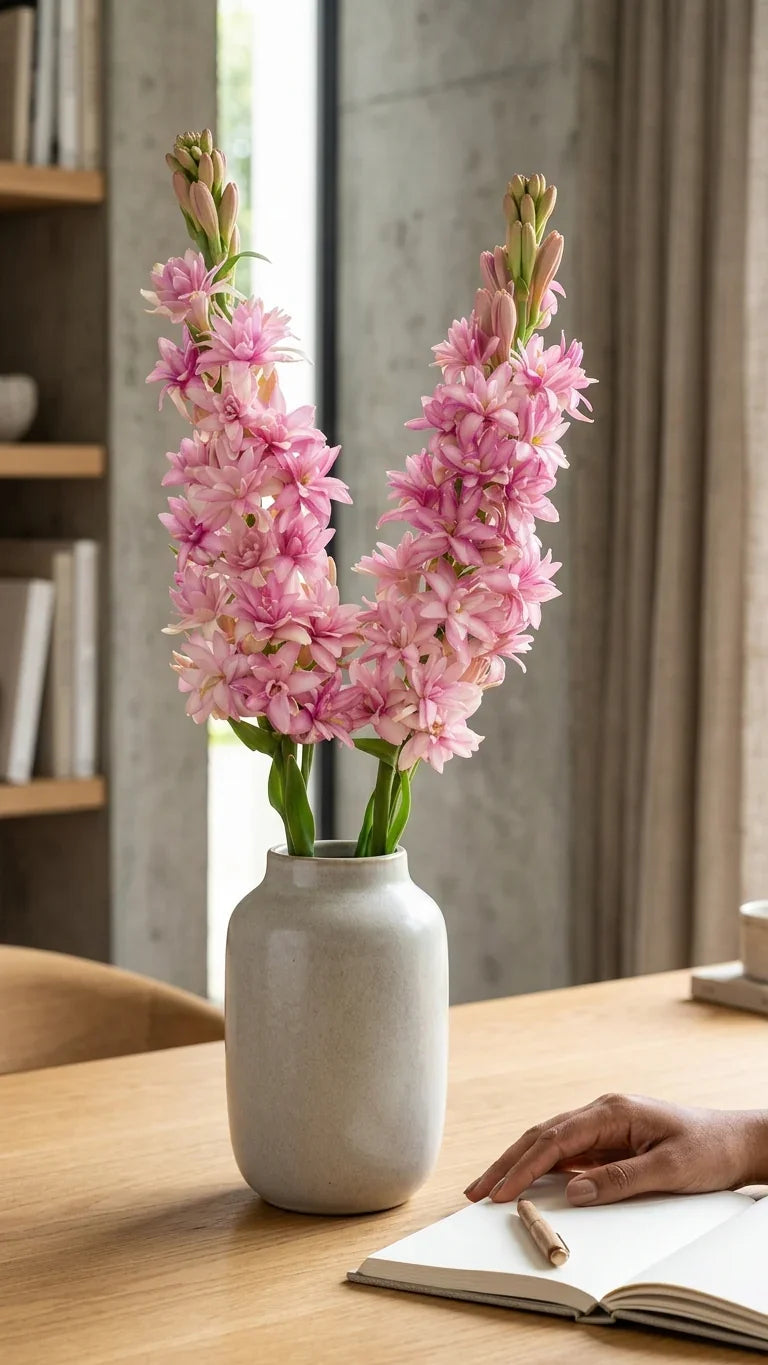
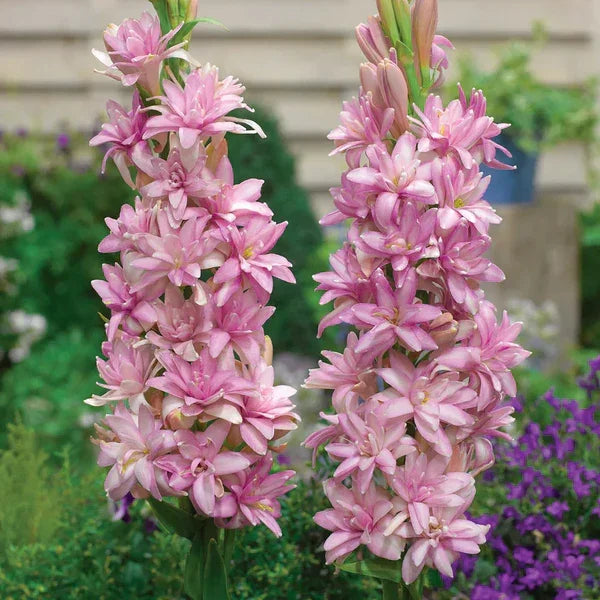
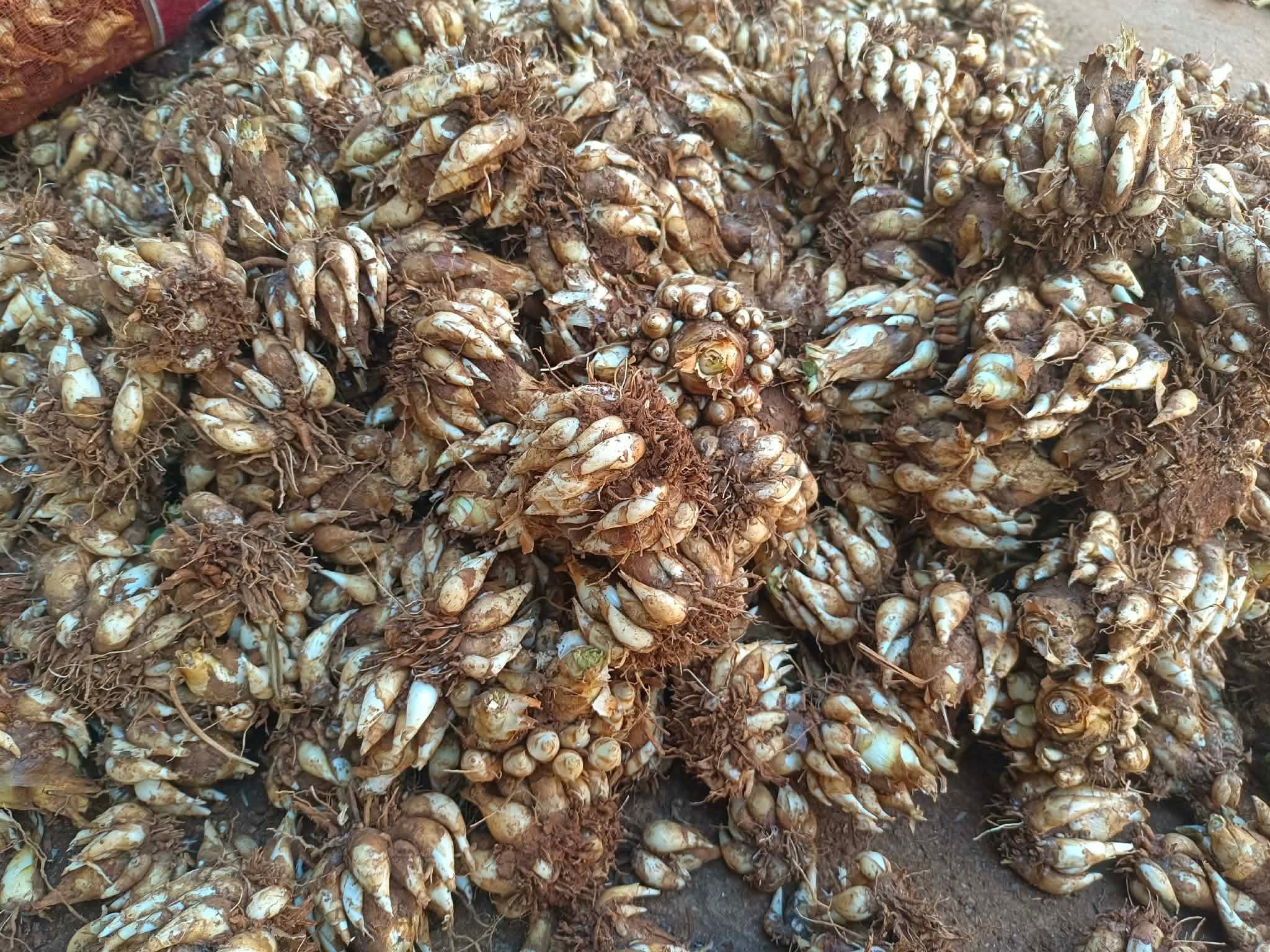
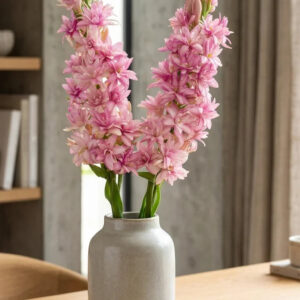
Polianthes tuberosa Pink Sapphire (recently reclassified botanically as Agave amica, though commercially still sold as Polianthes) is a stunning, colored variant of the classic Rajnigandha.
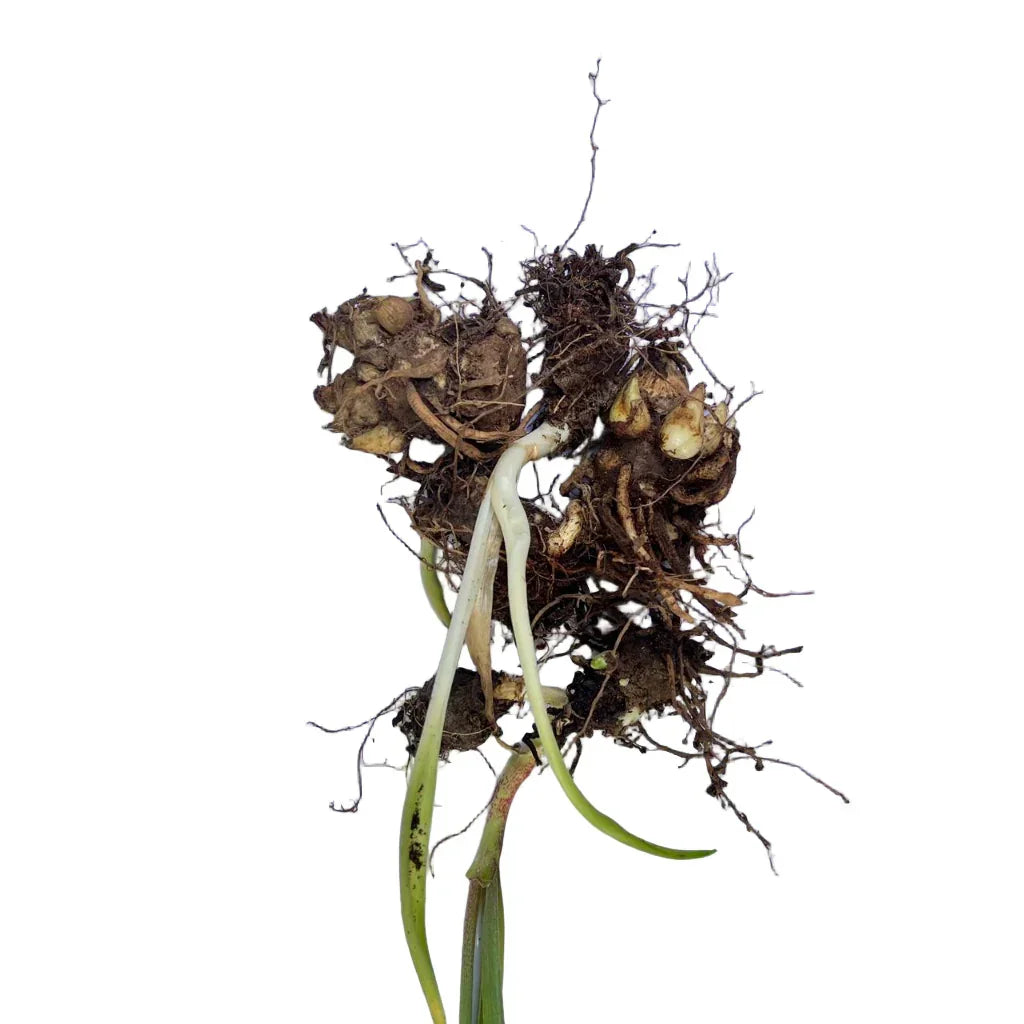
For Seedlings India, this is a phenomenal seasonal offering. Just like the Curcuma bulbs, Tuberoses are grown from underground rhizomes/bulbs, giving you the exact same logistical advantages: they are lightweight, easy to store, and practically immune to shipping damage when sent dormant.
Growth & Characteristics
While the traditional Tuberose is famous for its pure white, waxy flowers, ‘Pink Sapphire’ offers a highly sought-after splash of color while retaining the legendary fragrance.
-
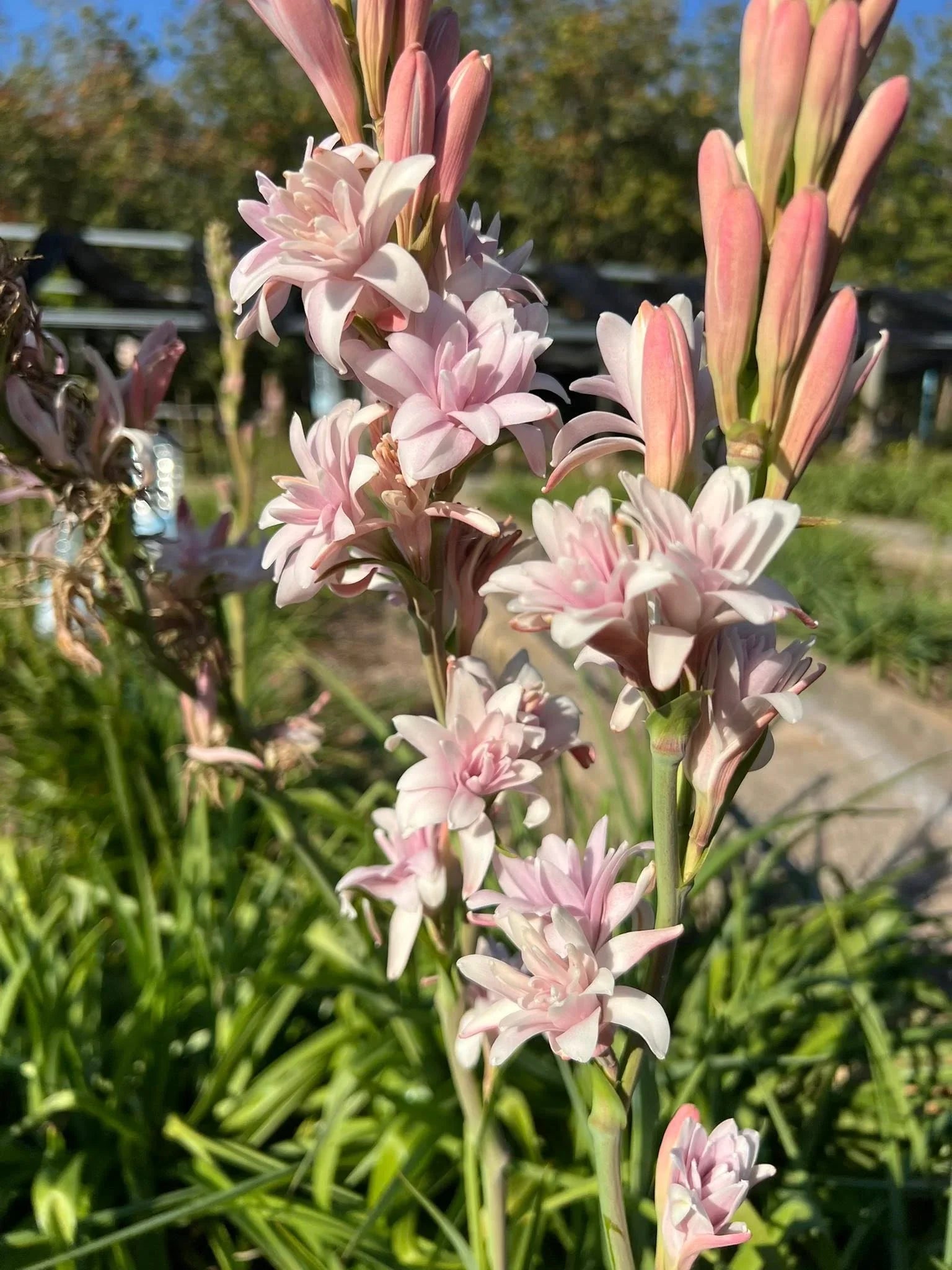
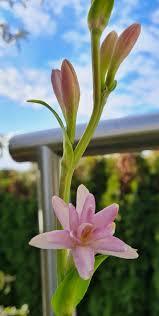
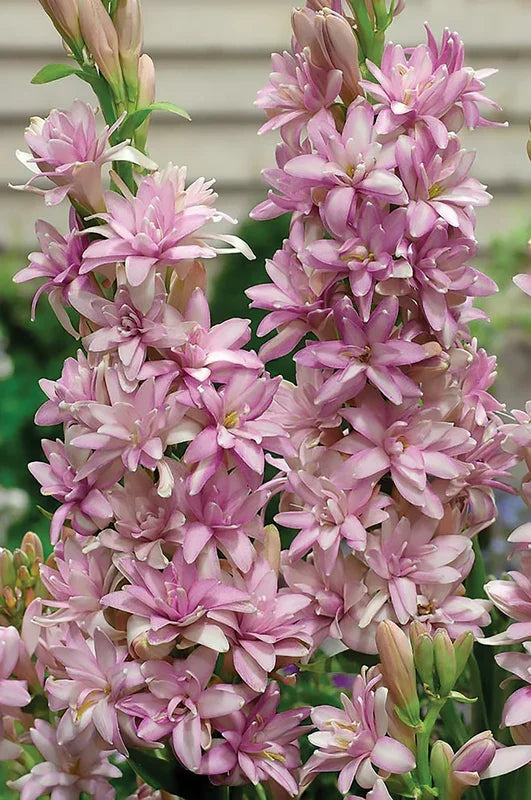
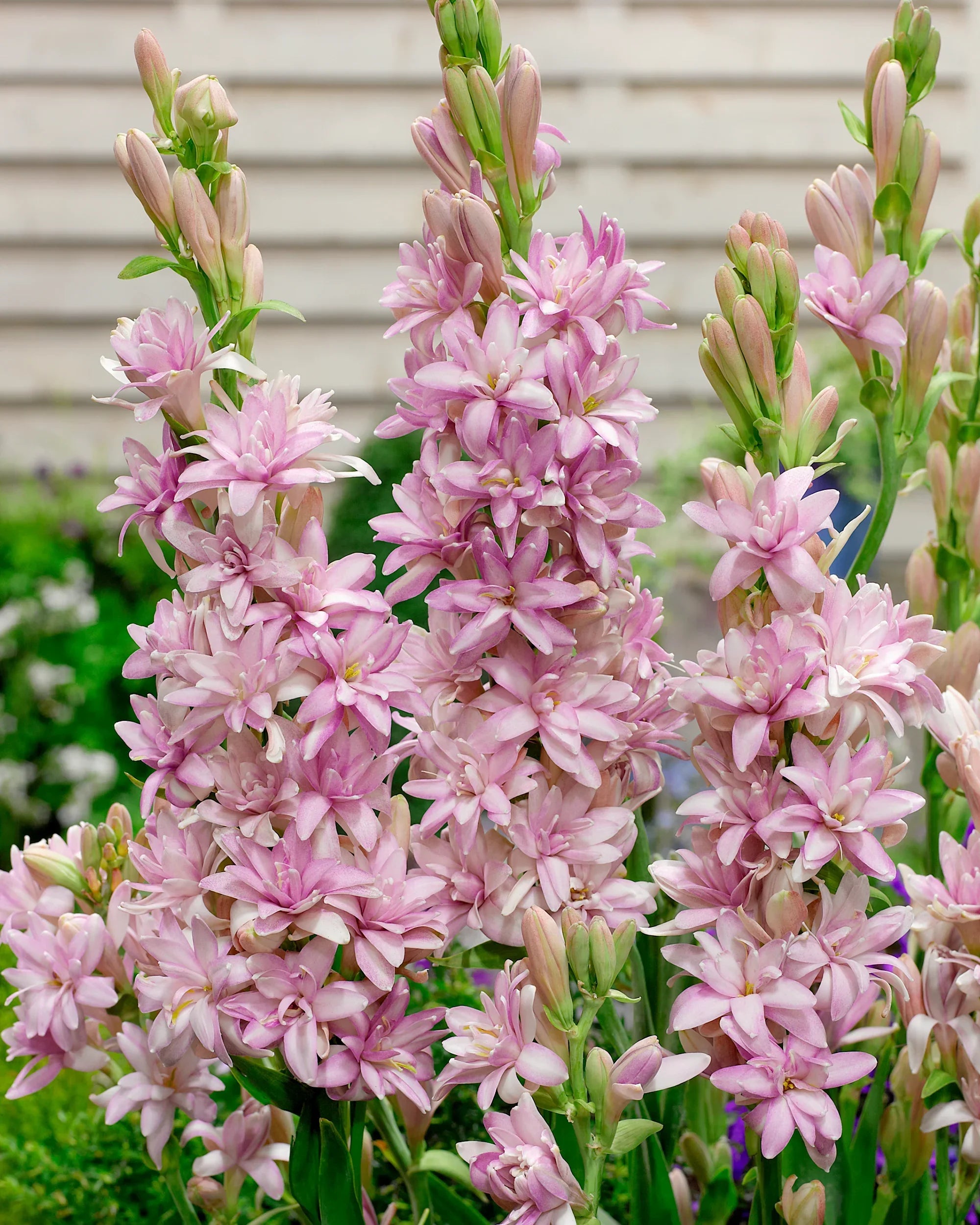
The Blooms: It produces tall, elegant floral spikes loaded with double or semi-double, star-shaped flowers. The buds start out a deep, rich pink and open into a softer, blush-pink color.
-
The Fragrance: Like the classic white variety, ‘Pink Sapphire’ emits a heavy, intoxicating, sweet floral scent that becomes most powerful in the evening and night.
-
Foliage: It features grassy, bright green, lance-shaped leaves that clump at the base of the tall flower stalks.
Cultivation and Care
In a climate like the NCR (Noida/Delhi), these are fantastic summer bloomers, but their care needs are quite different from your succulents:
-
Light: Polianthes Tuberose Pink Sapphire demands full sun. At least 6 to 8 hours of direct sunlight is necessary to produce strong flower stalks. Too much shade will result in excessive grassy foliage and no blooms.
-
Watering: During the active growing and blooming season (spring through the monsoon), they are heavy drinkers. The soil should be kept consistently moist but never waterlogged.
-
Soil: They are heavy feeders and require rich, loamy, well-draining soil. Amending your potting mix with compost or well-rotted manure will yield significantly better floral spikes.
The Dormancy Cycle
Just like Curcuma, Polianthes Tuberose Pink Sapphire have a distinct winter dormancy period that is crucial for customers to understand:
-
As winter approaches and temperatures drop, the grassy foliage will begin to yellow and die back.
-
During this period, watering must be drastically reduced or stopped entirely. If the soil stays cold and wet during the winter, the underground bulbs will rot.
-
Customers can either leave the bulbs in the dry soil until spring or dig them up and store them in a cool, dry place to replant when the weather warms.

Reviews
There are no reviews yet.