
Sansevieria Ballyi
Sansevieria ballyi (often known as the Dwarf Sansevieria) is a quirky, miniature species that completely breaks the mold of traditional upright snake plants. For a specialized catalog like Seedlings India, it offers a fantastic retail advantage: because of its unique trailing habit, it is one of the very few Sansevieria species that can be aggressively marketed and styled for hanging baskets.
Origin and Growth Habit
Named after Dr. Peter Bally, a Swiss botanist who worked extensively in East Africa, this species is native to the rocky, arid regions of southern Kenya and northern Tanzania. It evolved its unique structure to spread rapidly across harsh, uneven terrain.
-
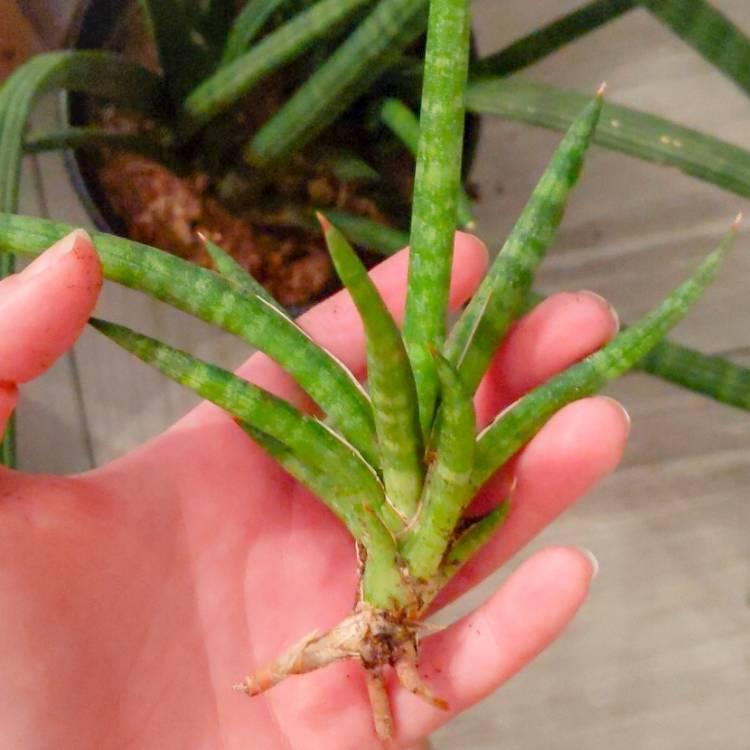
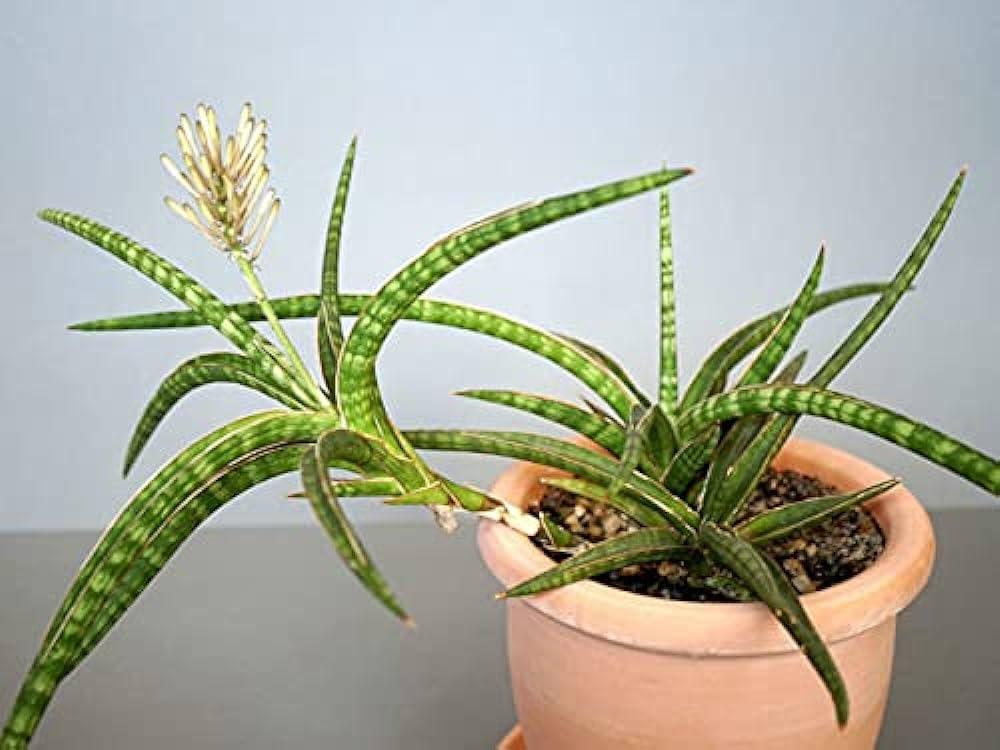
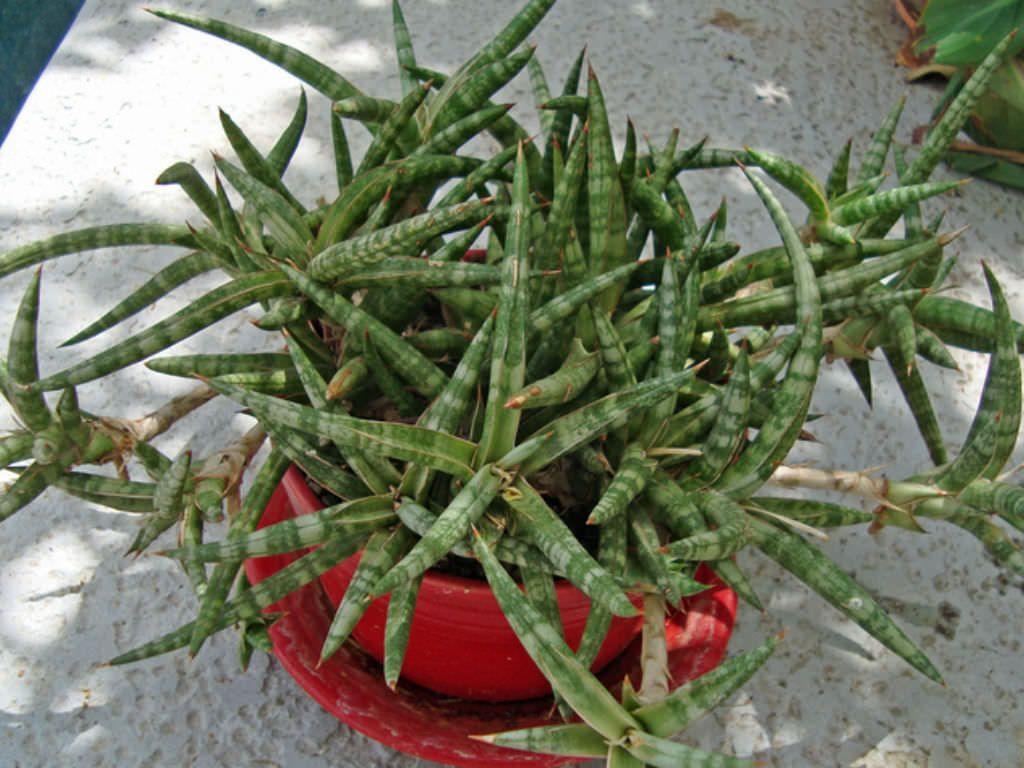
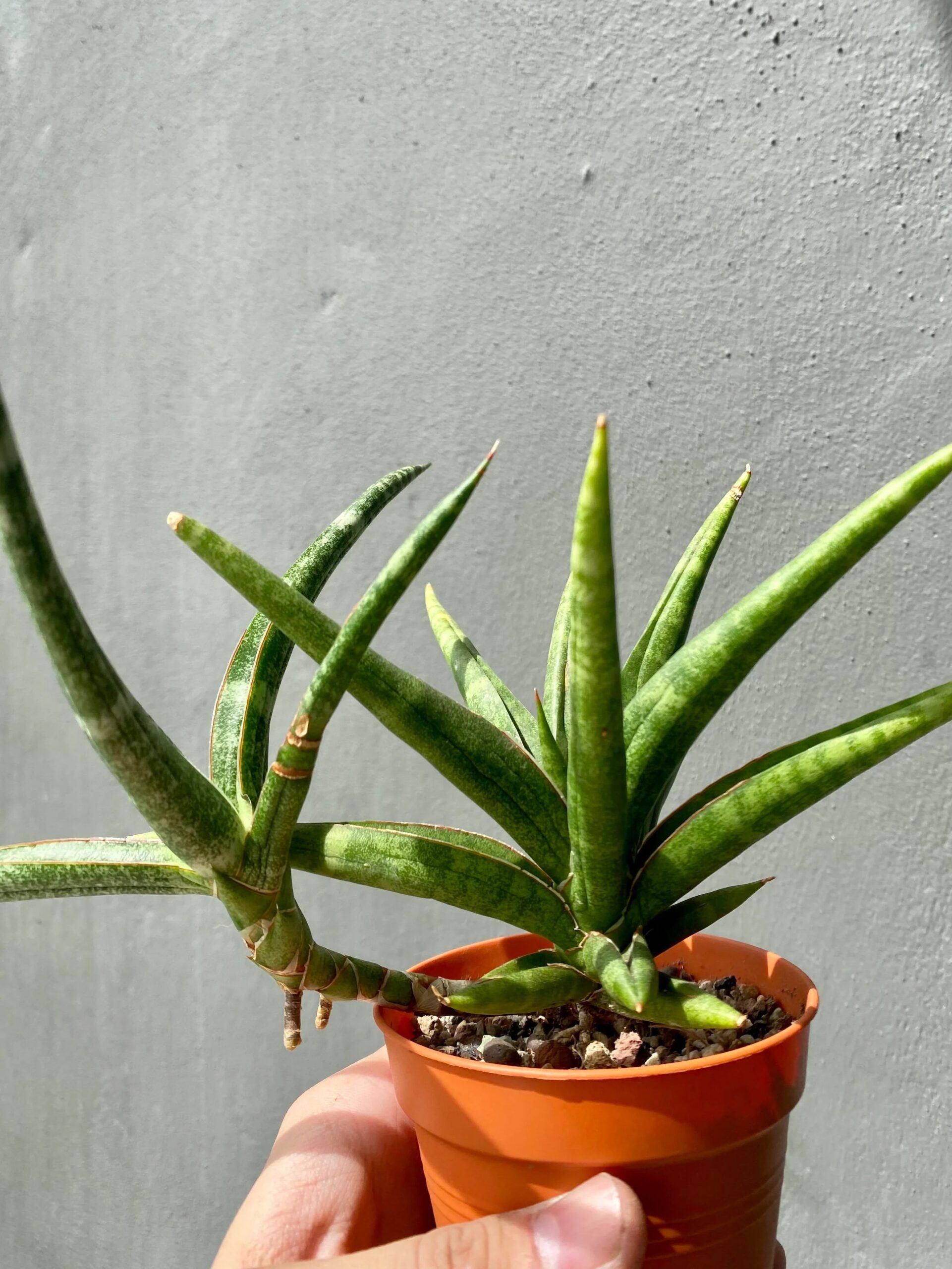
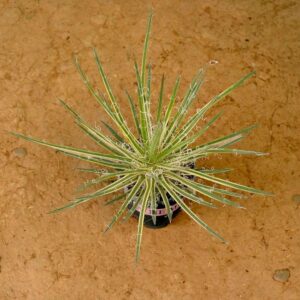
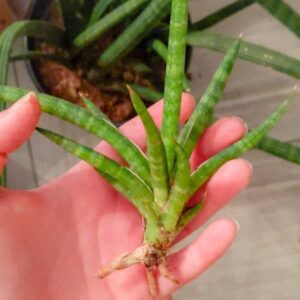
Foliage: The leaves are laterally compressed, slightly rough to the touch, and distinctly cone-shaped, tapering to a sharp, reddish-brown spine at the tip. They display an attractive pattern of light greenish-yellow overlaid with dark green cross-banding.
-
Form: The main plant grows as a small basal rosette, typically staying very compact at under 6 inches tall.
-
The Runners (Stolons): This is its defining feature. Rather than producing pups directly beneath the soil like S. trifasciata, Sansevieria Ballyi shoots out thick, stiff aerial runners. These stems extend outward and downward, developing new rosettes at their tips to create a striking, cascading effect over the rim of a pot.
Cultivation and Care
It is an aggressive, fast grower during the warm summer months but requires disciplined succulent care, especially during the monsoon season when ambient humidity is high:
-
Light: Sansevieria Ballyi thrives in bright, indirect sunlight to partial direct morning sun. Generous light keeps the rosettes tightly packed and the green banding crisp. If light is too low, the runners will stretch out excessively (etiolate), resulting in a weak, stringy appearance.
-
Watering: The “soak and dry” rule is absolute. Because the thick leaves store significant water reserves, the root system must be allowed to dry out 100% before the next watering to prevent rot.
-
Soil and Potting: A highly gritty, fast-draining cactus mix is essential. Shallow, wide pots (like terracotta pans) are ideal for tabletop display, giving the runners space to hit the soil and root, while hanging planters beautifully highlight its trailing nature.
Reviews
There are no reviews yet.