
Gymnocalycium Gibbosum
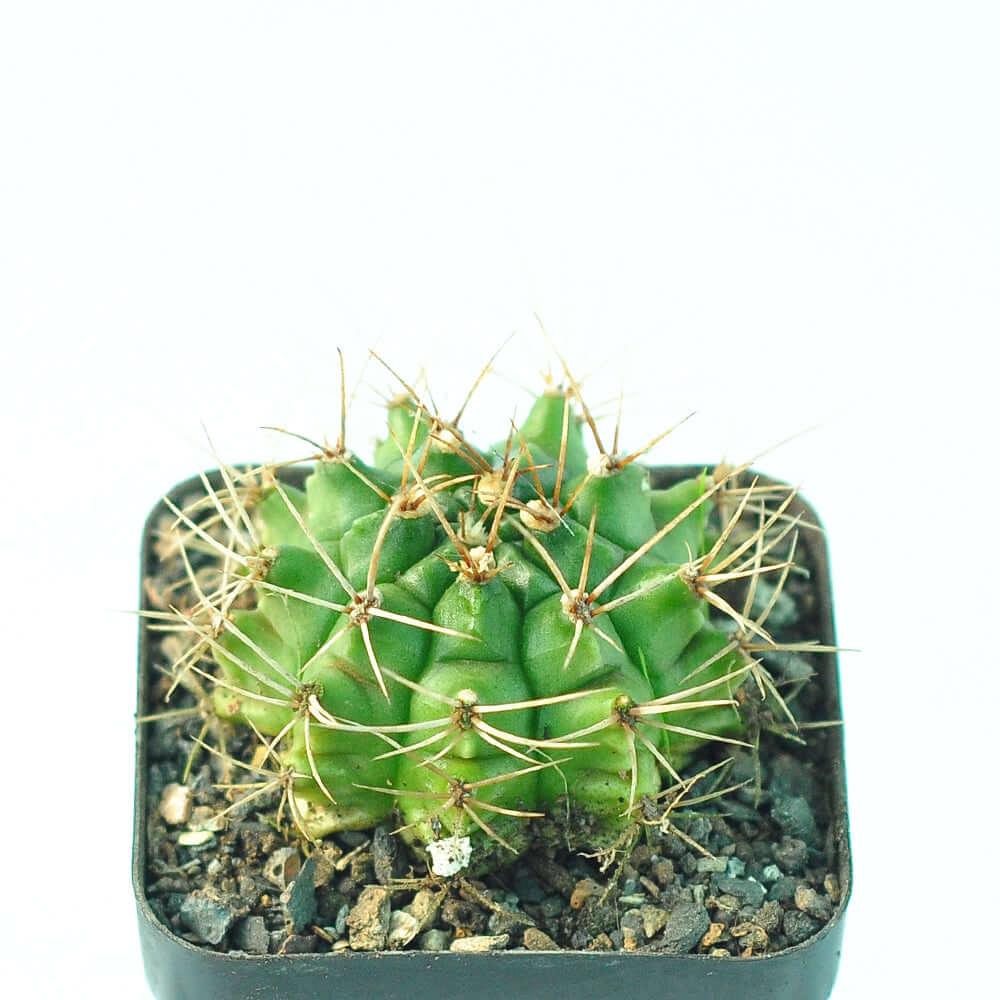
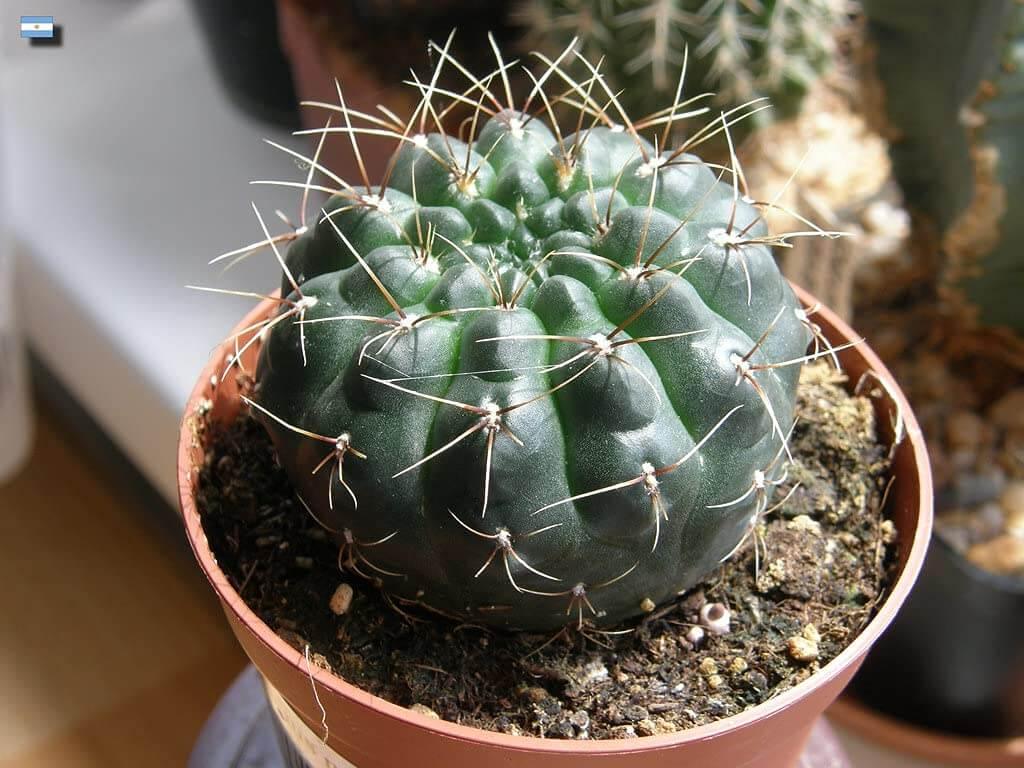
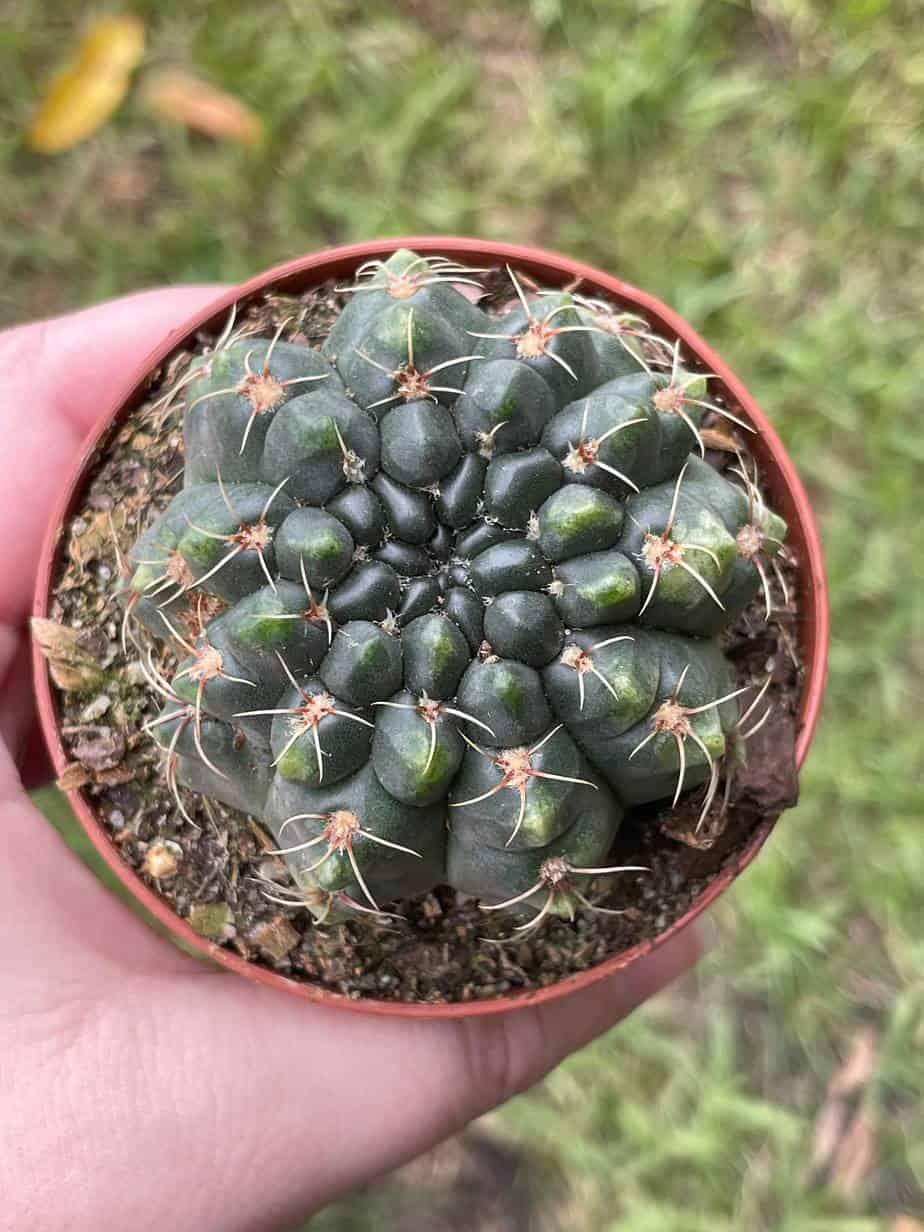
Gymnocalycium gibbosum is a hardy and attractive cactus native to Argentina, admired for its rounded body, pronounced ribs, and beautiful seasonal flowers. Known for its resilience and ease of cultivation, it is an excellent choice for both beginner growers and experienced cactus collectors.
Key Features: Gymnocalycium Gibbosum
- Growth Type: Solitary to slowly clustering cactus
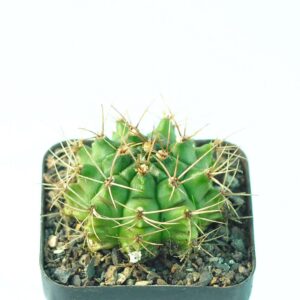
- Stem: Globular to short cylindrical, dark green to bluish-green in color
- Ribs: Broad, well-defined ribs with distinctive chin-like protrusions beneath each areole
- Spines: Strong, curved spines ranging from yellowish-brown to dark brown, becoming grey with age
- Flowers: Large, funnel-shaped flowers in shades of white to pale pink, blooming from late spring through summer
- Size: Typically grows 10–20 cm (4–8 inches) in diameter and up to 15 cm (6 inches) tall
Distinctive Characteristics
- Thick, ribbed body with a symmetrical appearance
- Attractive spine arrangement that adds texture and contrast
- Produces showy flowers that are often larger than the cactus body
- Long-lived and develops an impressive mature form over time
Growing Conditions
Light:
Thrives in bright light with a few hours of direct morning sun. Protect from intense afternoon sun during very hot summers.
Soil:
Use a fast-draining cactus mix, such as:
- 50% cactus soil
- 25% pumice or perlite
- 25% coarse sand or grit
Watering:
- Water thoroughly during the growing season (spring and summer)
- Allow the soil to dry completely before watering again
- Keep almost dry during winter dormancy
Temperature:
- Ideal range: 18–30°C
- Can tolerate brief cool periods if kept dry, but protect from frost
Flowering
Mature plants bloom during late spring and summer, producing elegant white to pale pink flowers with silky petals. Good sunlight, proper dormancy, and careful watering encourage regular flowering.
Care Tips
- Plant in a pot with excellent drainage, preferably clay for improved airflow
- Avoid overwatering, especially during winter
- Feed once a month during the growing season with a diluted cactus fertilizer
- Repot every 2–3 years or when the plant outgrows its container
Propagation
- Seeds: The most common method, producing healthy and vigorous plants
- Offsets: Some mature specimens may produce pups that can be separated and rooted
Uses
- Collector’s cactus specimen
- Rock and succulent gardens
- Container gardening
- Windowsills, balconies, and sunny indoor spaces
Reviews
There are no reviews yet.