
Gymnocalycium pflanzii
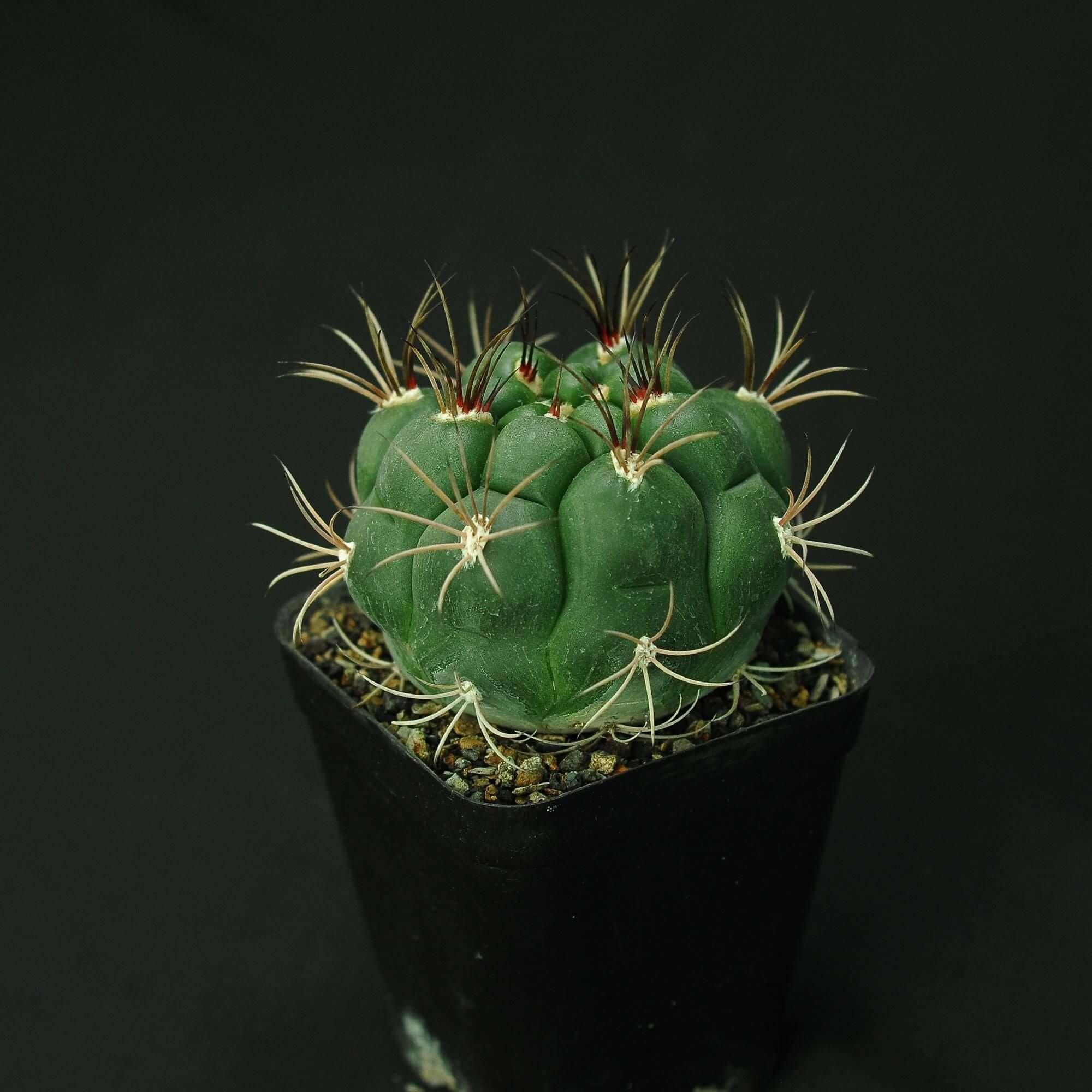
Gymnocalycium pflanzii is a robust and impressive species of “chin cactus,” renowned for its stout, curving spines and beautiful two-toned flowers. It is one of the larger and more resilient species within the genus.
Origin & Characteristics
Native to the dry forests and scrublands of Bolivia, northwestern Argentina, and Paraguay, this cactus is well-adapted to harsh, rocky environments.
-
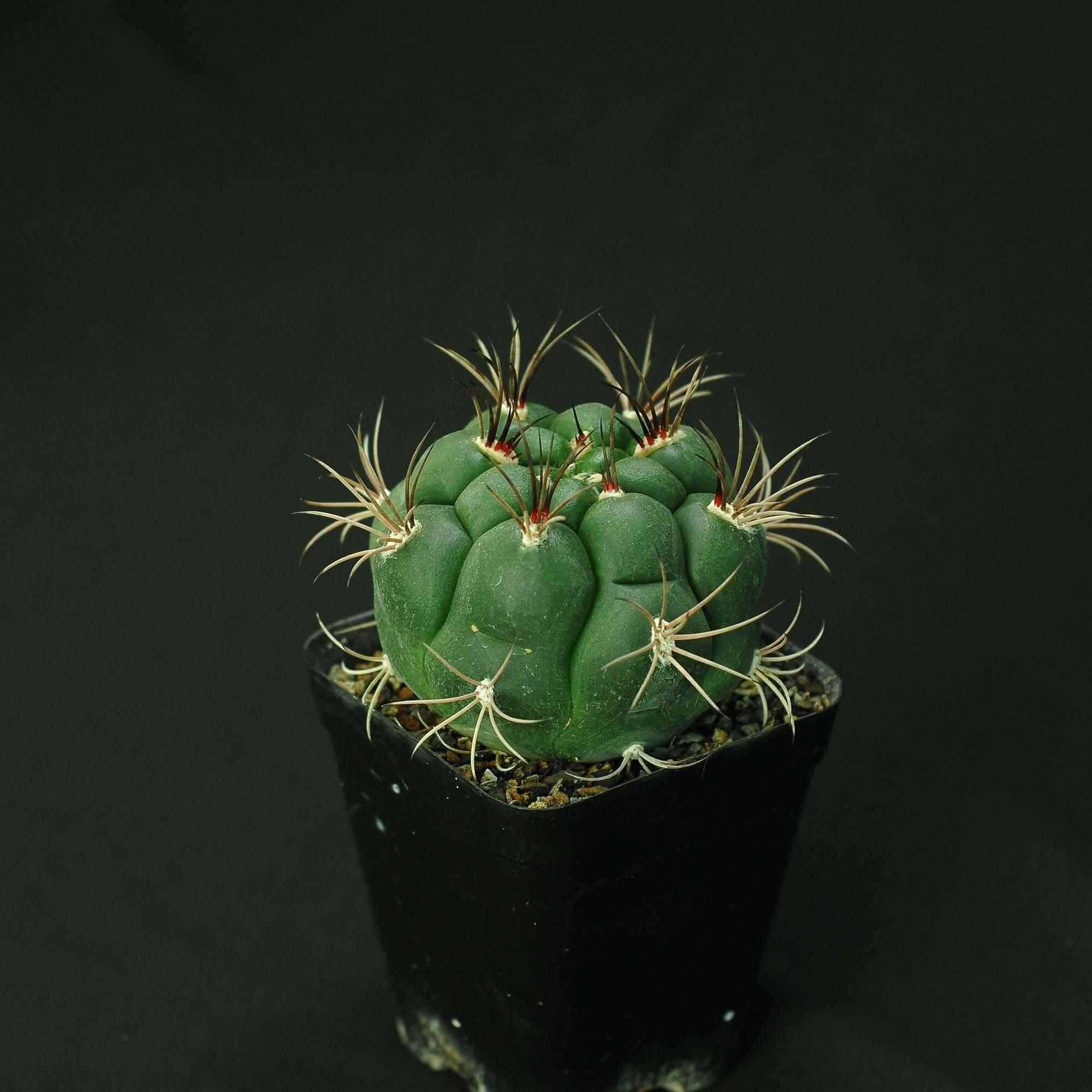
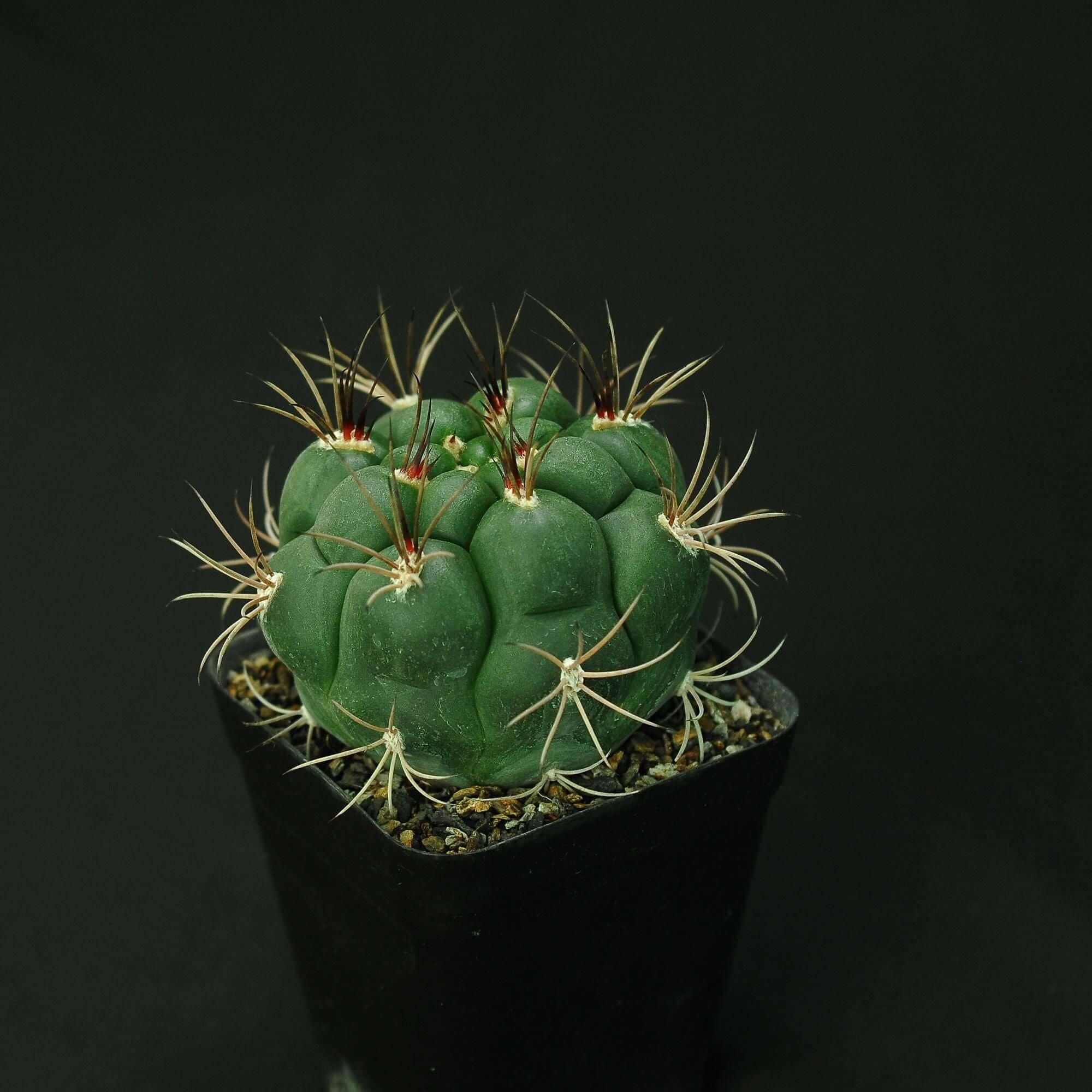
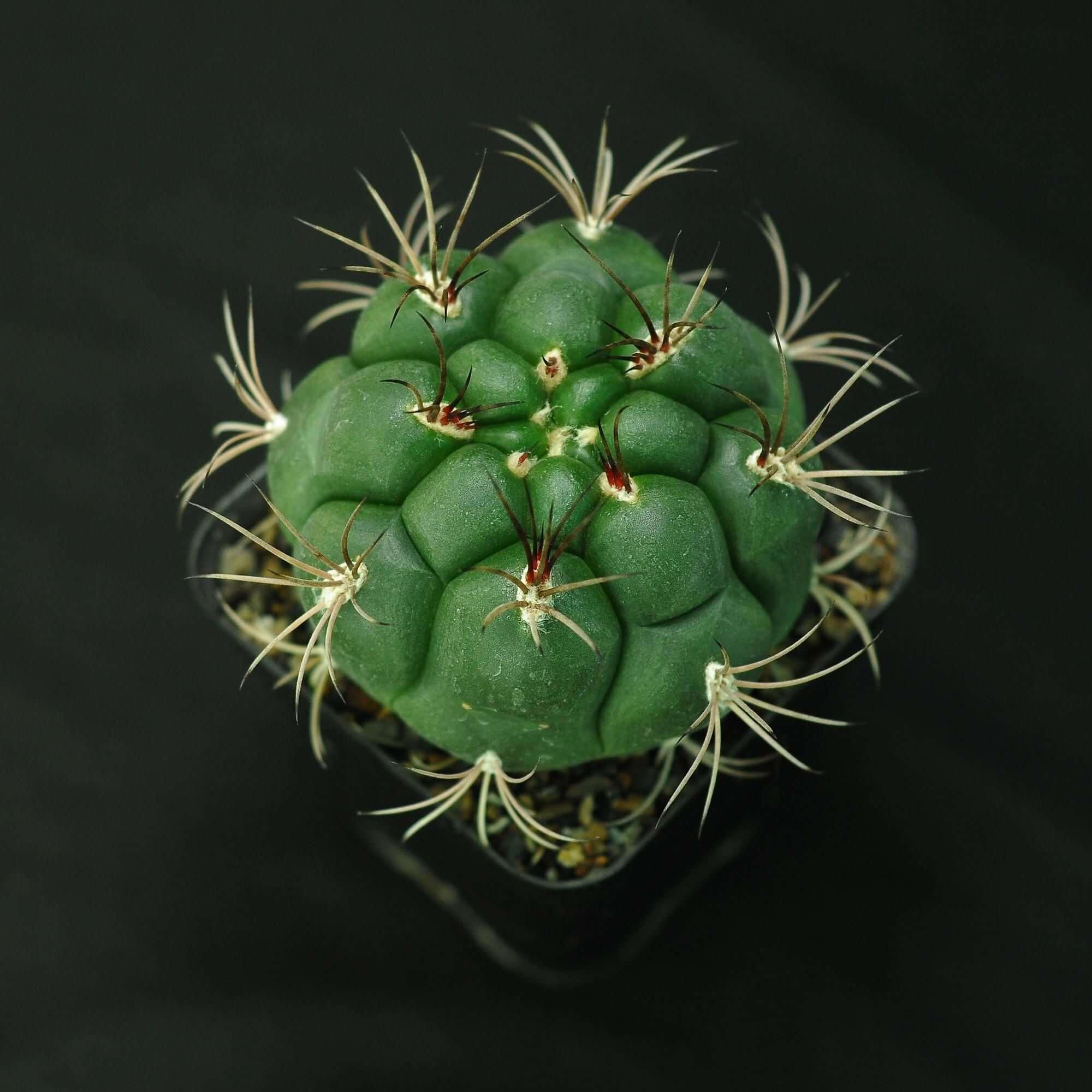
Body: It features a solitary, globular shape that ranges from dull olive-green to a purplish or reddish-green when stressed by strong light. The ribs are divided into prominent, rounded tubercles (the “chins”).
-
Spines: It defends itself with thick, stiff, and slightly curved spines that radiate outward. They often start out yellowish or brownish before fading to a pale gray as they age.
-
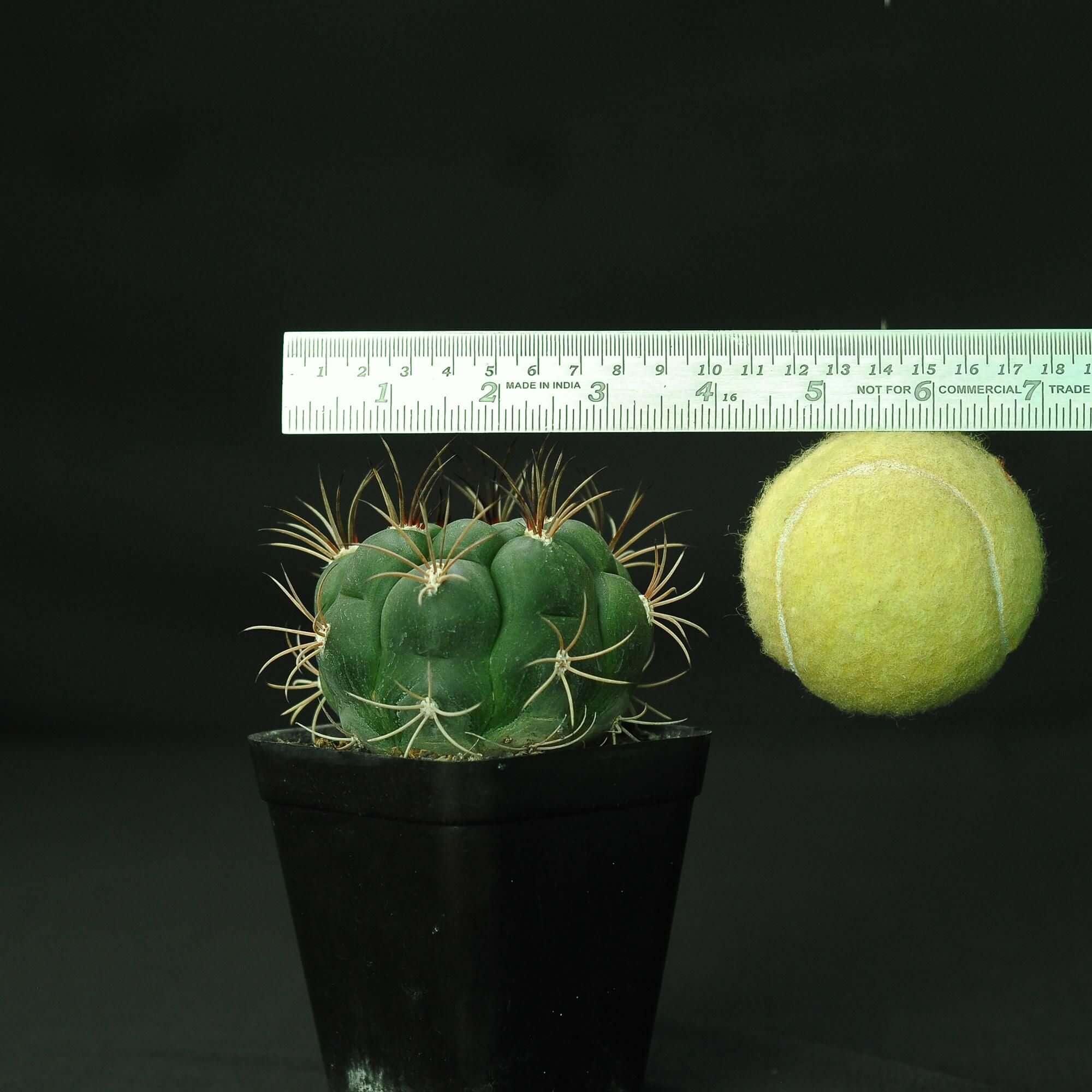
Size: Unlike many of its miniature cousins, Gymnocalycium pflanzii can grow quite large, eventually reaching 4 to 6 inches (10–15 cm) in diameter or more over time.
-
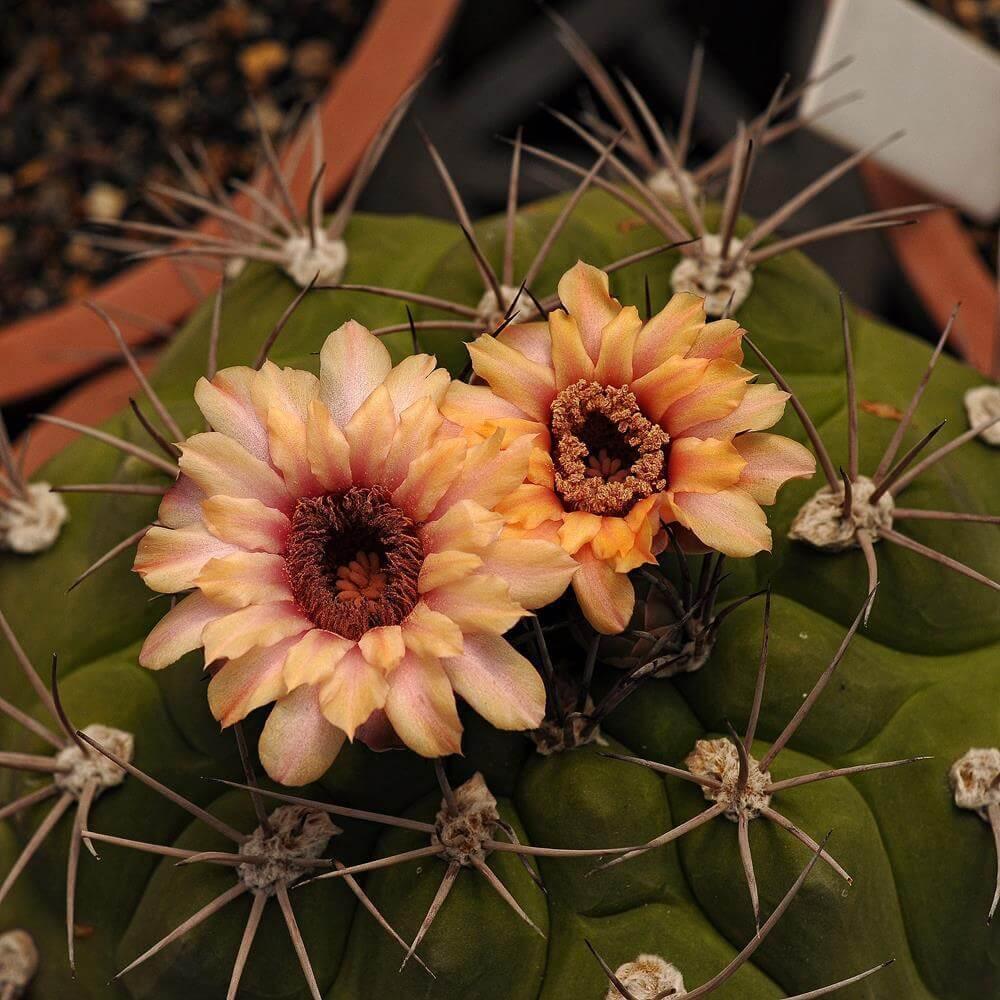
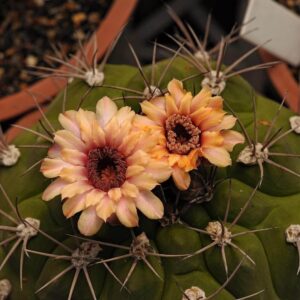
Flowers: In late spring and summer, it produces stunning funnel-shaped flowers that are usually pale pink, salmon, or white, featuring a striking, deep cherry-red or magenta center (throat).
Care Guide
Because it originates from slightly different habitats than the high-altitude G. prochazkianum, it is generally considered very hardy and slightly more forgiving for growers.
| Requirement | Details |
| Light | Gymnocalycium pflanzii Enjoys bright, filtered sunlight. It can handle a bit more direct morning sun than many other Gymnocalyciums, which will encourage its body to take on beautiful purplish hues, but protect it from searing afternoon heat. |
| Water | Follow the standard “soak and dry” method during Spring and Summer. Water deeply, then let the soil dry out completely. Halt watering almost entirely during Winter to prevent rot. |
| Soil | Requires a fast-draining, mineral-rich cactus mix. A blend of regular cactus potting soil amended with roughly 50-60% pumice, perlite, or coarse gravel works perfectly. |
| Temperature | Thrives in warm weather. While it can survive brief temperature dips near freezing if the soil is bone-dry, it is safest to bring it indoors or protect it when temperatures drop below 40°F (5°C). |
Reviews
There are no reviews yet.