
Sansevieria Francisii
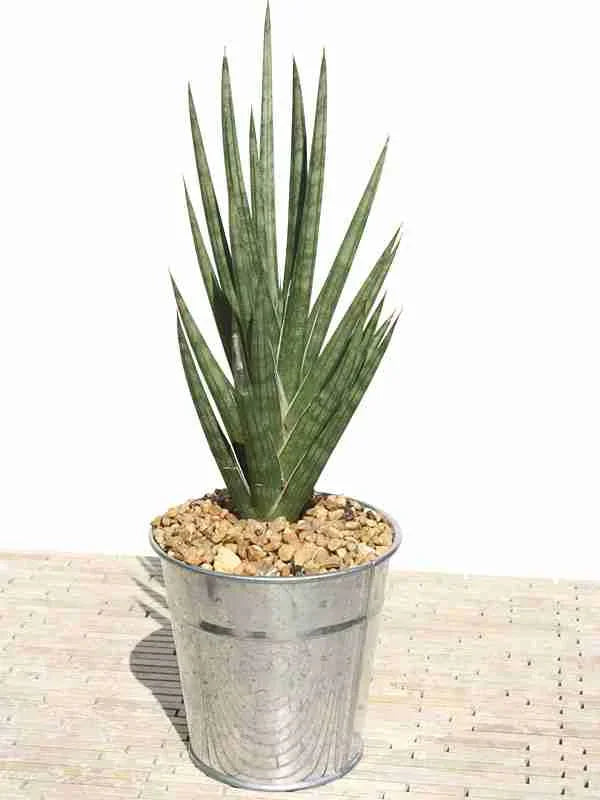
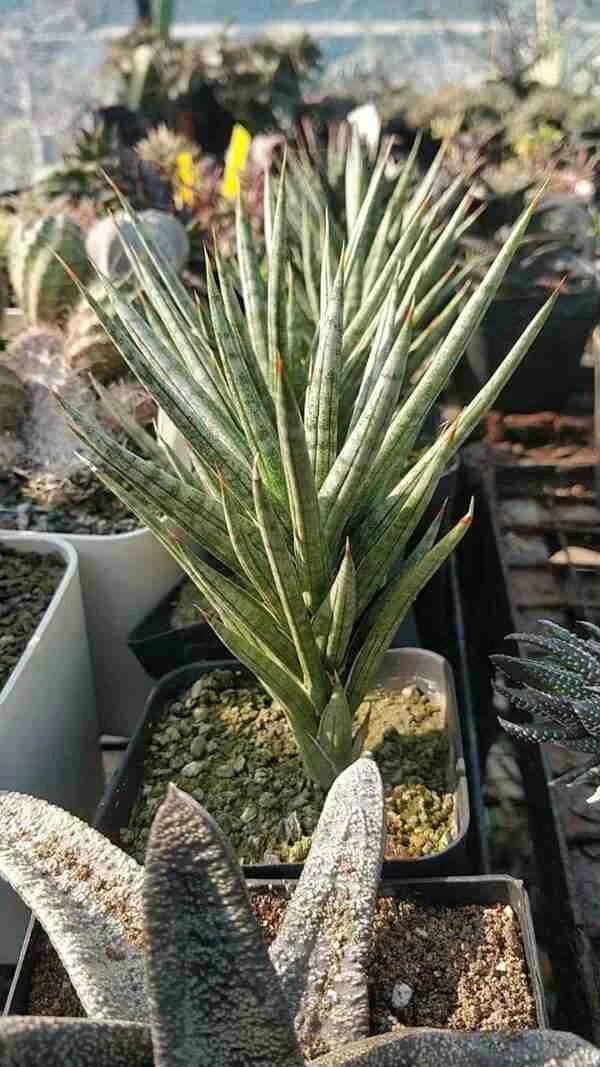
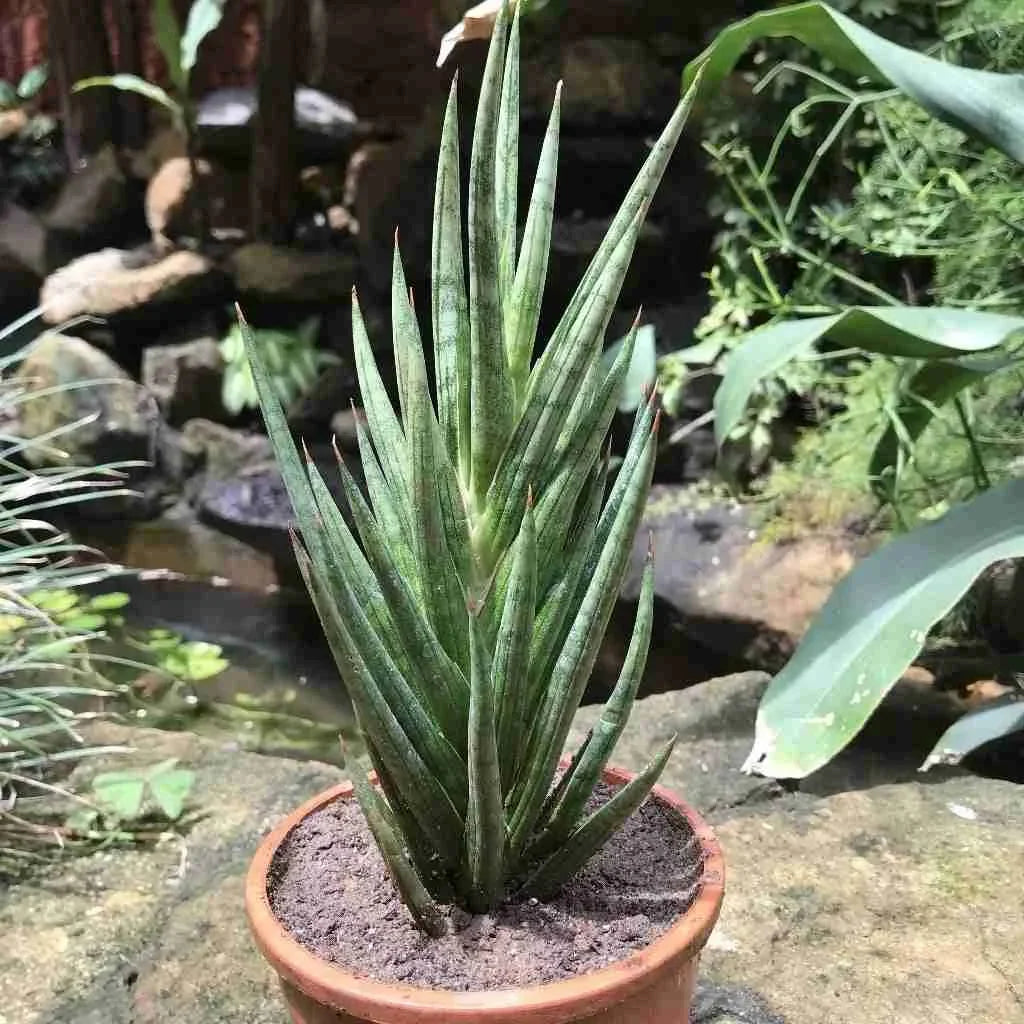
Sansevieria francisii is a rare and highly sought-after snake plant native to Kenya, known for its striking, architectural growth pattern. Given your focus on succulents at Seedlings India, it’s a fantastic collector’s variety to stock for customers looking for something more sculptural than the traditional flat-leaved snake plants.
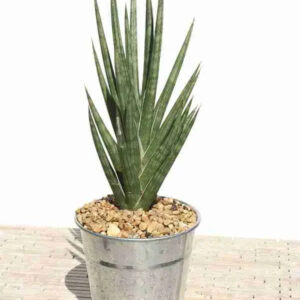
Unlike standard snake plants, Sansevieria Francisii grows in a dense, stacked spiral. Its slender, cylindrical leaves are packed tightly in rows of five, reaching upward like spiked towers.
Growth & Habit
This is a compact variety. Indoors, it typically reaches about 6 to 10 inches in height, with individual leaves measuring 3 to 7 inches long.
One of its most fascinating traits is its “walking” habit. As the main stem grows taller and heavier, it will naturally begin to bend under its own weight. Once it leans, the plant sends out aerial runners or stolons (often called “walking legs”) to root into nearby soil, making it a brilliant candidate for propagation by division.
Cultivation and Care
Like most plants in your succulent lineup, it thrives on neglect but does have a few specific preferences to keep its stacked form looking its best:
-
Light: It prefers bright, indirect sunlight. While it will tolerate low light like other Sansevierias, keeping it in a dimly lit corner will slow its growth and cause the tightly packed leaves to stretch and become leggy.
-
Watering: Allow the soil to dry out 100% between waterings. Indoors, this usually means watering only once every two to three weeks during the growing season, and even less frequently during the winter dormancy period.
-
Soil: A highly porous, fast-draining cactus and succulent mix is mandatory. Adding extra pumice or perlite will help prevent root rot, which is the most common issue with this variety.
-
Pots: Shallow, wide pots (like terracotta terracotta pans) work well to accommodate its creeping stolons as it matures.
Sansevieria francisii is native to the rocky, arid regions of Kenya. Its natural distribution is highly restricted, found primarily in the Tana River district within Kenya’s Coast Province.
Discovery and Naming
The plant was collected in 1982 near the coastal town of Garsen, Kenya, by Francis (Frank) K. Horwood, a prominent British succulent propagator and collector. The species was distributed under his collection number (FKH 432) and was later officially named Sansevieria francisii in his honor.
Adaptations to its Habitat
The extreme environment of its origin directly explains its unique, architectural growth habits:
-
Stolons for Survival: The creeping stems (stolons) that make the plant “walk” evolved as a biological reservoir, storing vital water and nutrients to help the plant endure extended periods of drought.
-
Terrain Navigation: Because it grows on rocky slopes and dry, sandy soils, these heavy prostrate runners allow the plant to spread across inhospitable terrain and establish roots in more favorable, nutrient-rich patches of soil.
Reviews
There are no reviews yet.