
Sansevieria Hallii
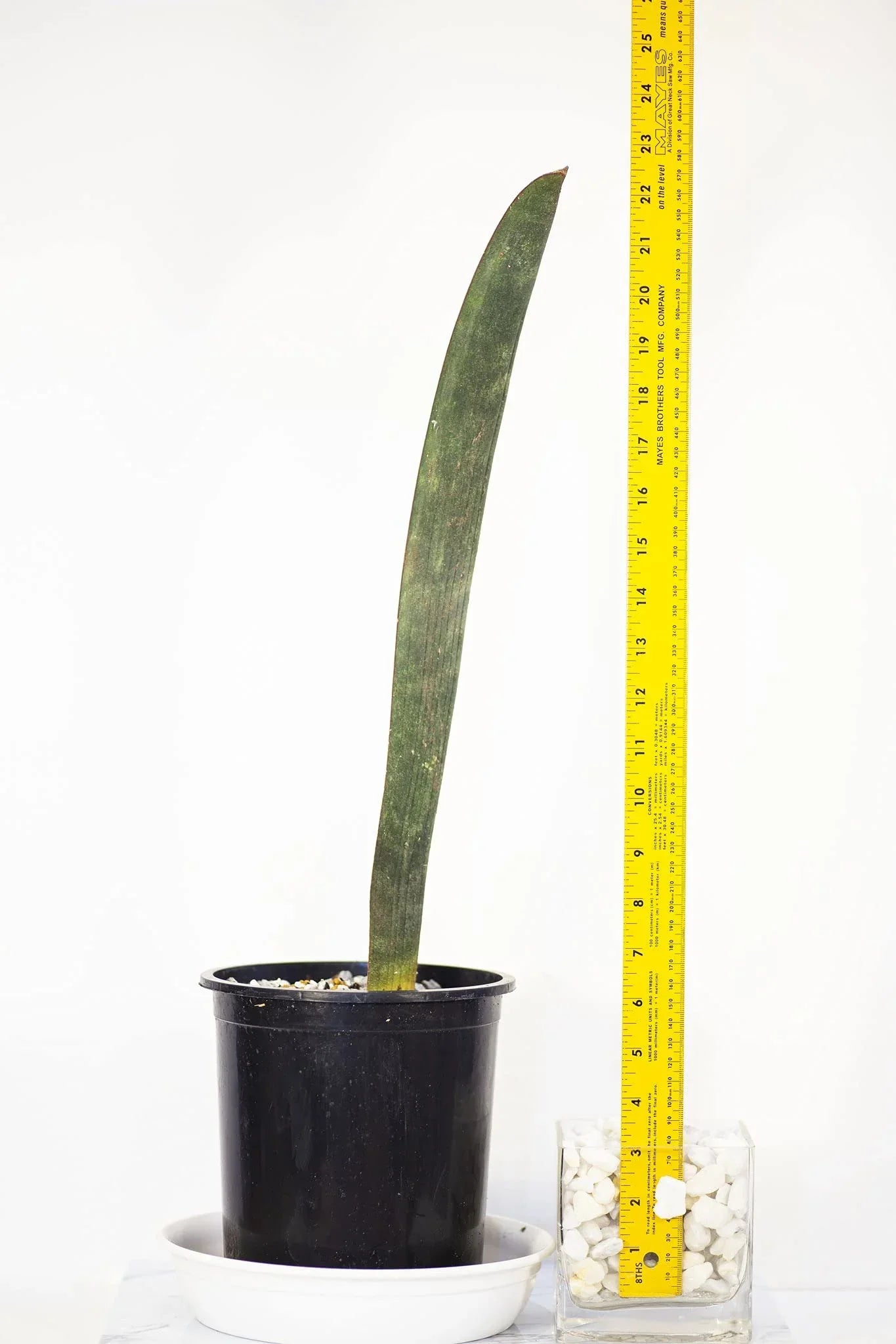
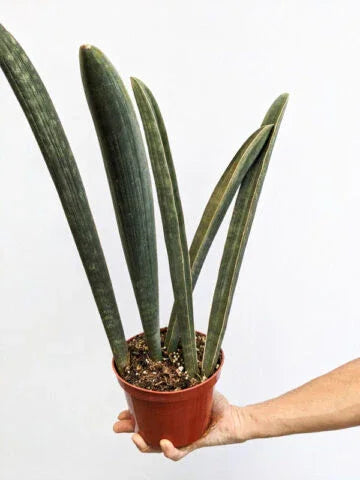
Sansevieria hallii (syn. Dracaena hallii), widely known as the Baseball Bat Sansevieria, is a slow-growing, highly sought-after species endemic to Southern Africa. It is famous among succulent collectors for producing thick, semi-cylindrical leaves that closely resemble wooden baseball bats.
Key Characteristics
-
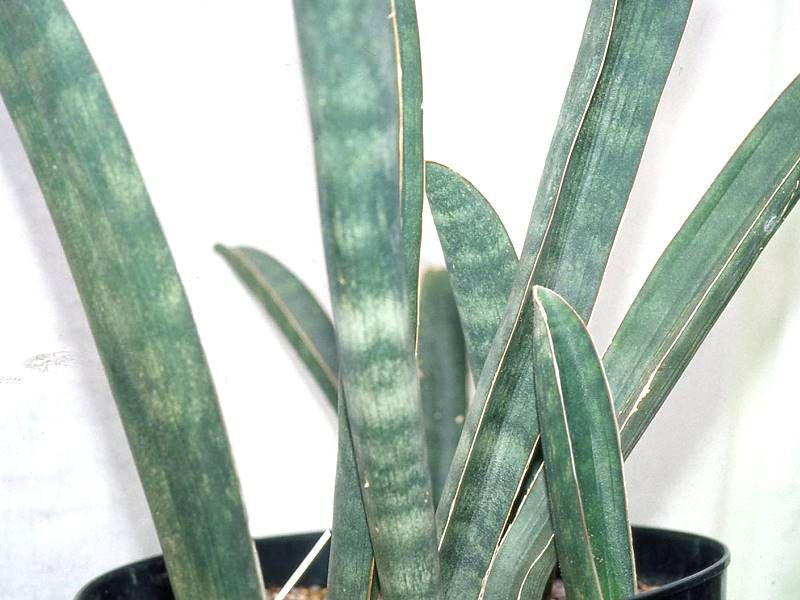
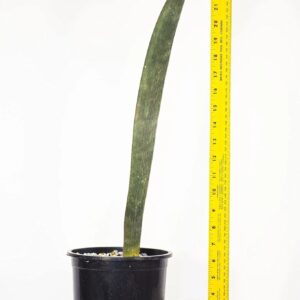
Bat-Like Foliage: Leaves grow thick, rigid, and heavy, featuring a deep channel (trough) along the upper side while remaining rounded underneath. Individual leaves can grow 1 to 2 feet (30–60 cm) long and over 2 inches thick.
-
Surface Texture & Margins: The leaves are dark blue-green to grayish-green with fine longitudinal ridges, light mottling, and distinctive dry, papery, reddish-brown to white margins.
-
Distichous to Spiral Growth: Young plants arrange leaves in a flat, two-ranked (distichous) fan shape before maturing into a more spiraled rosette.
-
Notable Cultivars: Includes popular selections like ‘Pink Bat’ (featuring reddish-pink blushes and edges) and ‘Baseball Bat’ (selected for exceptionally thick, rounded leaves).
Care & Cultivation Guide
| Care Aspect | Requirement |
| Light | Bright, indirect sun to partial direct sunlight. High light maintains leaf thickness, tight growth, and rich color contrast. |
| Substrate | Highly porous, coarse mineral mix (70% inorganic pumice, lava rock, perlite, and coarse sand + 30% organic media). |
| Watering | Extremely Low. Allow the potting medium to dry out 100% between waterings. Water very sparingly during winter dormancy to protect the thick rhizomes from rot. |
| Temperature | Prefers warm conditions between 16°C and 30°C (60°F–86°F). Protect strictly from temperatures below 10°C (50°F). |
Origin & Botanical History
-
Native Habitat: Endemic to Zimbabwe, Mozambique, and South Africa (Limpopo and Mpumalanga regions), where it grows in sandy soils, dry bushveld, and scrub woodlands under the shade of thorn trees.
-
Etymology: Named in honor of Harry Hall (1906–1986), a prominent British-born horticulturist and succulent collector who served as curator of the succulent collection at Kirstenbosch National Botanical Garden in South Africa.
Propagation Note: Best propagated by rhizome division (pups) to maintain the structural integrity and speed of growth. Leaf cuttings can take up to a year to root and form a new crown.
Reviews
There are no reviews yet.