
Sansevieria Pearsonii
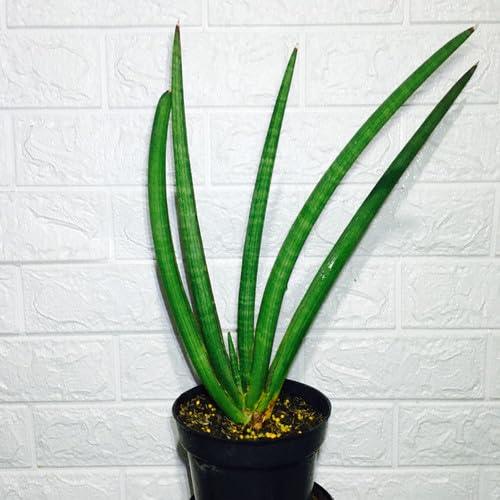
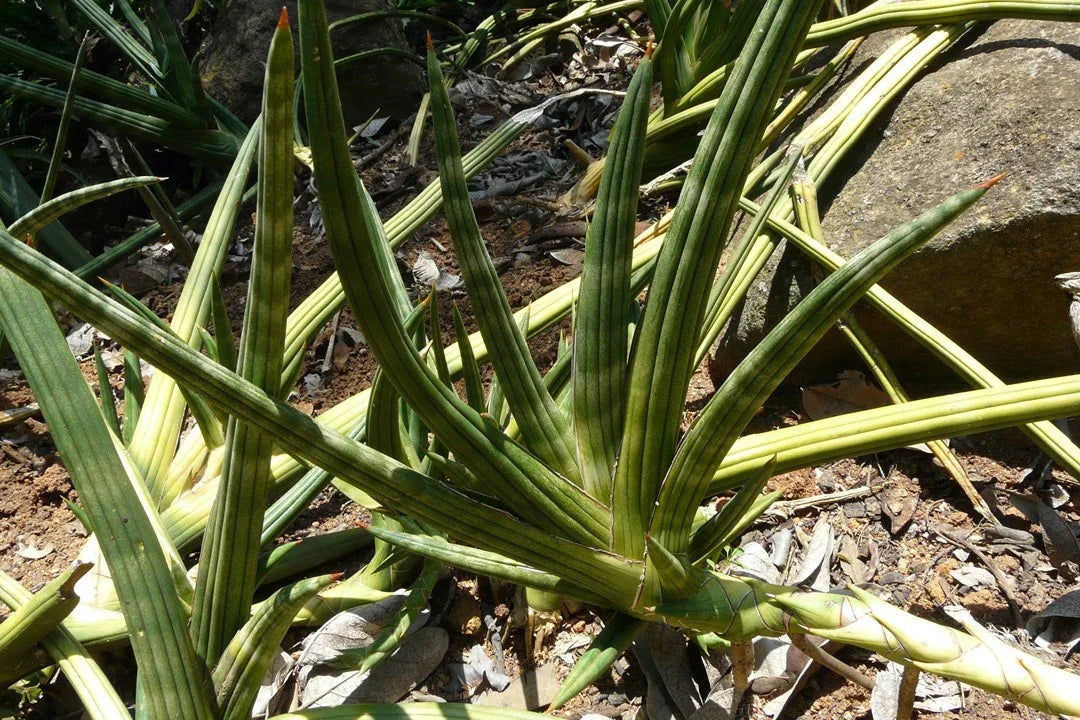
Sansevieria pearsonii (syn. Dracaena pearsonii), commonly known as Rhino Grass, Gemsbok Horns, or Pearson’s Snake Plant, is a striking, colony-forming succulent species native to the arid regions of Southern Africa (including South Africa, Namibia, Zimbabwe, and Mozambique). It belongs to the cylindrical leaf complex alongside species like Sansevieria stuckyi and S. cylindrica.
Key Characteristics of Sansevieria pearsonii
-
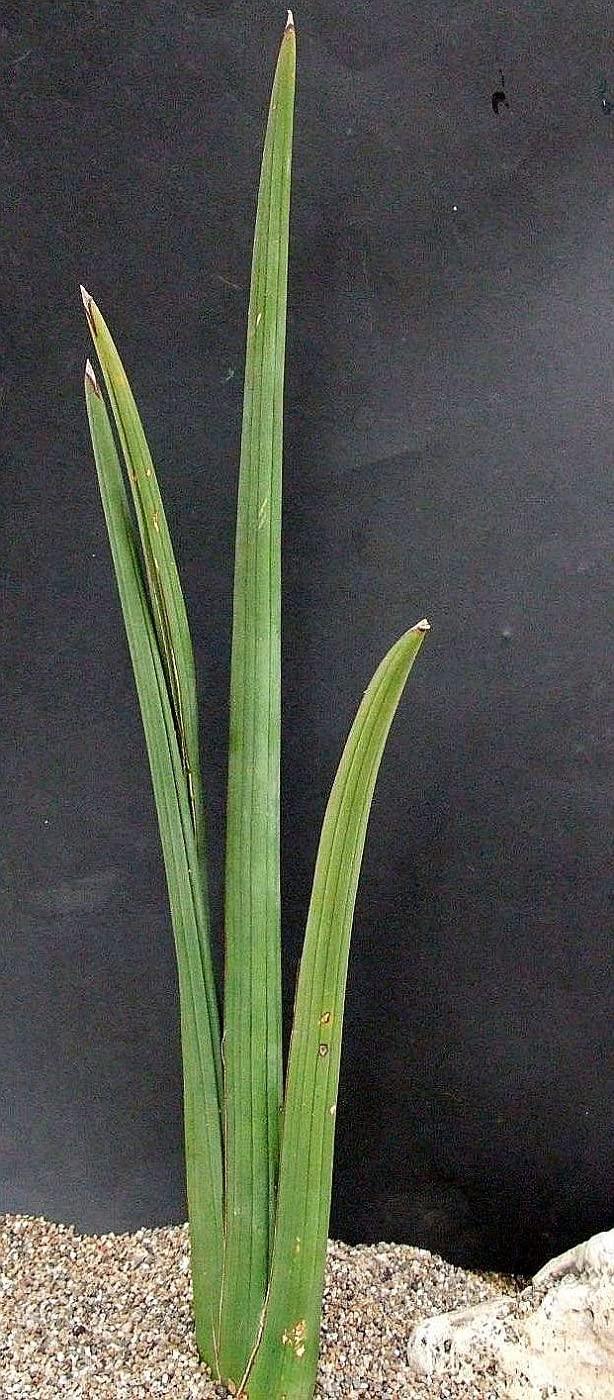
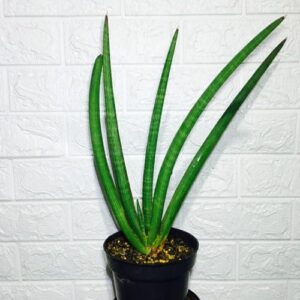
Fan-Shaped Cylindrical Foliage: Features stiff, thick, erect cylindrical leaves that grow in a distinct upright fan pattern. Leaves can reach up to 2–3 feet (60–90 cm) tall and end in a sharp, hard point.
-
Coloration & Texture: The leaves are grey-green with longitudinal ribbing, subtle dark cross-banding, and reddish-brown tinges along the margins and tips.
-
Night-Blooming Flowers: Produces a tall central spike of fragrant, pinkish-brown to pale cream flowers that open exclusively at night, followed by round orange berries.
-
Colony-Forming Rhizomes: Spreads via strong underground rhizomatous roots, forming tight, dense clusters over time.
Care & Cultivation Overview
| Parameter | Care Requirement |
| Light | Prefers bright indirect light to partial direct sun. Stronger light maintains deep leaf ribbing and tight upright growth. |
| Substrate | Ultra-porous, gritty sandy mix (60–70% inorganic media like coarse sand, pumice, and perlite). |
| Watering | Low. Allow soil to dry out completely between waterings. Water sparingly during winter dormancy to prevent root rot. |
| Temperature | Warm-growing; thrives between 16°C and 29°C (60°F–85°F). Keep strictly protected from frost below 10°C (50°F). |
Sansevieria pearsonii is a wild, naturally occurring species native to the arid and semi-arid regions of Southern and East-Central Africa.
Geographic Distribution
-
Primary Range: Widely distributed across South Africa (Limpopo, Mpumalanga, KwaZulu-Natal), Namibia, Eswatini, Botswana, Zimbabwe, Mozambique, and Angola.
-
Extended Range: Extends north into tropical East Africa up to Southern Tanzania.
Natural Habitat & Ecology
-
Environment: Thrives in dry bushveld, open savanna woodlands, scrub forests, rocky outcrops, and sandy riverbanks.
-
Growth Setting: Often grows in semi-shade beneath thorn trees or in exposed sandy soils, frequently forming dense, colony-like thickets alongside other native succulents like Euphorbia and Aloe species.
-
Adaptation: Highly adapted to summer-rainfall climates followed by severe, prolonged dry winter droughts.
Botanical History
-
Botanical Naming: Formally described in 1911 by English botanist Nicholas Edward Brown in the Bulletin of Miscellaneous Information, Kew.
-
Etymology: Named in honor of Professor Henry Harold Welch Pearson (1870–1916), a prominent British botanist who moved to South Africa and founded the Kirstenbosch National Botanical Garden in Cape Town.
Reviews
There are no reviews yet.