
Mexican Cycad Dioon Edule
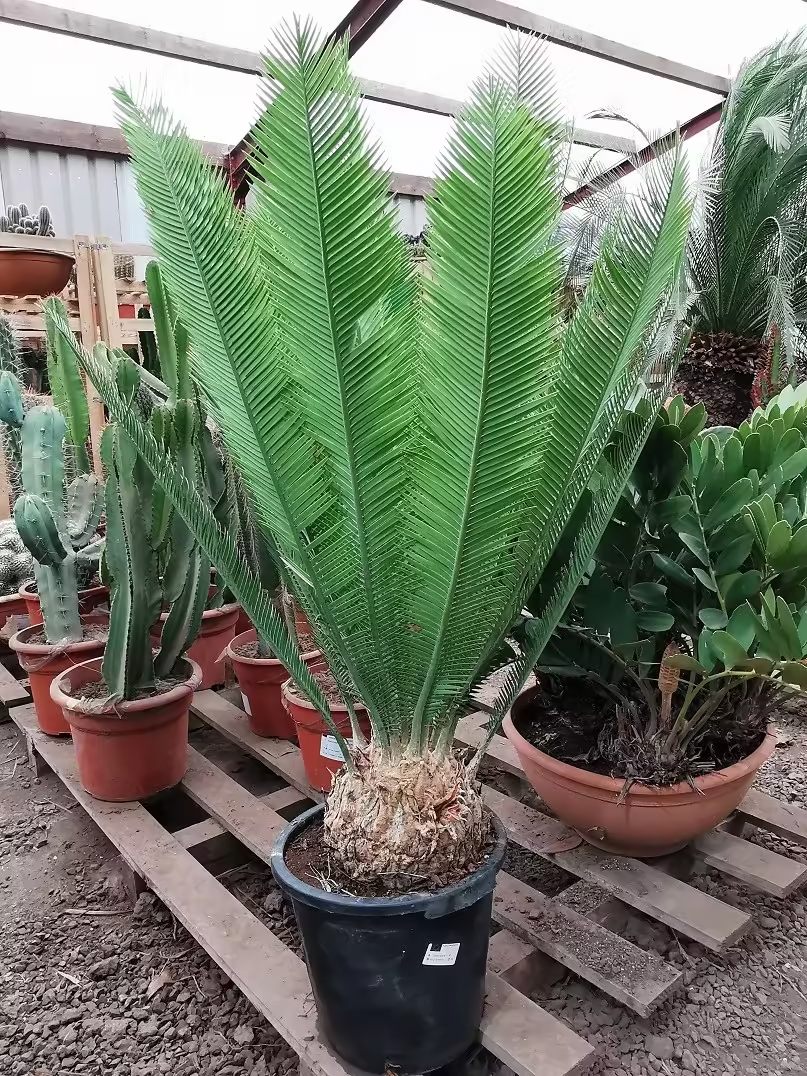
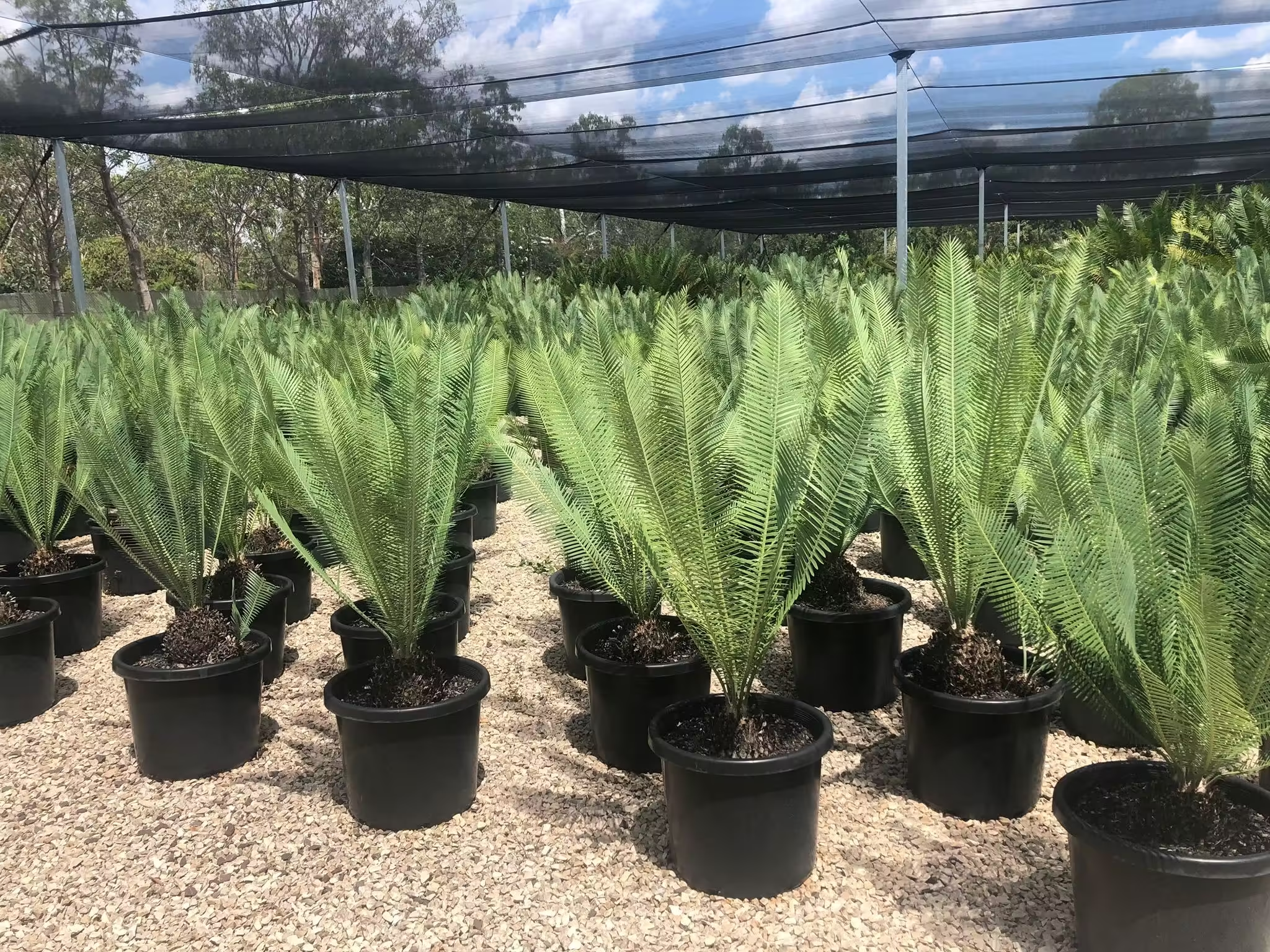
Dioon edule, commonly known as the Chestnut Dioon or Palma de la Virgen, is an ancient, highly architectural cycad endemic to Mexico. Recognized for its stiff, feather-like fronds and woody trunk, it is one of the tough, sun-tolerant species in the cycad family.
Key Characteristics
-
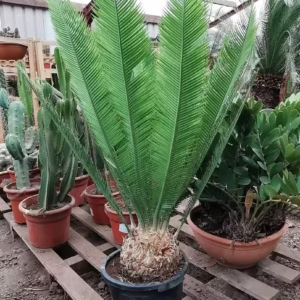
Crown & Foliage: Features a symmetrical crown of stiff, light blue-green to bright green pinnate leaves (3 to 6 feet long). The leaflets are narrow, flat, and sharp-tipped with no spines along the leaf stalk (petiole).
-
Trunk & Growth Habit: Exceptionally slow-growing, forming a thick, woolly trunk that can eventually reach 6 to 10 feet in cultivation over several decades.
-
Reproductive Cones: As a dioecious gymnosperm, individual plants are either male or female. Female plants produce large, egg-shaped, woolly brown cones that house starch-rich seeds.
Care & Cultivation Overview
| Care Aspect | Requirement |
| Light | Full sun to bright, light shade. Handles intense direct sunlight much better than most cycads. |
| Substrate | Requires extremely fast-draining, gritty mineral soil (50–60% inorganic pumice, coarse sand, or gravel). Highly prone to rot in stagnant moisture. |
| Watering | Drought-tolerant. Allow the soil mix to dry out almost completely between waterings. Water very sparingly during winter dormancy. |
| Hardiness | Heat and cold resilient compared to tropical cycads. Tolerates mild brief frosts down to -3°C to -5°C (23°F–26°F) once established. |
Origin & Botanical Context
-
Native Habitat: Endemic to eastern Mexico (primarily Veracruz, Tamaulipas, and San Luis Potosí), growing on dry coastal limestone cliffs, rocky transition forests, and arid oak scrublands.
-
Etymology & History: The species name edule means “edible,” referring to how indigenous populations historically processed the toxic seeds into starch/flour after extensive boiling and leaching to remove cycasin toxins.
Reviews
There are no reviews yet.