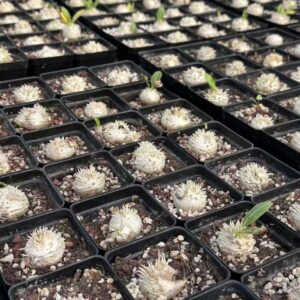
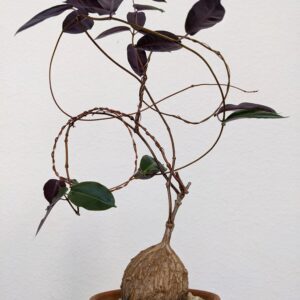
Petopentia natalensis (formerly classified as Focalivia or Ceropegia natalensis) is an extraordinary, highly sought-after caudiciform—a plant that forms a fat, swollen base or trunk. For a specialty catalog like Seedlings India, this is a top-tier collector’s item. It bridges the gap between succulent enthusiasts and bonsai lovers, commanding a premium price point for its unique architectural form.
Origin and Growth Habit
Native to the KwaZulu-Natal province of South Africa, it naturally grows in rocky gorges and sandstone cliffs.
-
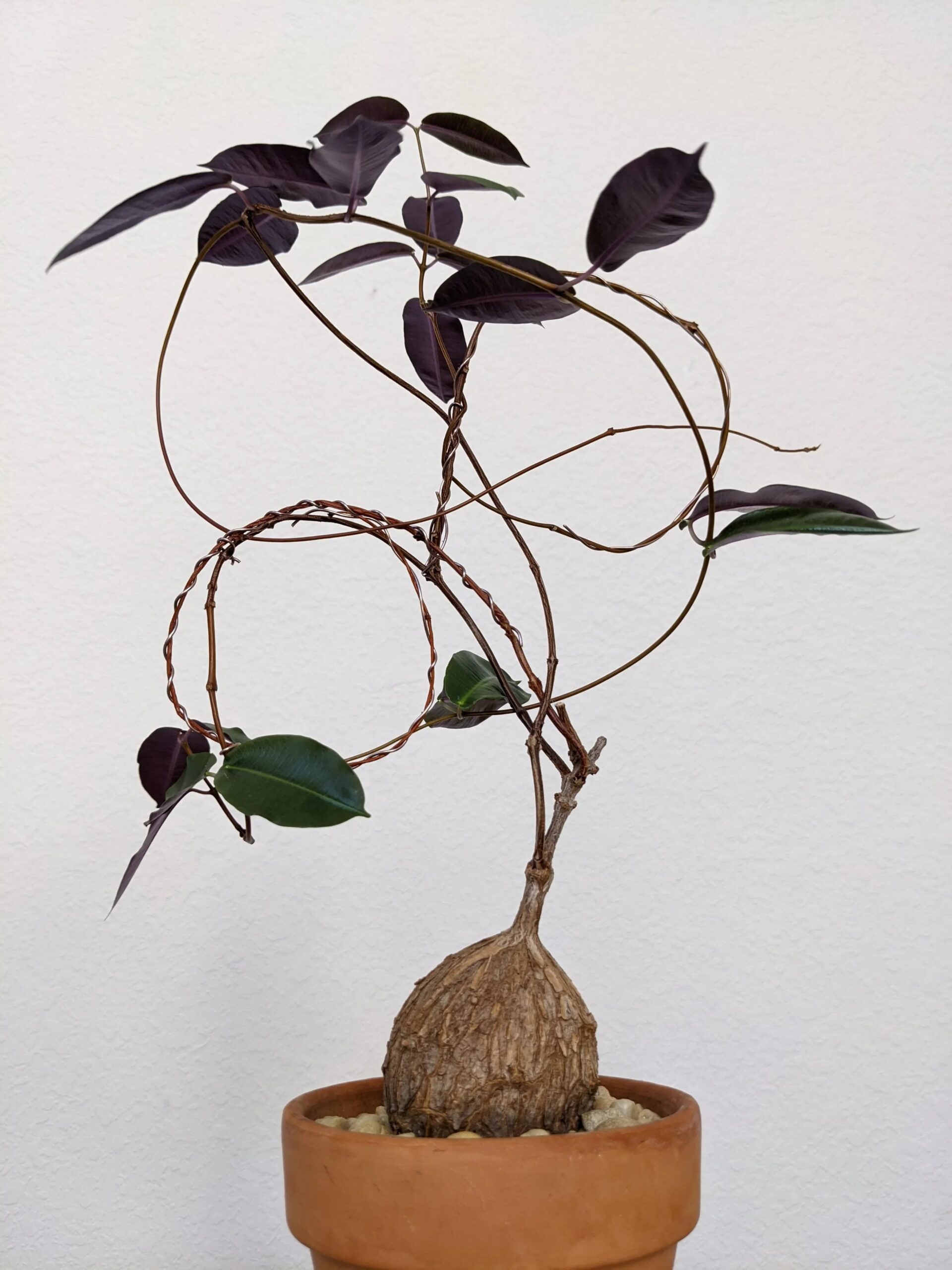
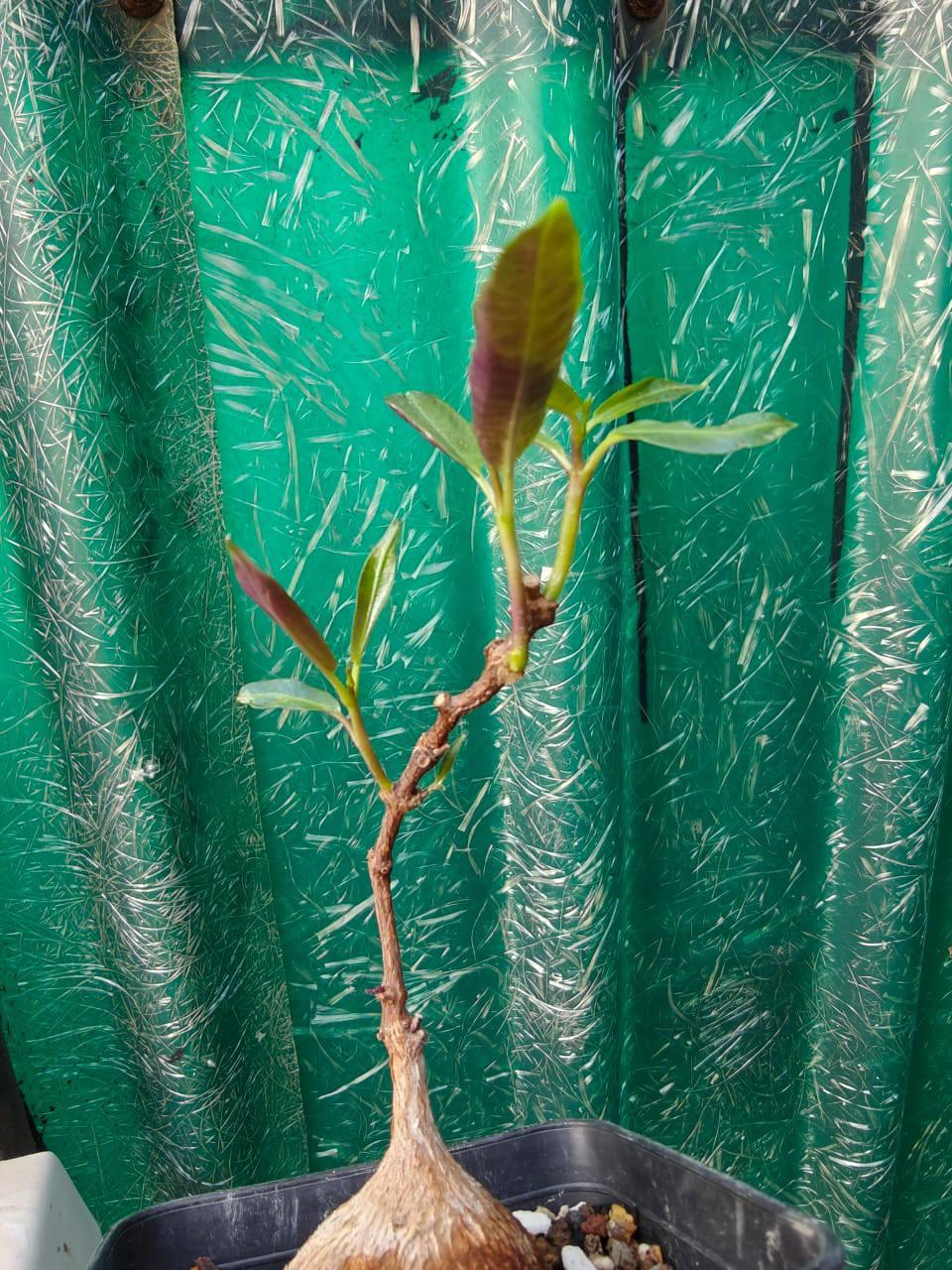
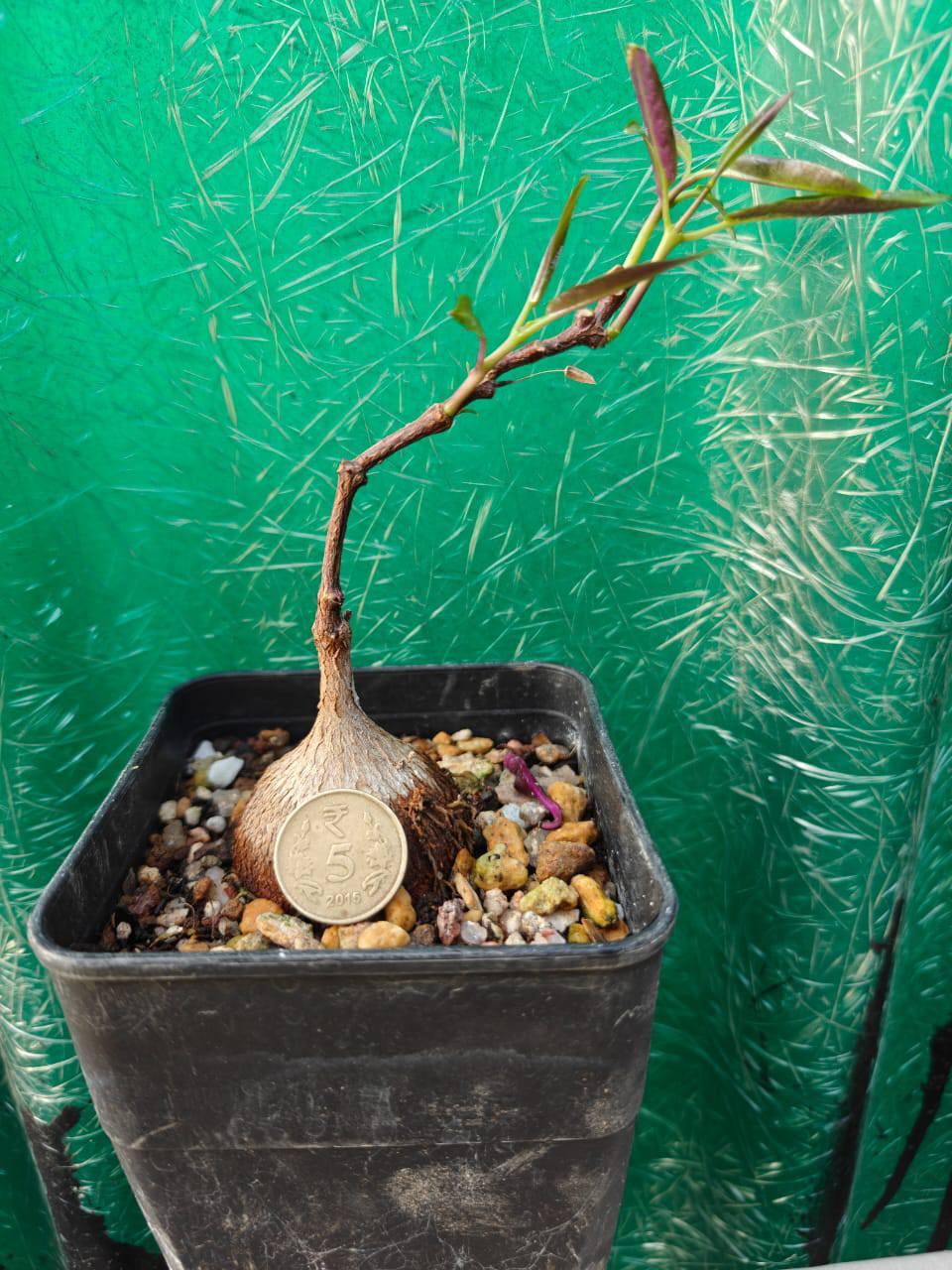
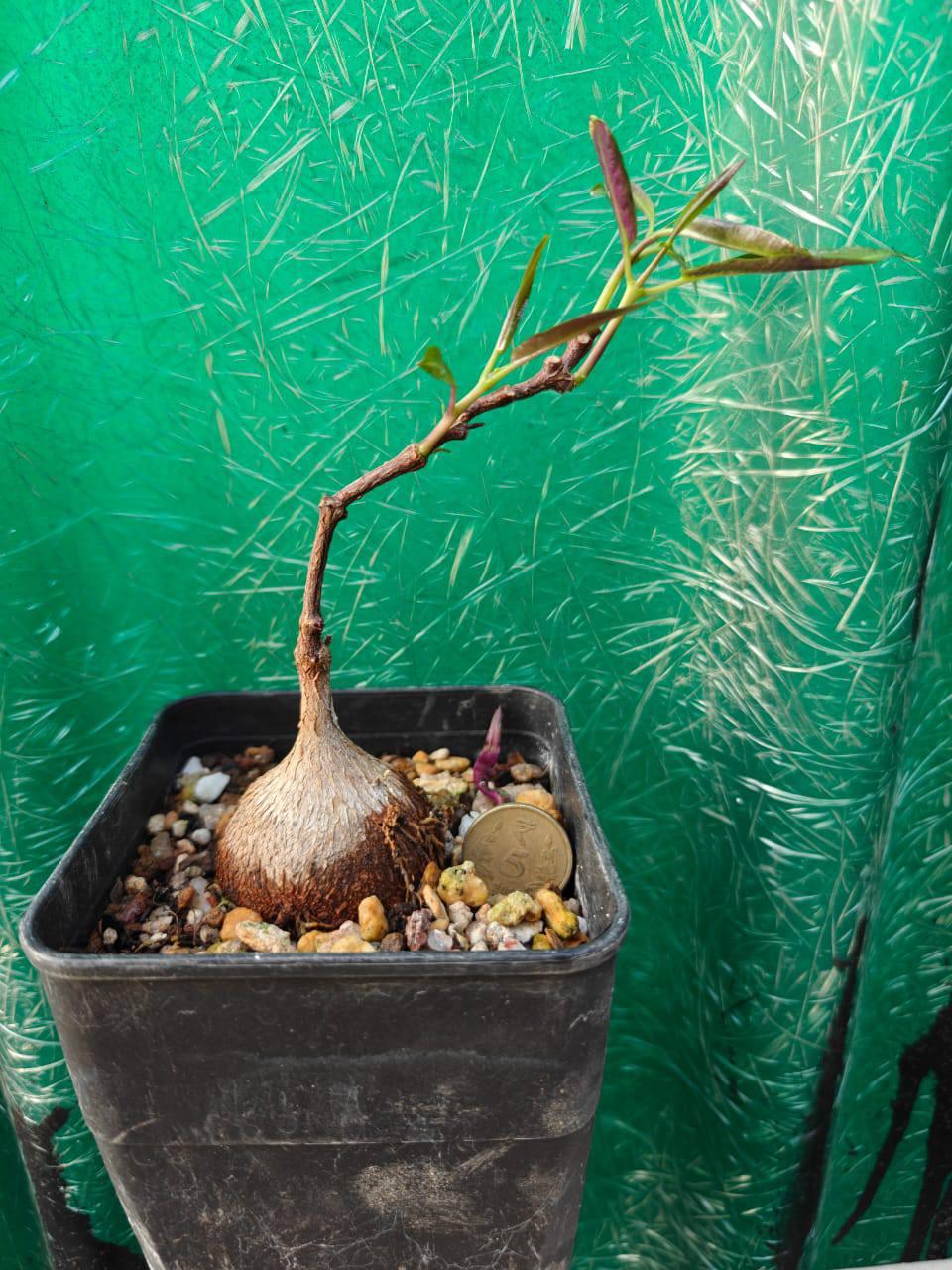
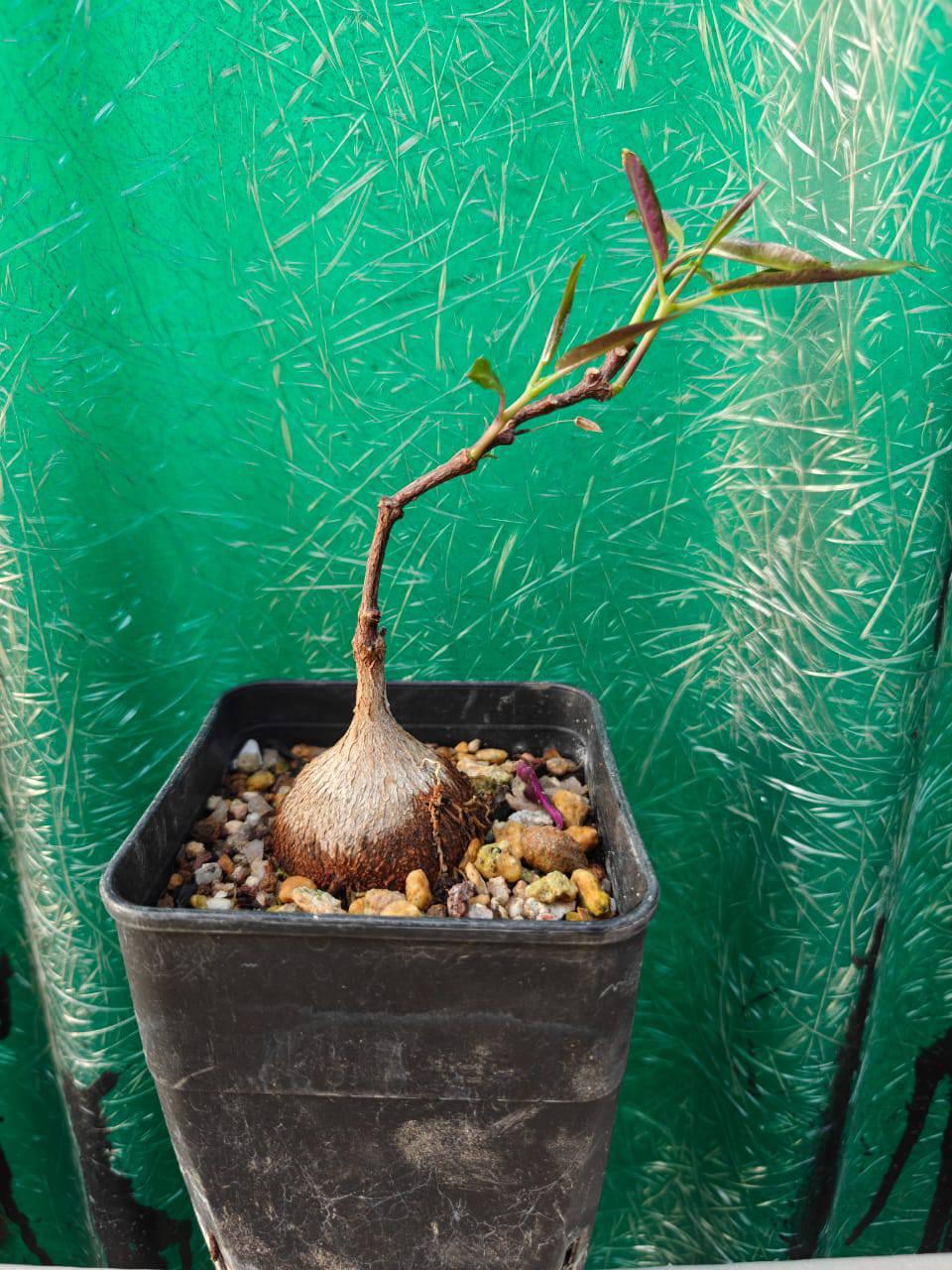
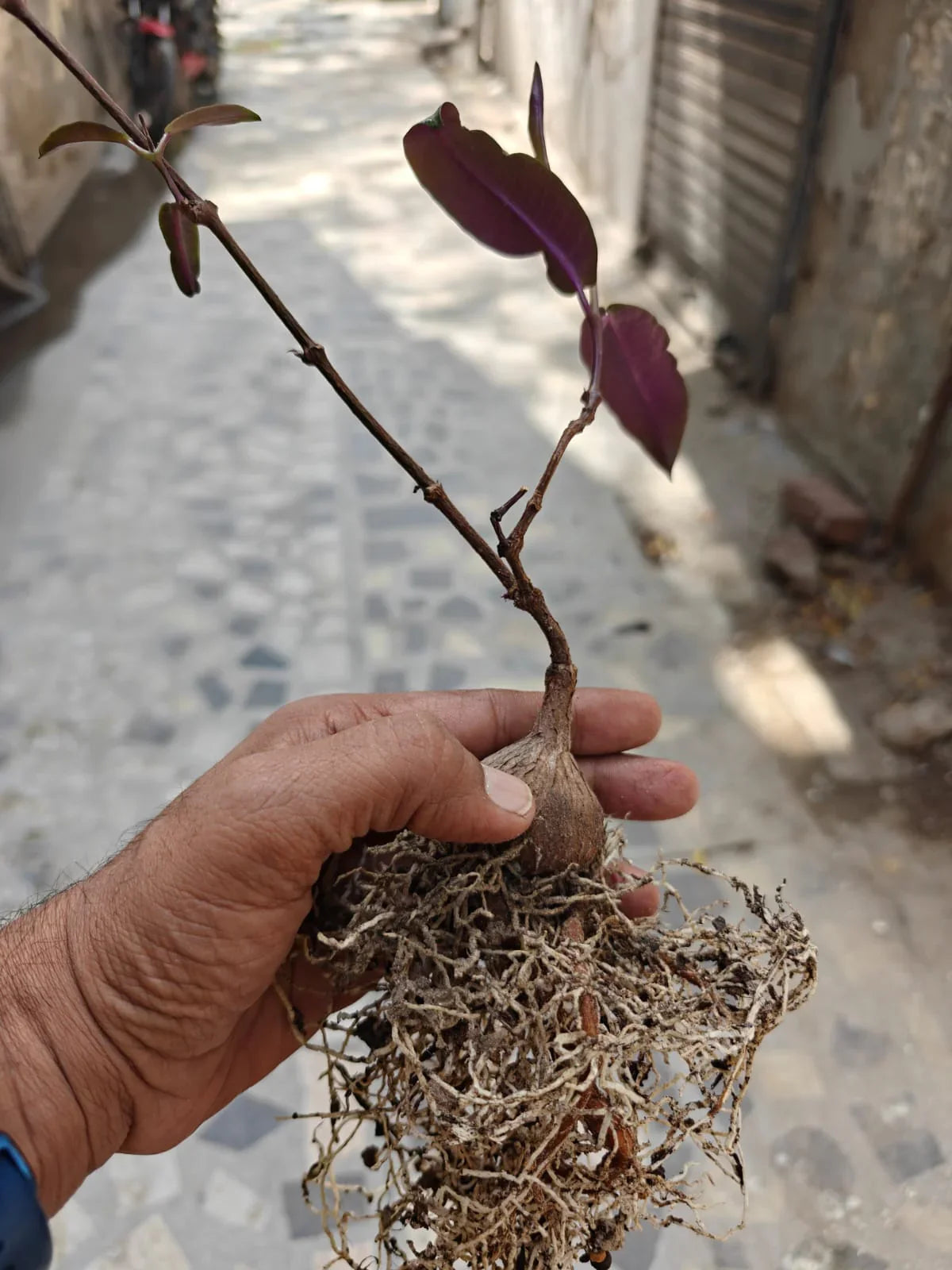
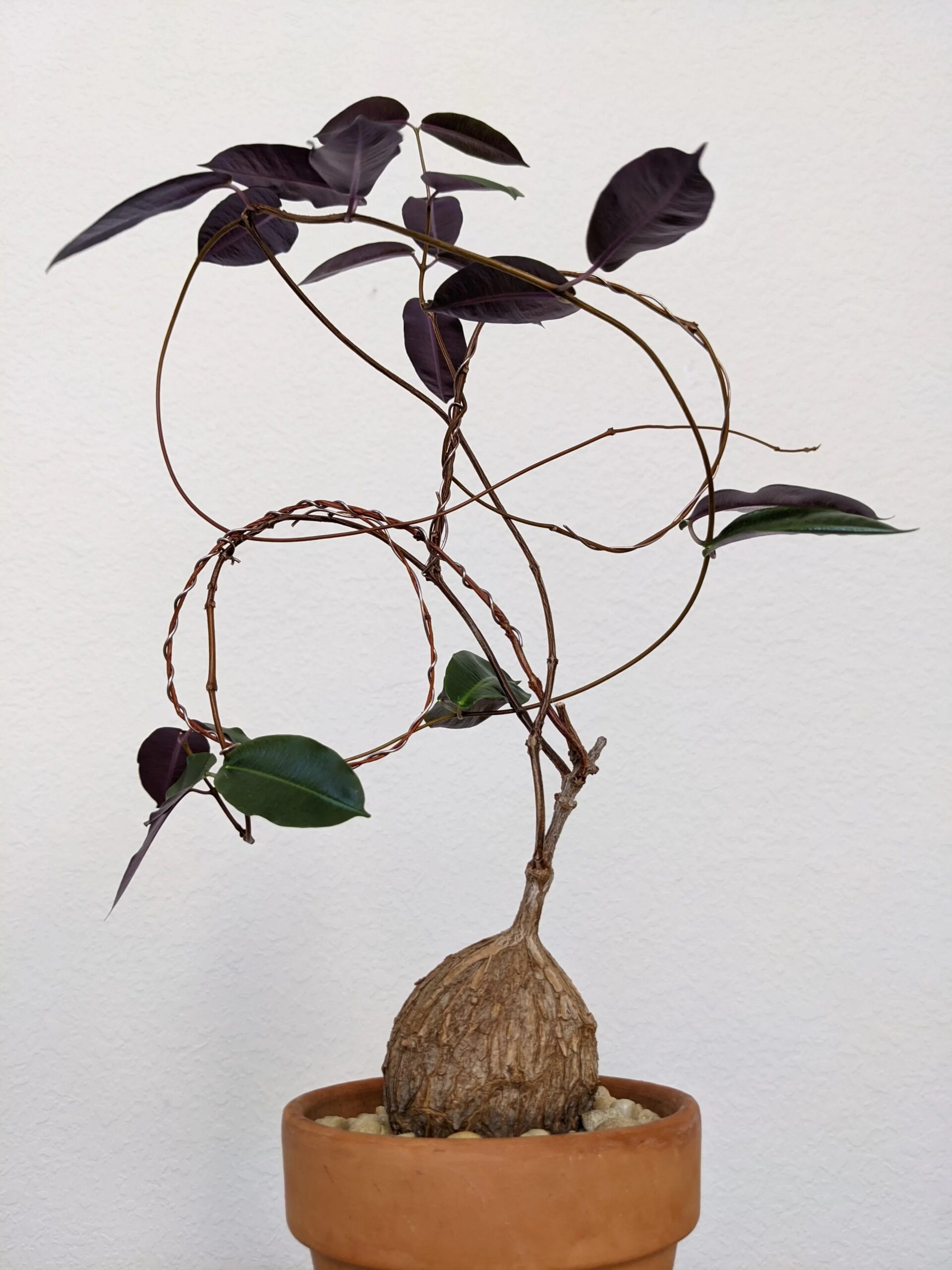
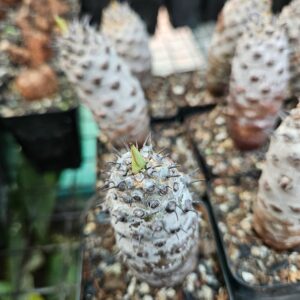
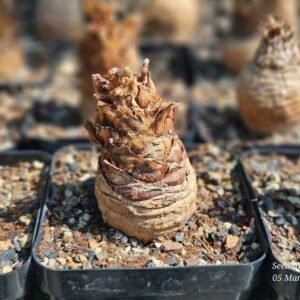
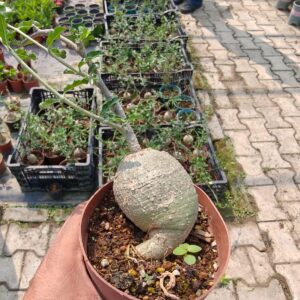
The Caudex: Its most prized feature is the swollen, woody, root-like base (the caudex). In the wild, this structure grows mostly underground to protect the plant from extreme heat and herbivores. In cultivation, growers expose the caudex above the soil line to showcase its rugged, bulbous shape.
-
The Vines: From the top of this woody base, Petopentia Natalensis sends out long, vigorous, twining vines.
-
The Foliage: The leaves are absolutely striking. They are highly glossy, dark green on the top surface, but flip them over to reveal a vivid, metallic purple or deep burgundy underside.
Cultivation and Care
Caudiciforms require a very specific balance of care to keep the swollen base healthy without rotting:
-
Light: Petopentia Natalensis thrives in bright, indirect light. While the vining foliage enjoys plenty of sun to keep the purple undersides vibrant, the exposed woody caudex can actually get sunburned if subjected to harsh, direct afternoon rays.
-
Watering: During its active summer growing season, it needs regular watering—but the soil must be allowed to dry out significantly between soakings. The caudex acts as a massive water reservoir.
-
Soil: A hyper-porous, gritty succulent mix is non-negotiable. Standard nursery soil will hold too much moisture against the caudex and cause rapid, fatal rot. Adding generous amounts of pumice, perlite, and coarse sand is essential.
-
Support: The vigorous vines will quickly tangle if left unsupported. Providing a small trellis, wire hoop, or moss pole allows the foliage to climb beautifully and prevents the vines from sprawling across your display tables.
Winter Dormancy
Like your Curcuma and Tuberose bulbs, Petopentia natalensis has a distinct dormancy cycle.
As temperatures drop in the winter, the vines will typically shed their leaves and may die back entirely. During this period, the plant must be kept almost completely dry. Watering a dormant caudex is the most common way growers accidentally rot their specimens. When spring temperatures rise, normal watering can resume, and new vines will quickly shoot from the woody base.

Reviews
There are no reviews yet.