
Phyllanthus Mirabilis
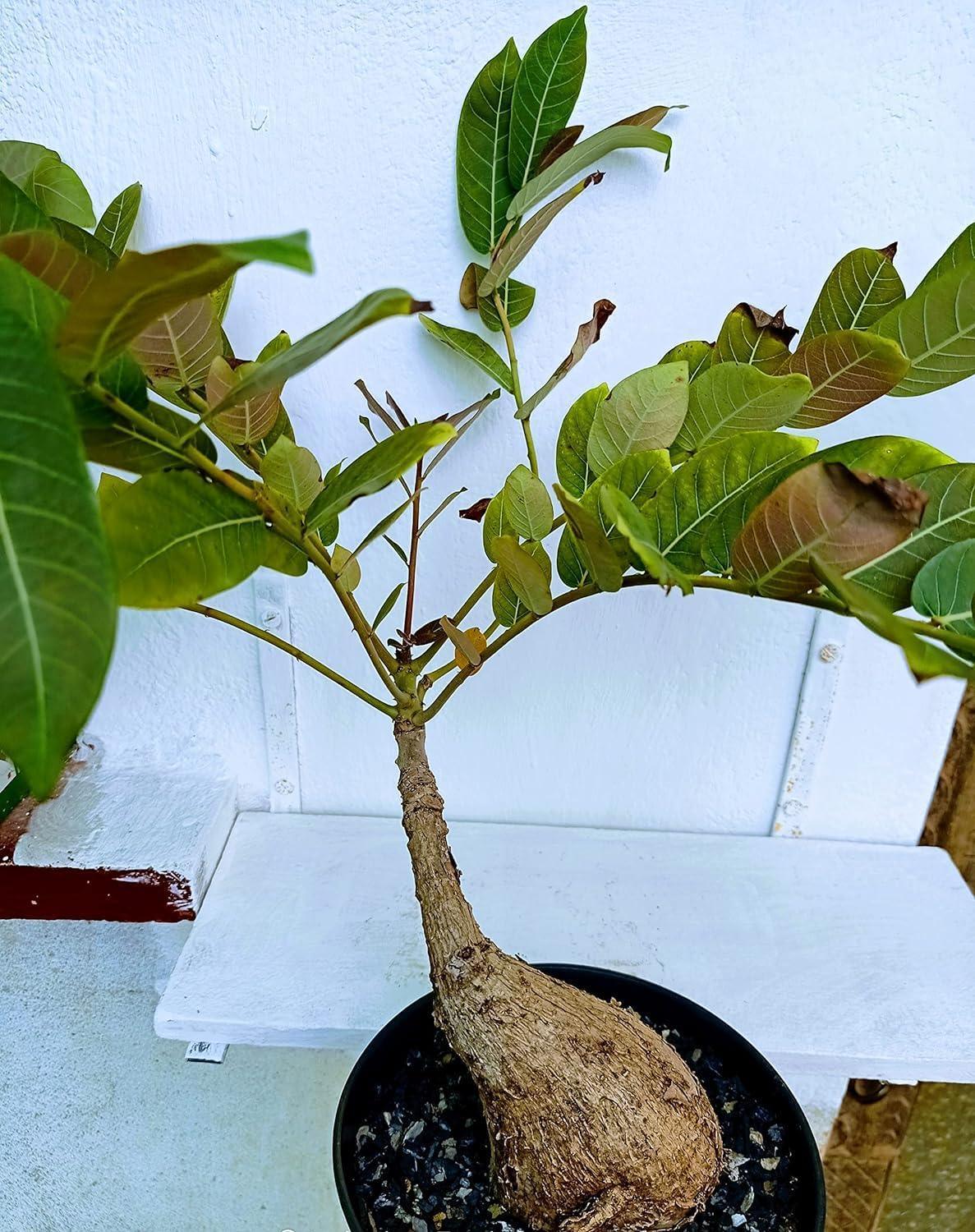
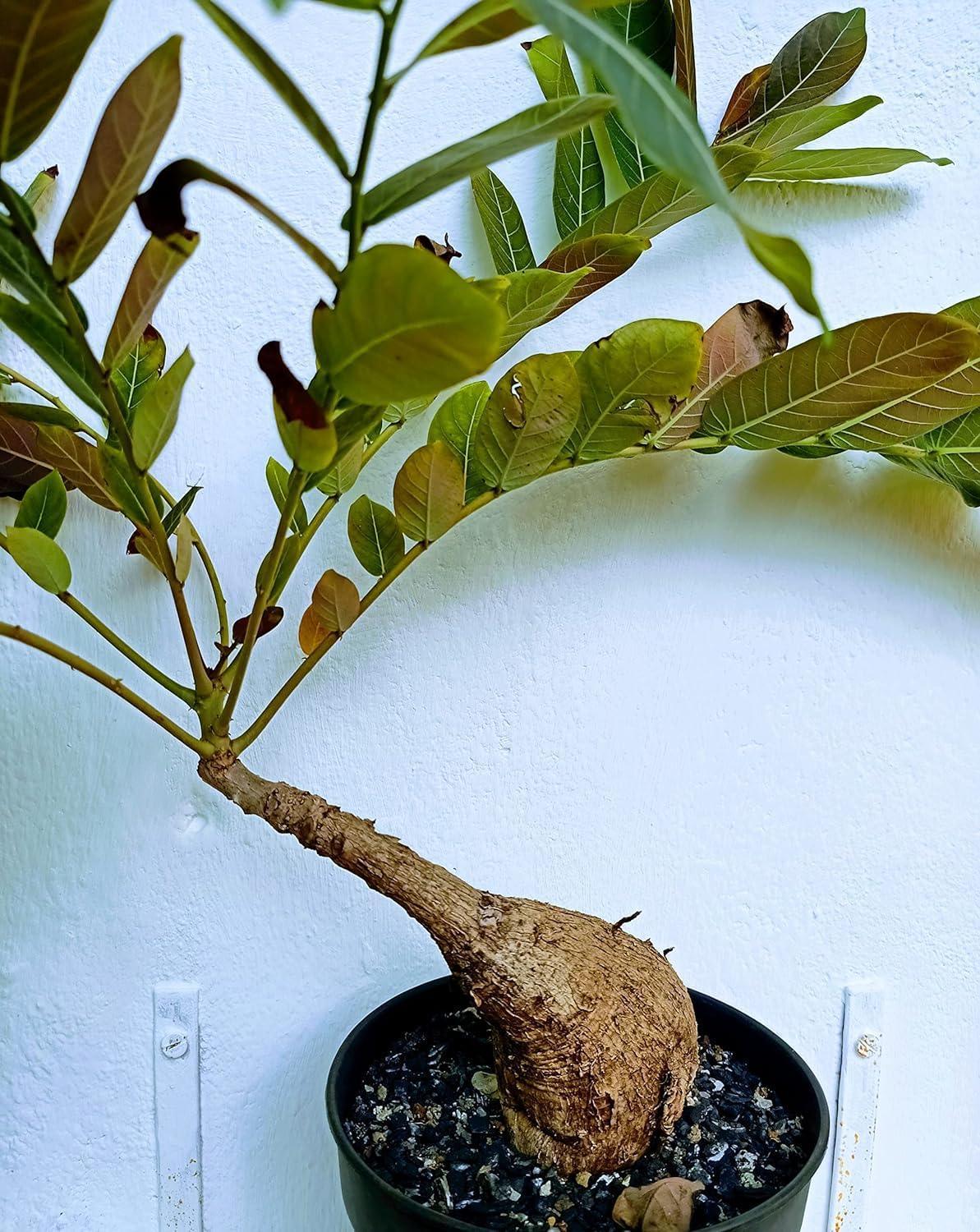
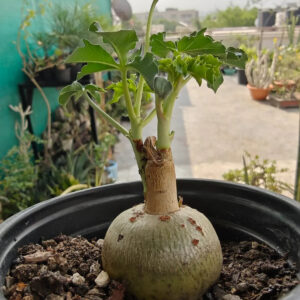
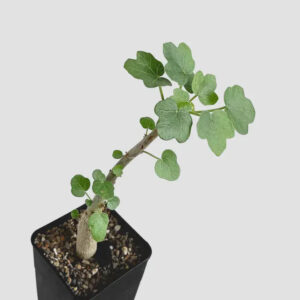
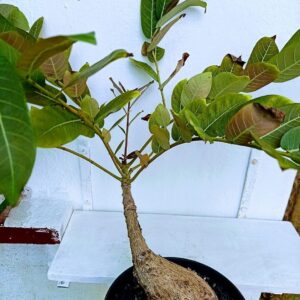
Phyllanthus mirabilis is a rare and highly prized caudiciform plant native to Thailand. It is renowned for its impressive swollen caudex, intricate branching, and unique foliage, making it a favorite among collectors of exotic and bonsai-style plants. As it matures, the caudex develops an aged, textured appearance, giving the plant exceptional ornamental value.
Key Features : Phyllanthus Mirabilis
- Growth Type: Deciduous caudiciform shrub.
- Caudex: Thick, swollen base that stores water and gradually develops a rugged, fissured texture with age.
- Branches: Slender, woody branches that emerge from the caudex during the growing season.
- Leaves: Small, bright green leaves arranged in two rows along the branches, creating the appearance of delicate compound foliage.
- Flowers: Tiny, greenish-yellow flowers that appear along the stems, followed by small seed capsules.
Caudex Pattern
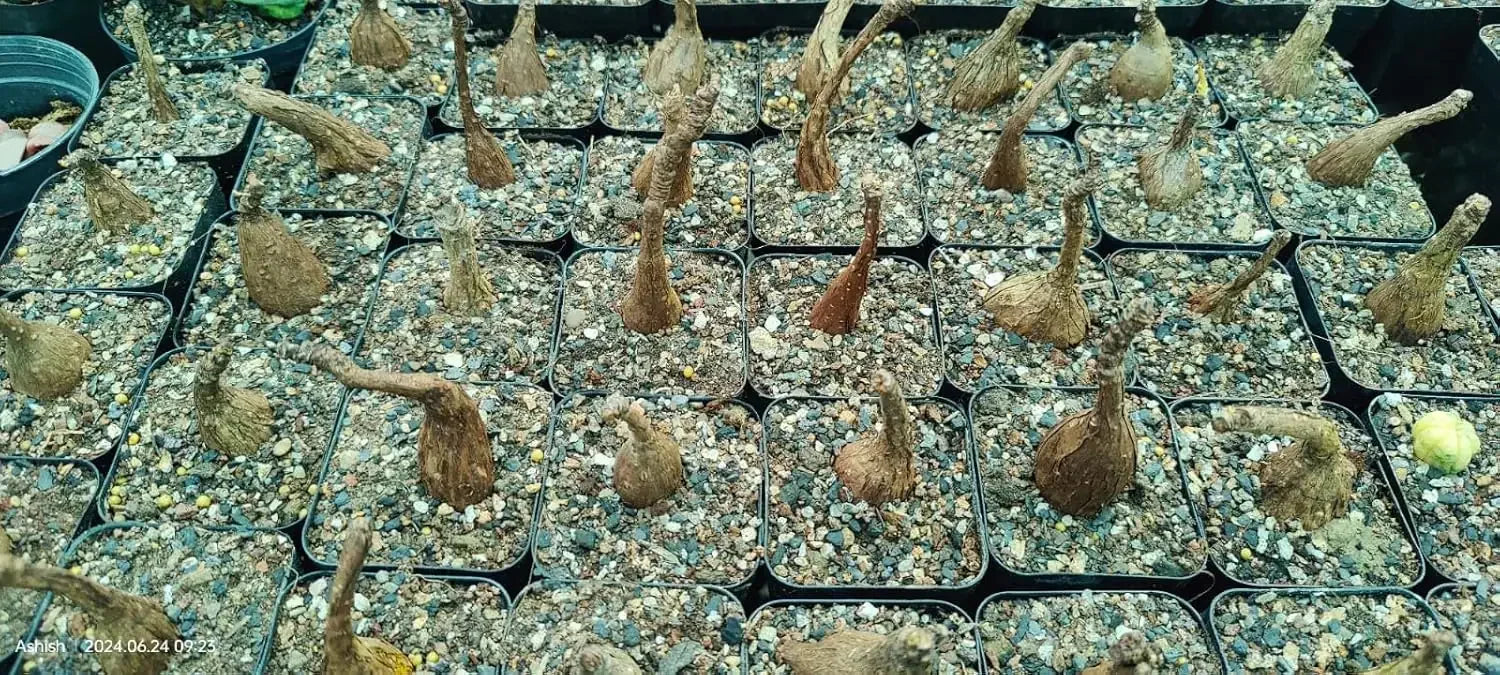
Young plants have a smooth, rounded caudex that becomes increasingly sculptural over time. Mature specimens develop:
- Thick, woody bases
- Deep fissures and textured bark
- A natural bonsai-like appearance that becomes more striking with age
Growing Conditions
Light:
Thrives in bright indirect light to full sun. Morning sun with afternoon shade is ideal in hotter climates.
Soil:
Requires a well-draining soil mix, such as:
- 50% cactus or succulent mix
- 25% pumice or perlite
- 25% coarse sand or grit
Watering:
- Water regularly during the active growing season (spring and summer).
- Allow the soil to dry between waterings.
- Reduce watering significantly during winter dormancy when the plant sheds its leaves.
Temperature:
- Ideal range: 20–35°C.
- Protect from temperatures below 10°C.
Growth Cycle
- Spring: New shoots and leaves emerge.
- Summer: Active growth and caudex development.
- Autumn: Growth slows.
- Winter: The plant enters dormancy and typically becomes leafless.
Care Tips
- Grow in a shallow clay pot to highlight the caudex and improve drainage.
- Avoid overwatering, particularly during dormancy.
- Feed monthly with a balanced, diluted fertilizer during the growing season.
- Repot only when necessary, as mature plants prefer minimal root disturbance.
Propagation
- Seeds: The preferred method, producing plants with well-developed caudices.
- Stem cuttings: Possible, but cuttings generally do not develop the same impressive swollen base as seed-grown plants.
Uses
- Outstanding specimen for caudiciform collections.
- Ideal for bonsai-style cultivation.
- Excellent as a decorative container plant for bright indoor spaces or protected patios.
Reviews
There are no reviews yet.