
Matelea Cyclophylla
Origin and Background
Matelea cyclophylla is endemic to the dry, deciduous forests of Mexico. It belongs to the Apocynaceae family, making it a relative of milkweeds, Hoya, and other popular carrion flowers like Stapelia.
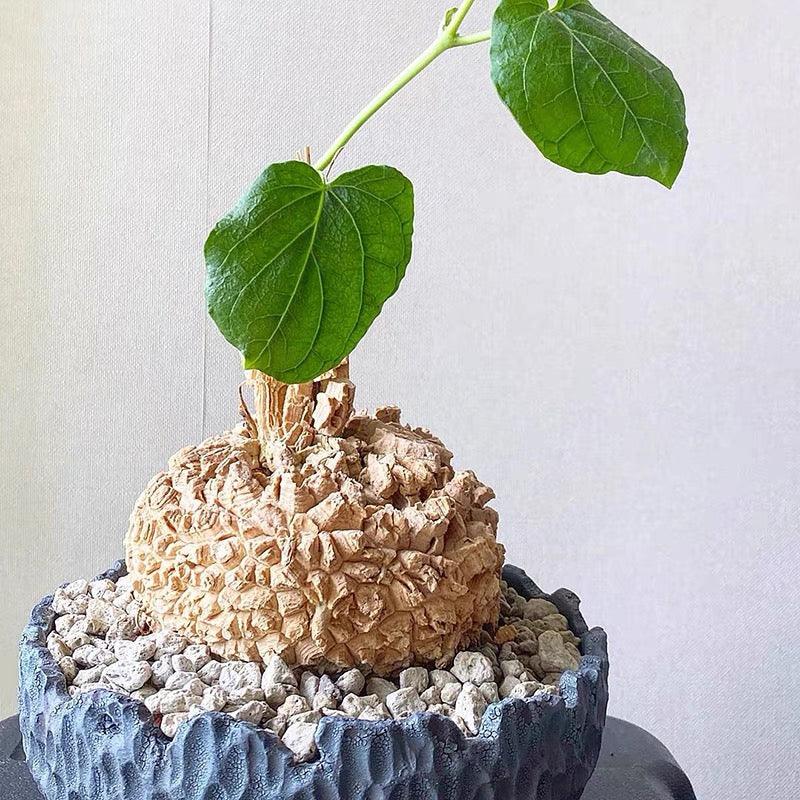
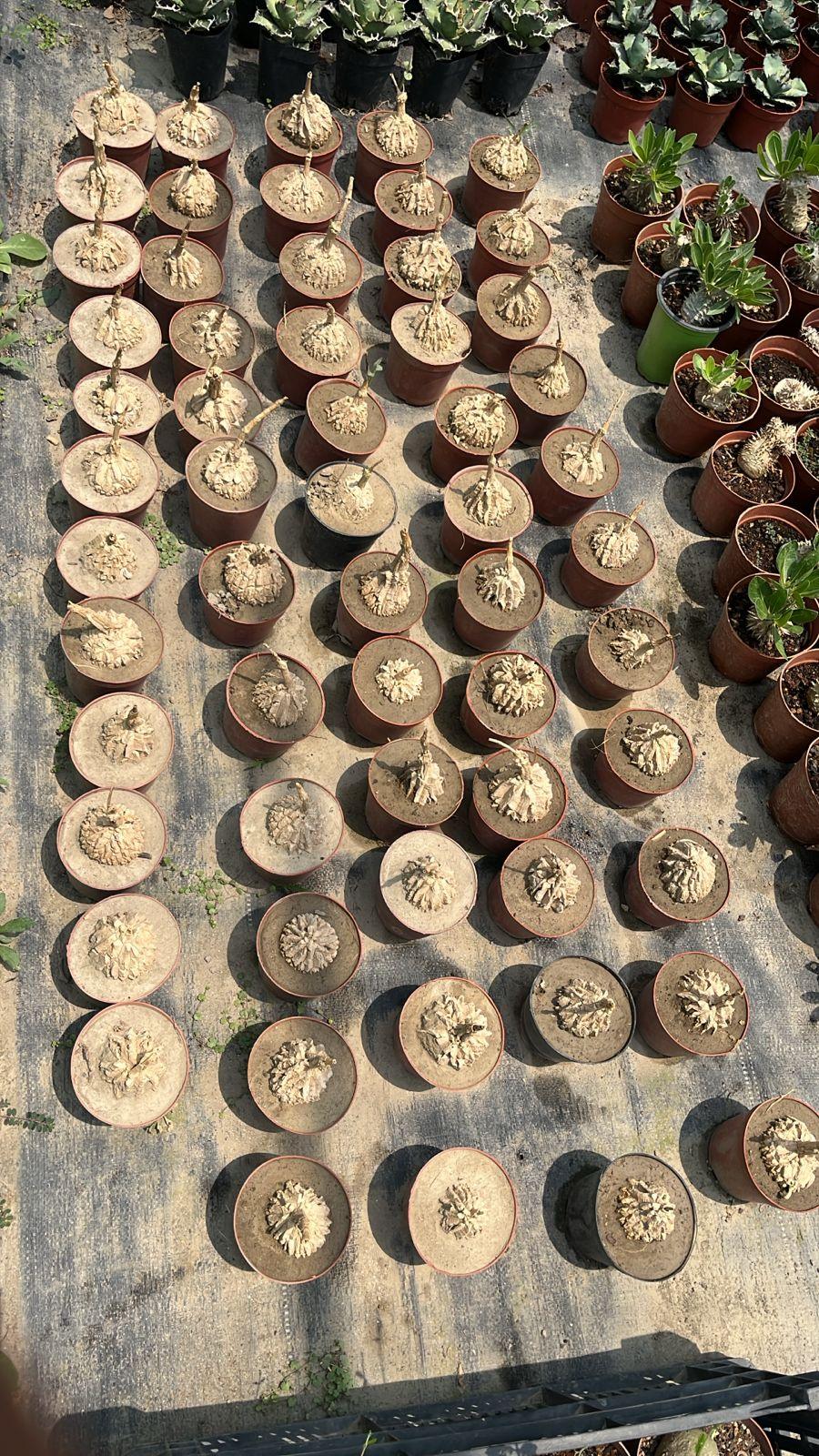
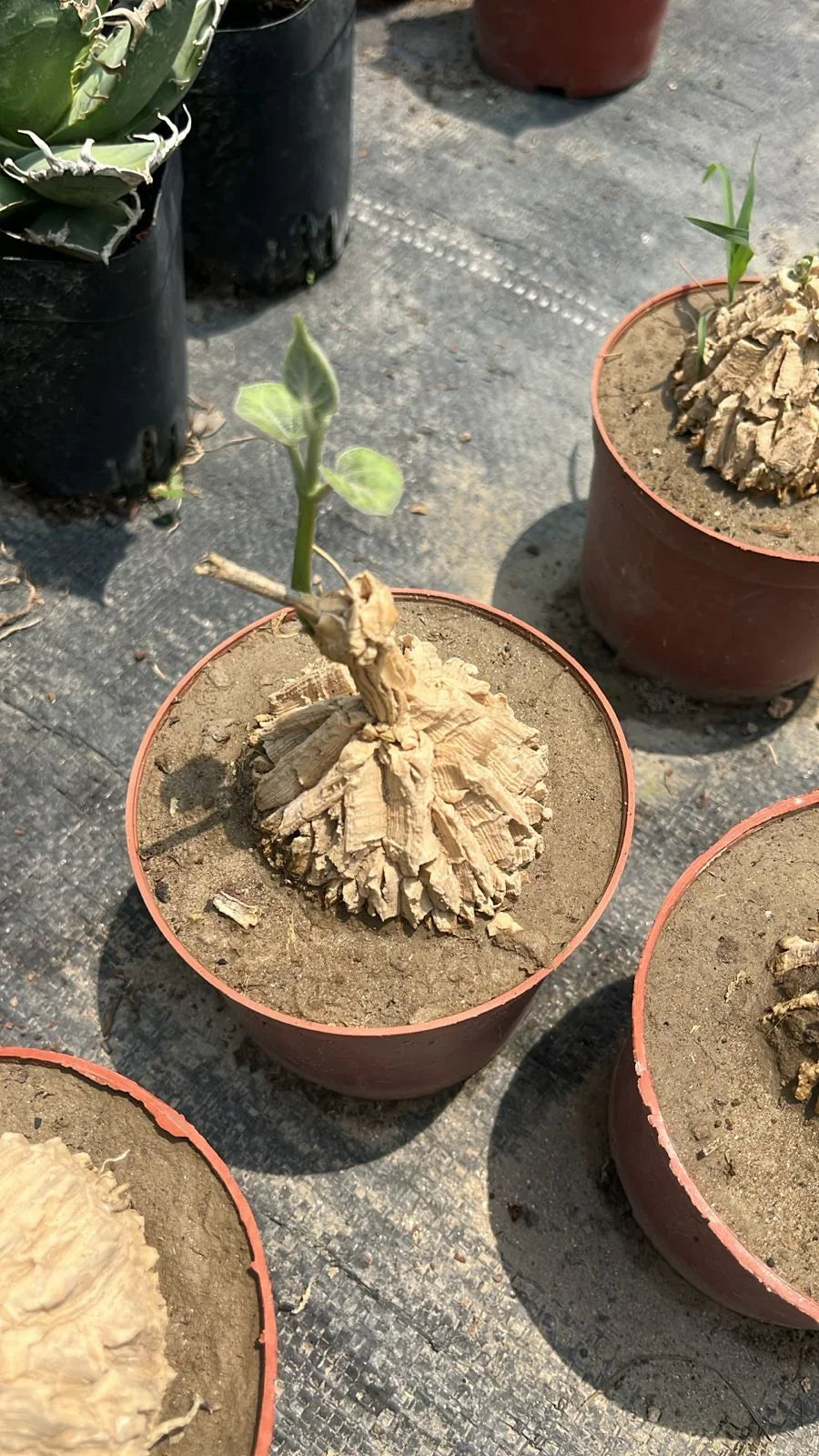
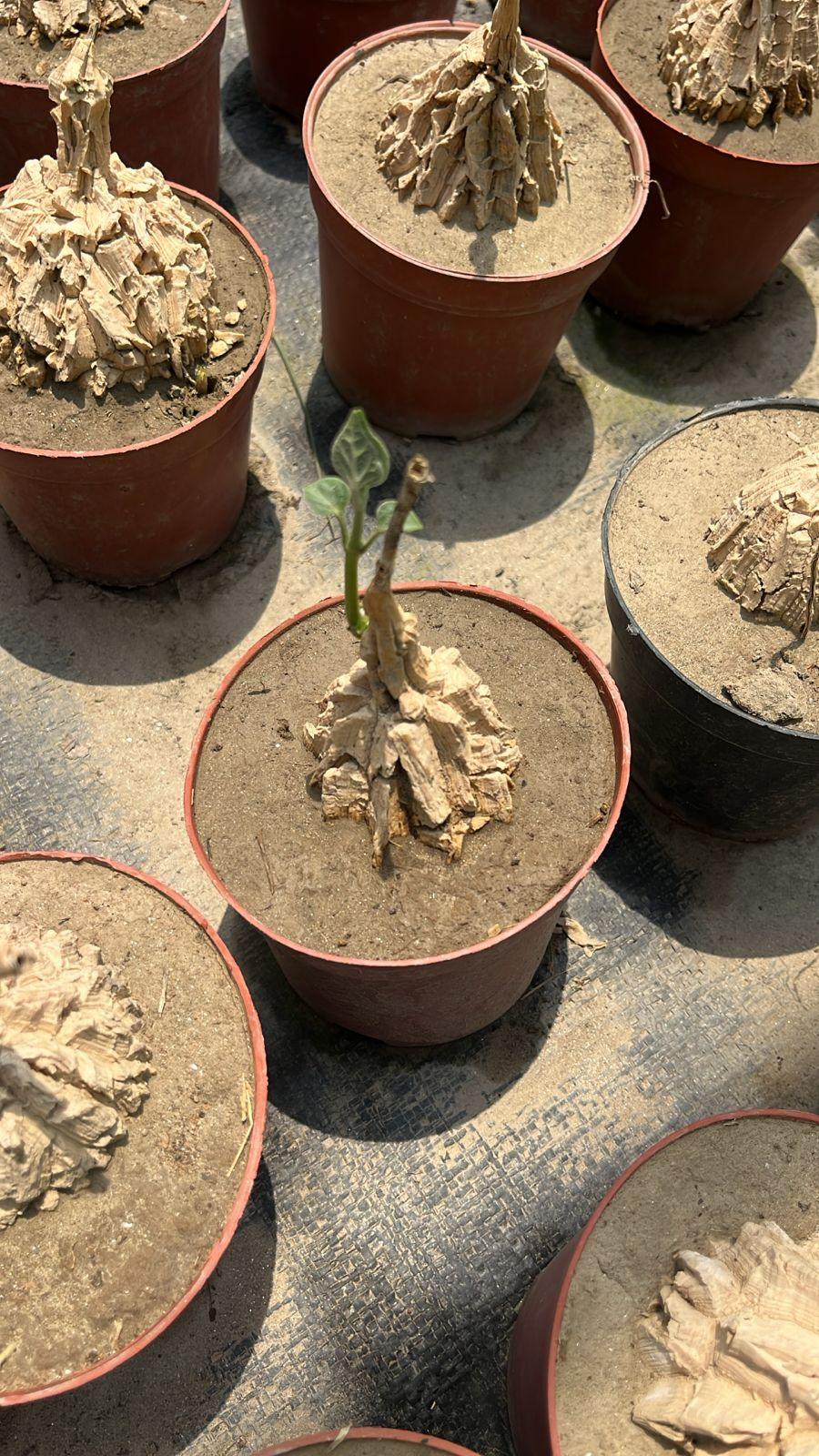
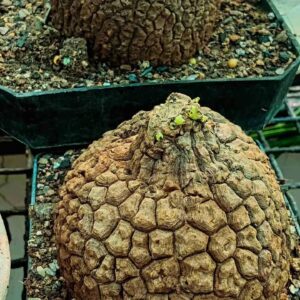
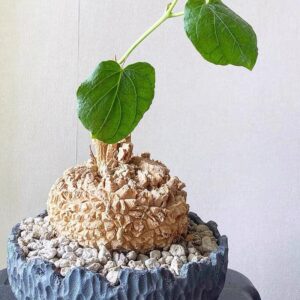
The defining feature of this plant is its incredible caudex, which looks remarkably like a deeply fissured, cracked piece of pale cork or dead wood. In its natural habitat, this woody base camouflages perfectly against rocks and dry earth while storing essential water.
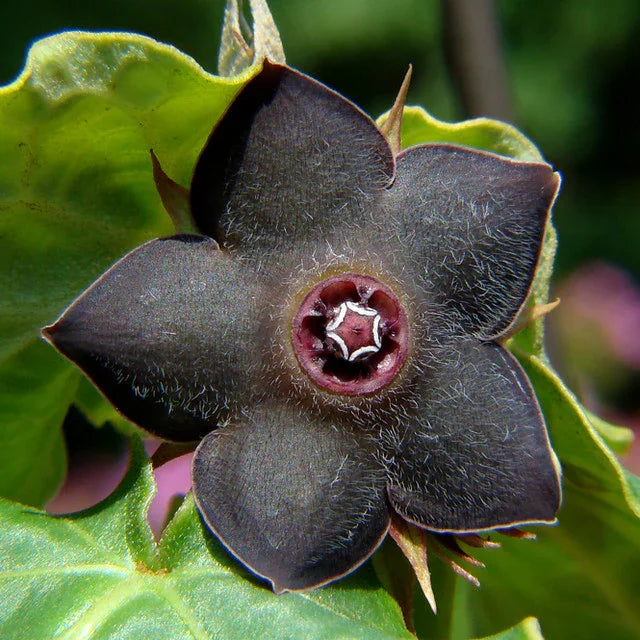
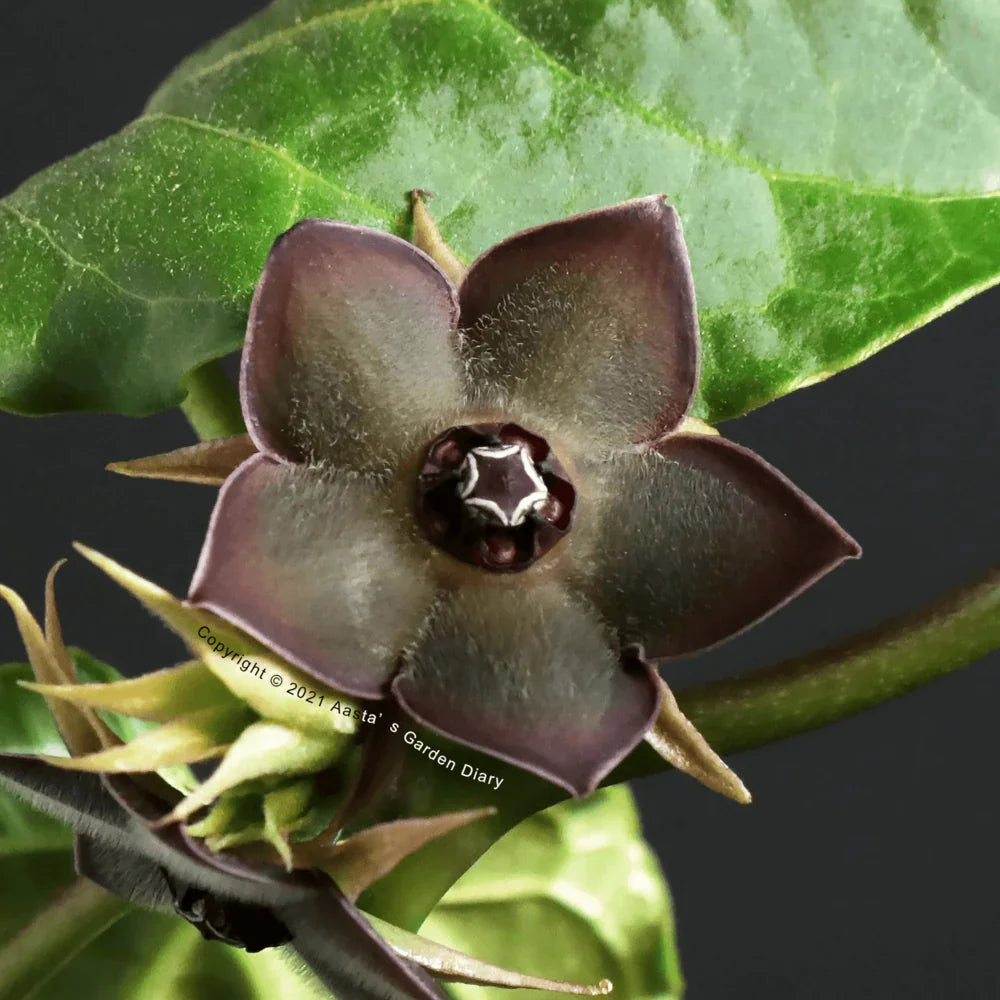
During the growing season, it sends out long, twining vines adorned with soft, heart-shaped (cordate) green leaves. If conditions are right, it produces fascinating, star-shaped maroon or purplish-brown flowers. Like many in its family, the flowers emit a faint, unpleasant odor resembling decaying organic matter to attract its natural pollinators: flies.
Comprehensive Care Guide
Unlike the winter-growing Monsonia multifida, Matelea cyclophylla is a summer-growing, winter-dormant succulent.
Light foe Matelea Cyclophylla
-
Bright, Indirect Light: This plant prefers bright, filtered sunlight.
-
Protect the Caudex: In nature, the caudex is often shaded by surrounding brush. Exposing the corky base to harsh, direct afternoon sun can cause severe sunburn and damage. It is best to let the vines climb into the light while keeping the base in partial or dappled shade.
Watering for Matelea Cyclophylla
-
Growing Season (Spring and Summer): When the vines are actively growing and full of leaves, it requires regular watering. Drench the soil thoroughly, but wait until the top half of the soil is completely dry before watering again.
-
Dormancy (Winter): In late autumn, the leaves will turn yellow and the vines will die back. Once dormant, keep the caudex completely dry. You should only provide a very light watering (perhaps once a month) if the caudex begins to look severely shriveled.
Soil
-
Excellent Drainage: Like most caudiciforms, it is highly prone to root rot. Use a gritty, mineral-rich succulent mix.
-
Recipe: A blend of 50% pumice or perlite, 25% coarse sand, and 25% high-quality potting soil provides the necessary drainage while retaining enough moisture for summer growth.
Temperature
-
Warmth: It thrives in warm summer temperatures between 25°C and 35°C (77°F to 95°F).
-
Winter Minimum: Protect it from all frost. During winter dormancy, it should be kept in a dry environment with temperatures strictly above 10°C (50°F).
Reviews
There are no reviews yet.