
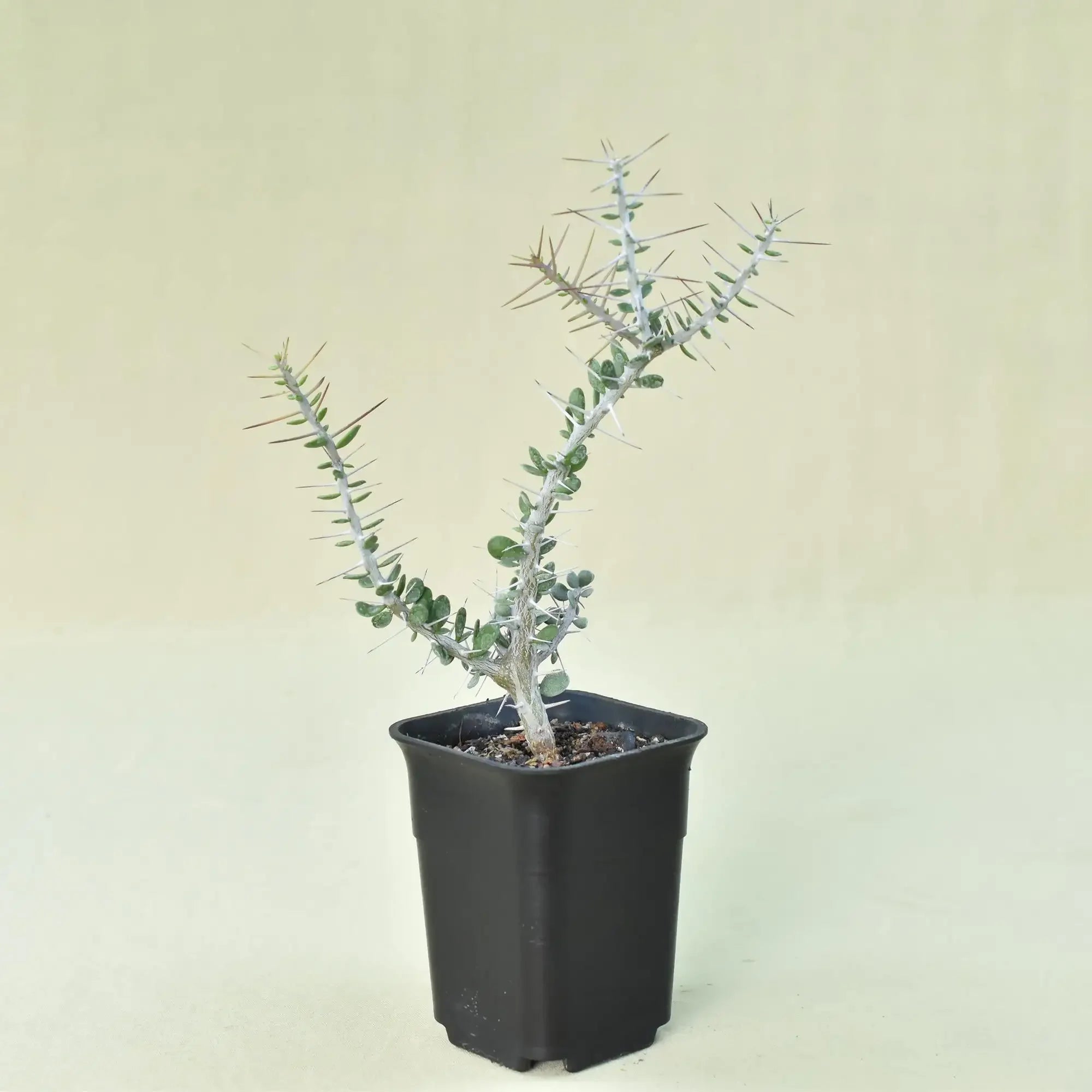
Alluaudia comosa
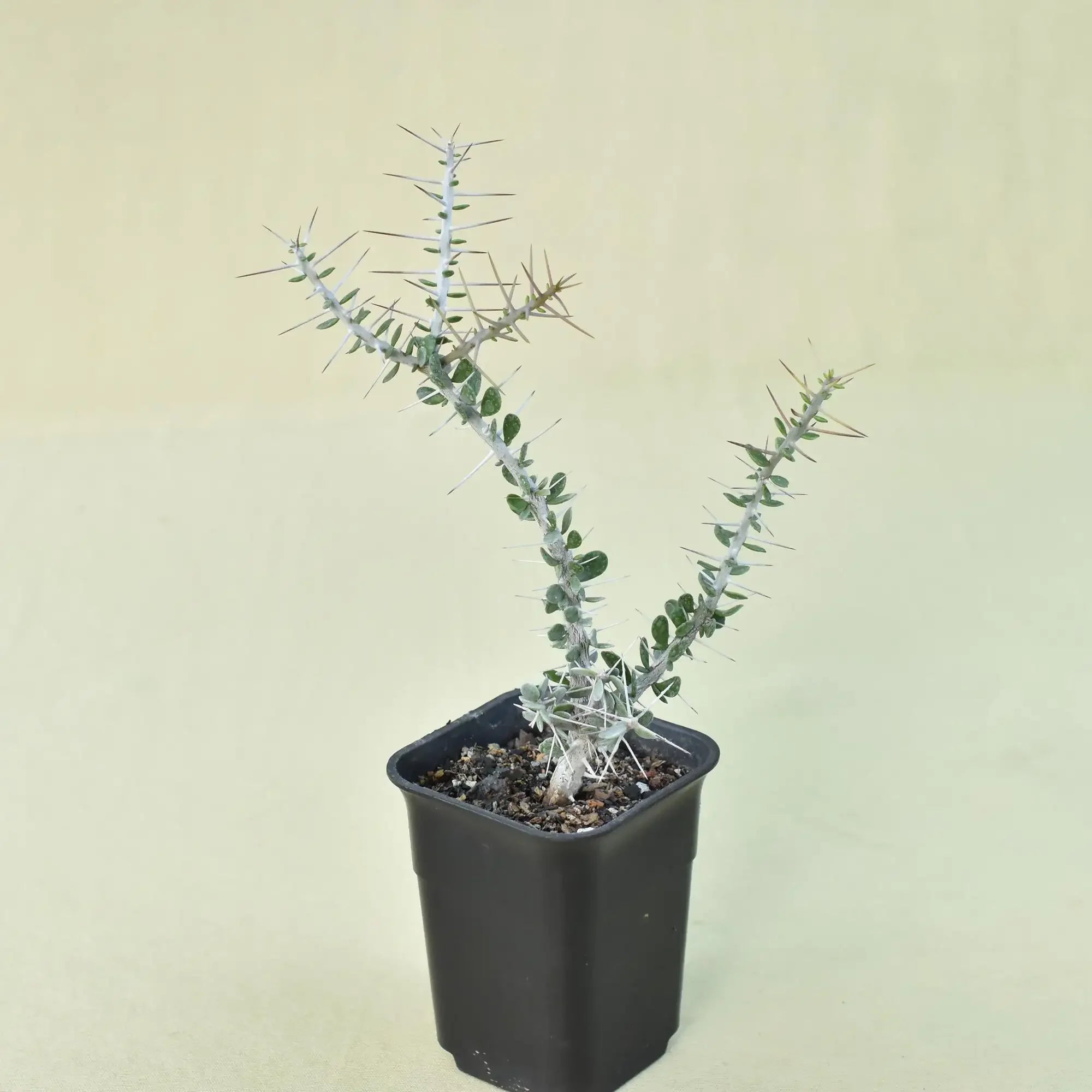
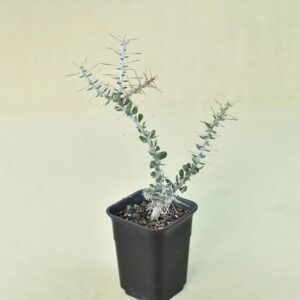
Alluaudia comosa is a rare, slow-growing succulent tree endemic to the spiny forests of southwestern Madagascar. A member of the Didiereaceae family, it is prized for its slender, spiny stems, compact branching habit, and clusters of small green leaves. Its elegant architectural form and exceptional drought tolerance make it a highly desirable specimen for collectors of Madagascan plants and xerophytic species.
Key Features
- Growth Type: Deciduous succulent tree
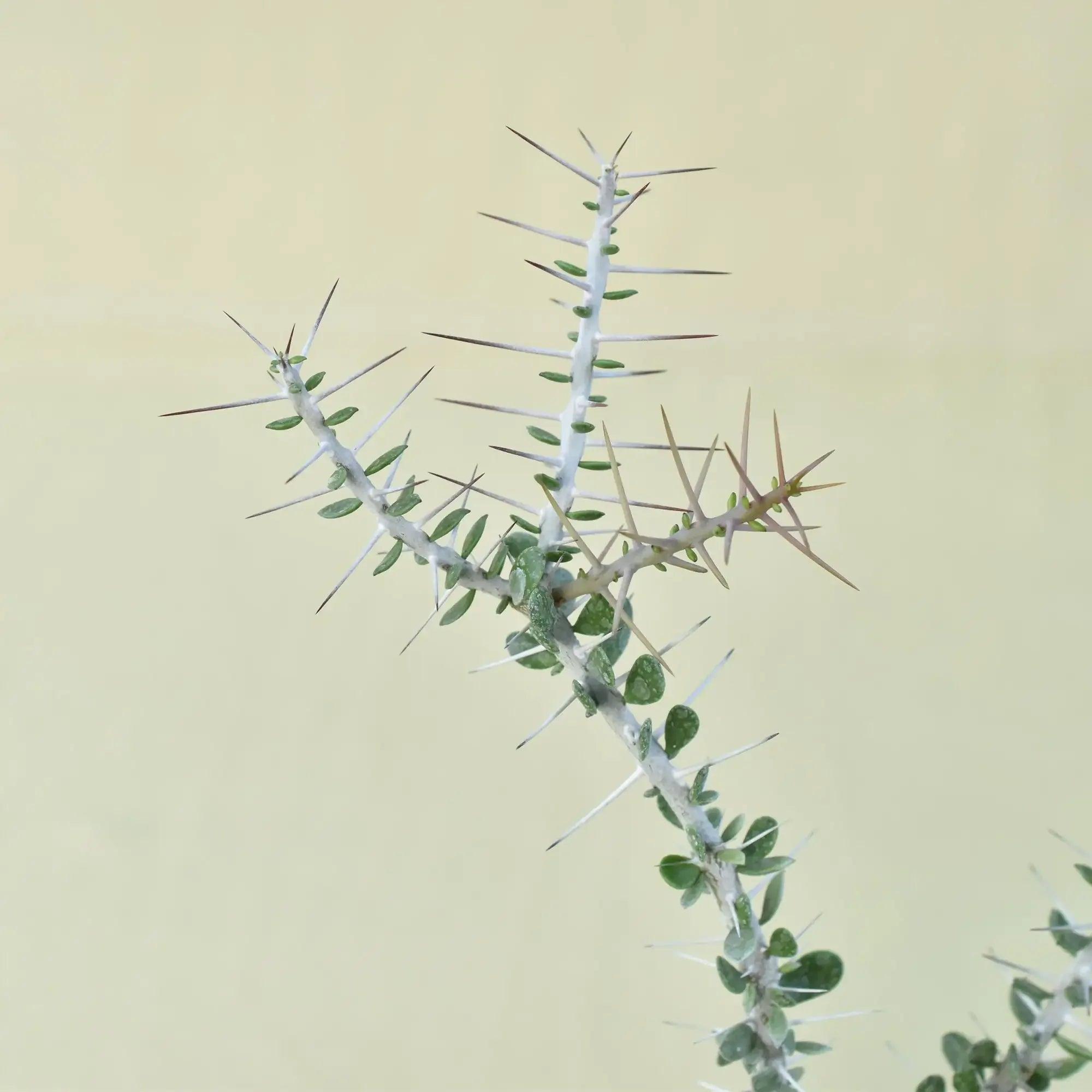
- Stems: Slender, upright grey stems lined with prominent spines
- Leaves: Small, fleshy, oval green leaves that emerge in clusters between the spines during the growing season
- Branches: Naturally forms a compact, well-branched canopy with age
- Flowers: Tiny cream to greenish-yellow flowers produced on mature plants
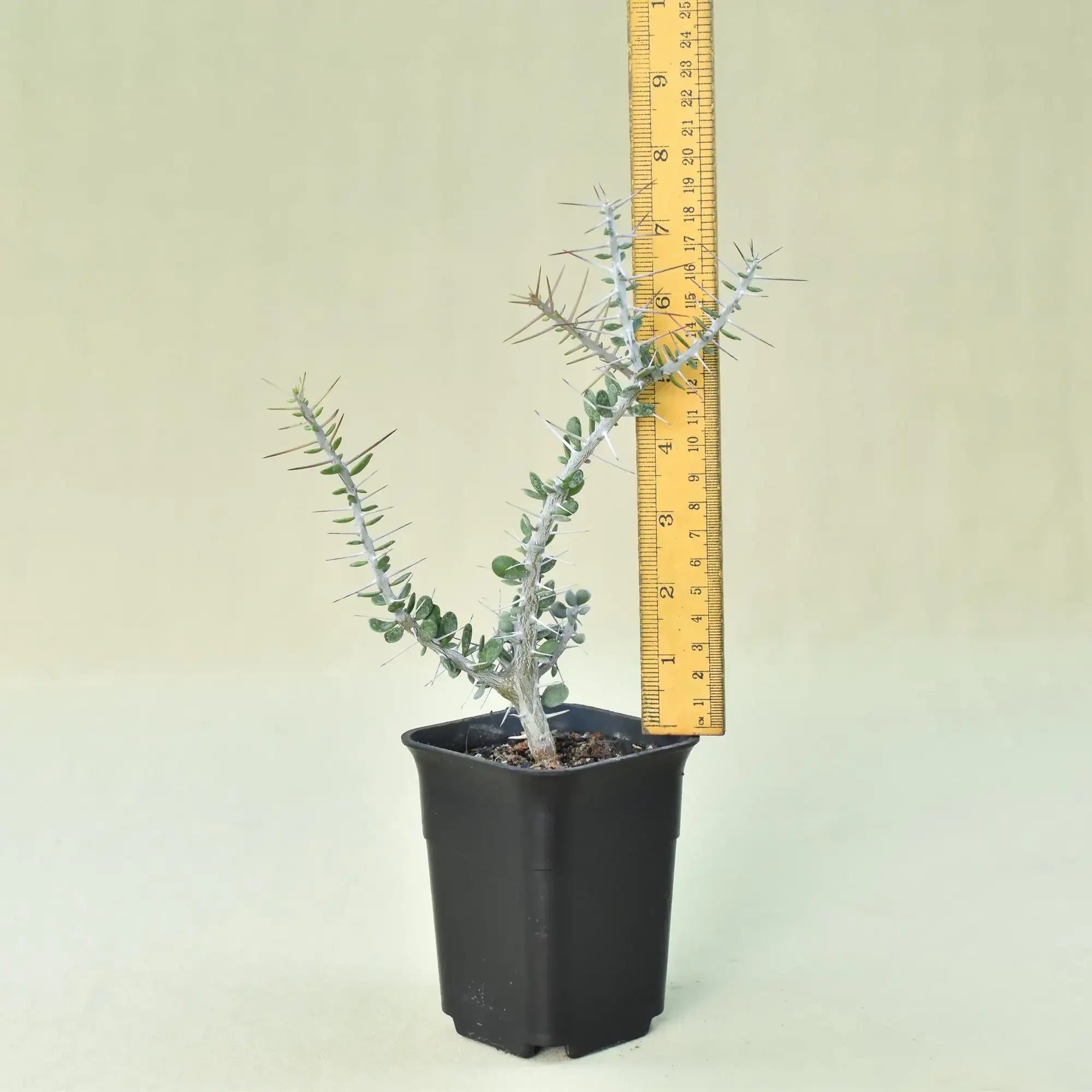
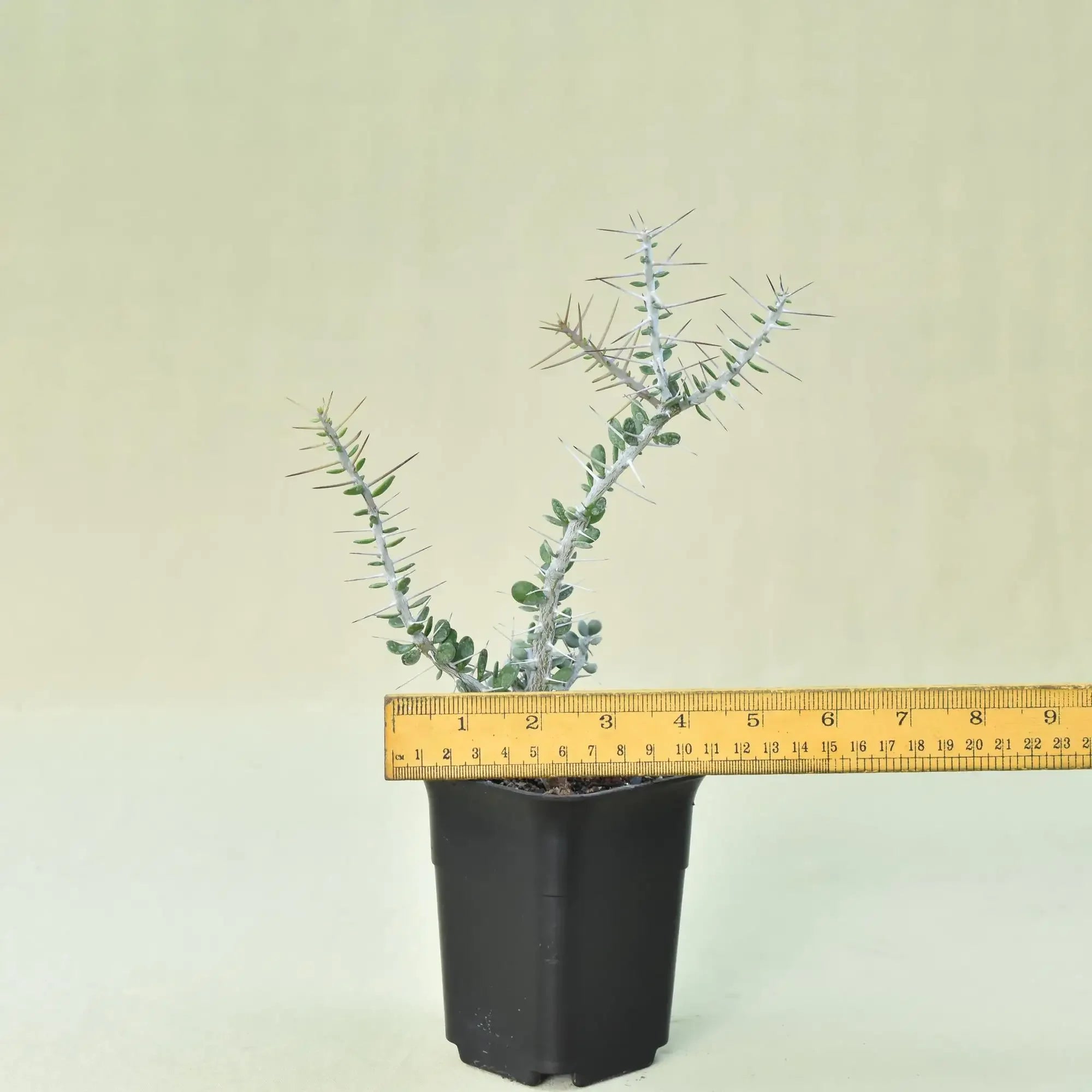
- Size: Typically reaches 2–5 meters (6–16 feet) in habitat, remaining much smaller in containers
Distinctive Characteristics
- Elegant, upright growth with dense branching
- Sharp spines arranged in neat rows along the stems
- Seasonal foliage that appears during the rainy season and is shed during drought
- Excellent adaptation to hot, arid environments
Growing Conditions
Light:
Thrives in full sun and benefits from bright, direct light throughout the day.
Soil:
Requires a very well-draining succulent mix, such as:
- 50% cactus or succulent soil
- 25% pumice or perlite
- 25% coarse sand or gravel
Watering:
- Water thoroughly during the active growing season.
- Allow the soil to dry completely between waterings.
- Reduce watering significantly during winter dormancy.
Temperature:
- Ideal range: 20–35°C
- Protect from temperatures below 10°C and avoid frost.
Growth Cycle
- Spring–Summer: Active growth with new leaves and branches.
- Autumn: Growth gradually slows.
- Winter: Leaves may be shed as the plant enters dormancy.
Care Tips
- Grow in a deep pot with excellent drainage.
- Avoid overwatering, especially during dormancy.
- Feed lightly with a balanced fertilizer during the growing season.
- Wear gloves when handling due to the sharp spines.
Propagation
- Seeds: Preferred method for producing naturally shaped plants.
- Stem cuttings: Can root successfully under warm, dry conditions.
Uses
- Rare collector’s specimen
- Architectural focal point in succulent gardens
- Xeriscape landscaping
- Container-grown Madagascan plant collection

Reviews
There are no reviews yet.