
Gymnocalycium Prochazkianum
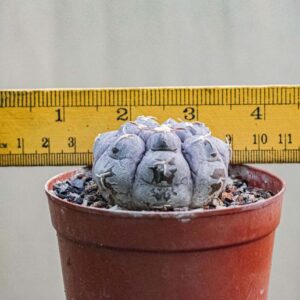
Gymnocalycium prochazkianum is a rare and highly collectible species of “chin cactus” prized for its compact, flattened shape and striking, muted coloration.
Origin & Characteristics
Native to the rocky, mountainous regions of Córdoba, Argentina—specifically around the town of Quilino at elevations between 450 and 750 meters—this species was first discovered in 1995 by Jaroslav Procházka.
-
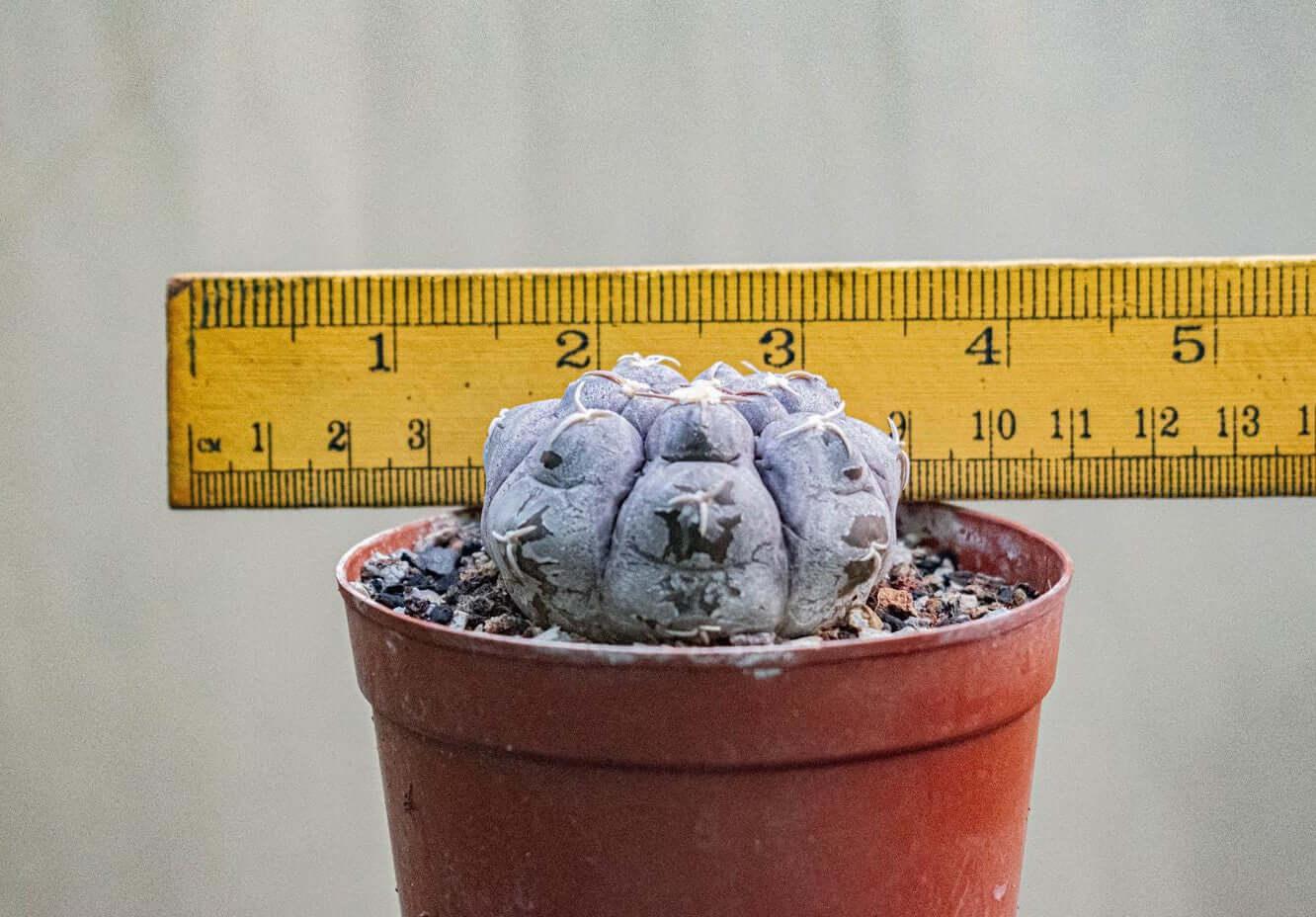
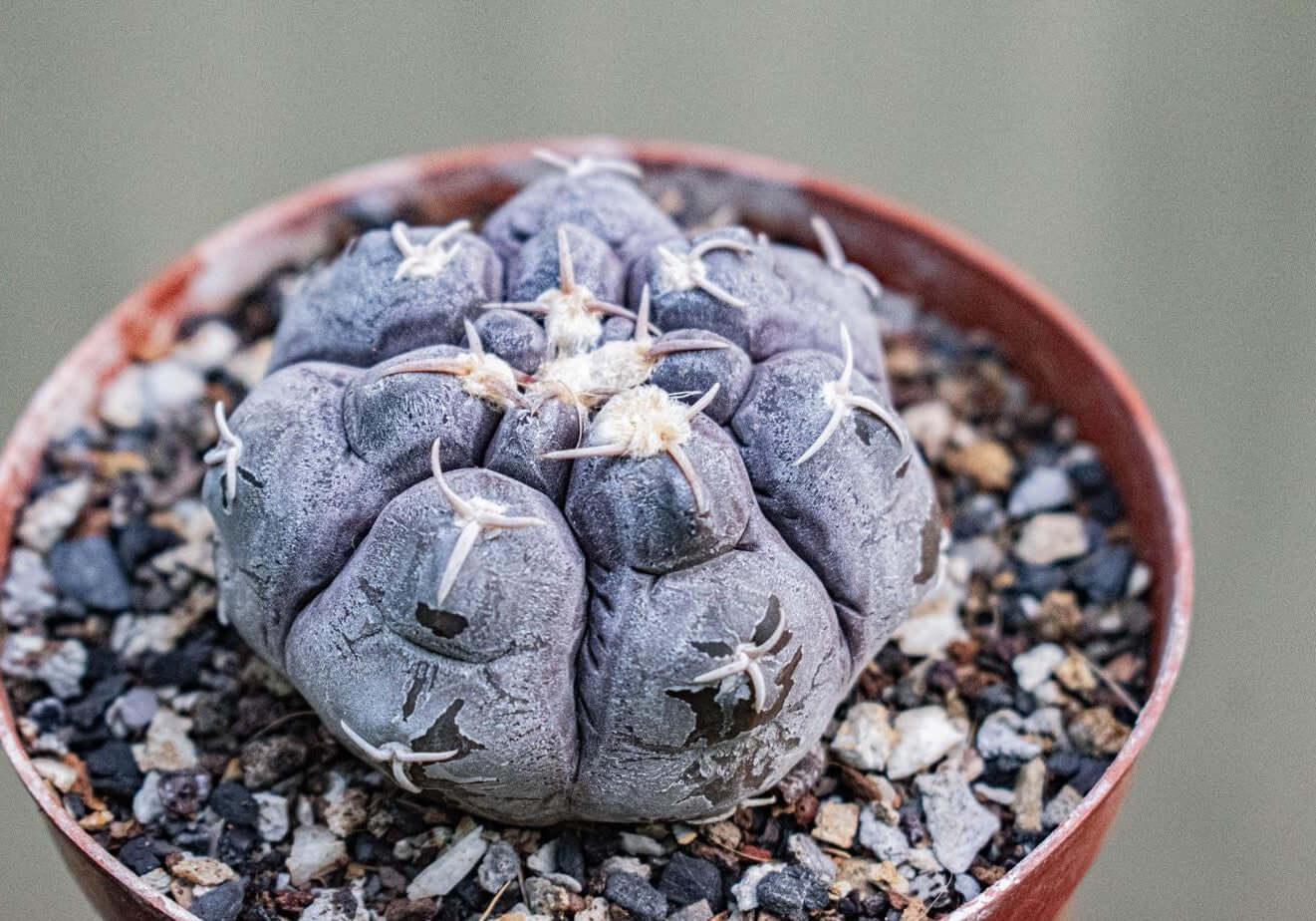
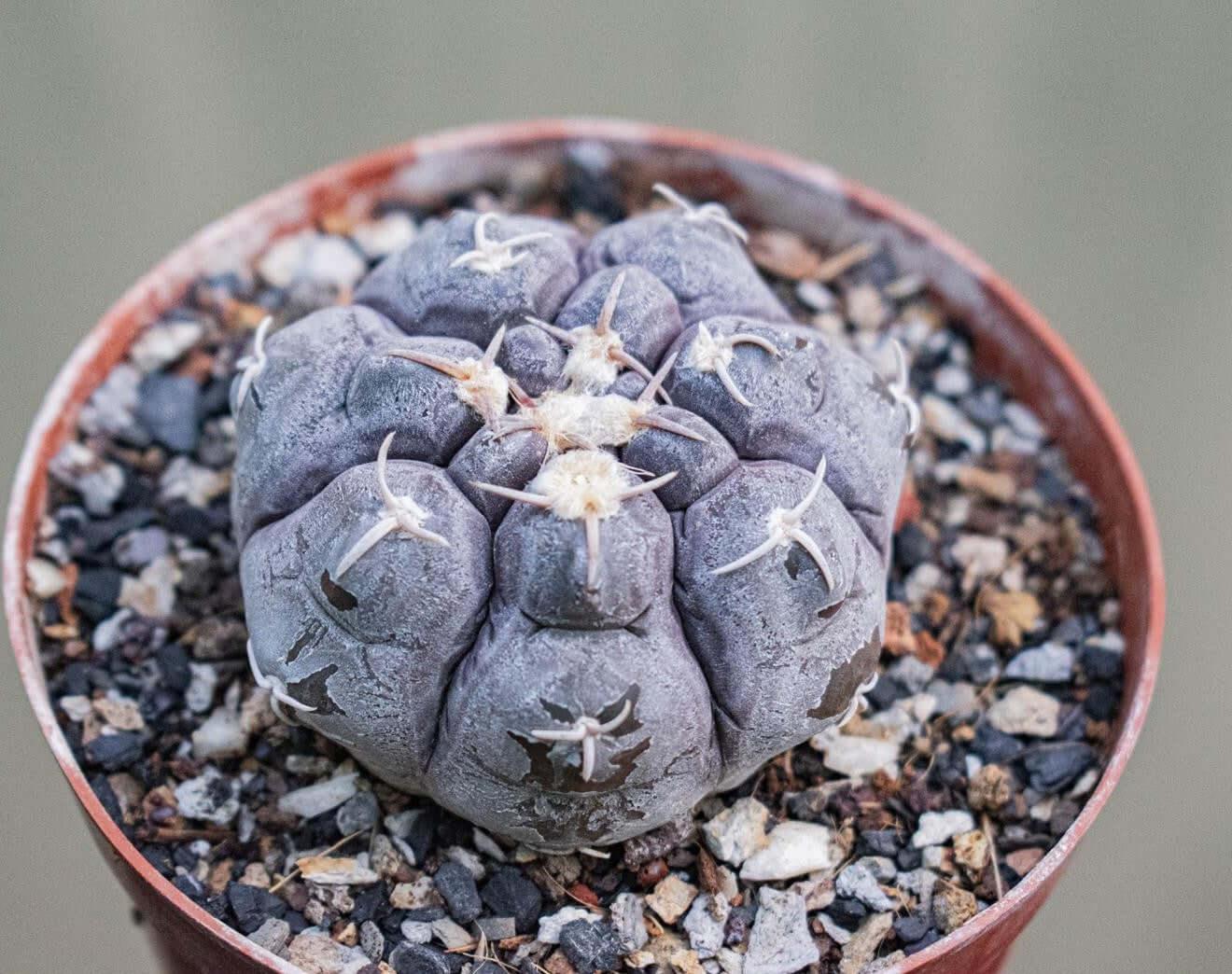
Body: Features a flattened, globular body with a dark greenish-gray to brownish-green epidermis. It is distinctly characterized by a powdery, grayish “frosty” film coating the plant.
-
Spines: Gymnocalycium Prochazkianum white areoles produce elegant, spider-like spines that radiate flat against its prominent ribs.
-
Size: It is a solitary, slow-growing cactus that stays very small, rarely exceeding 4 to 5 inches (10–12 cm) in diameter.
-
Flowers: When mature, Gymnocalycium Prochazkianum produces remarkably large, funnel-shaped flowers that range from pure white to pale pink, often with darker pink centers.
Care Guide
While Gymnocalycium species are generally hardy and drought-tolerant, Gymnocalycium Prochazkianum is slower-growing than its relatives and requires strict attention to drainage to thrive.
| Requirement | Details |
| Light | Prefers bright, filtered sunlight or partial shade (such as under a 40% shade cloth). Direct, harsh afternoon sun can scorch the epidermis and cause dry patches. |
| Water | Only water during the active growing seasons of Spring and Summer, using the “soak and dry” method. It is crucial to keep the plant completely dry during Autumn and Winter dormancy. |
| Soil | Demands a highly porous, gritty mix. Incorporate heavy amounts of pumice, perlite, or Akadama to ensure maximum drainage and airflow to the roots. |
| Temperature | Thrives in warm temperatures during the growing season. While it can tolerate cool dips, it must be protected from winter frost. |
| Potting | Use a pot that is only about an inch (2–3 cm) wider than the cactus body. Oversized pots retain too much moisture and drastically increase the risk of root rot. |
Reviews
There are no reviews yet.