
Stephania Erecta Thai Caudex
The Ultimate Stephania Erecta Thai Caudex Care Guide: How to Grow the Rare Shield-Leaf Caudex
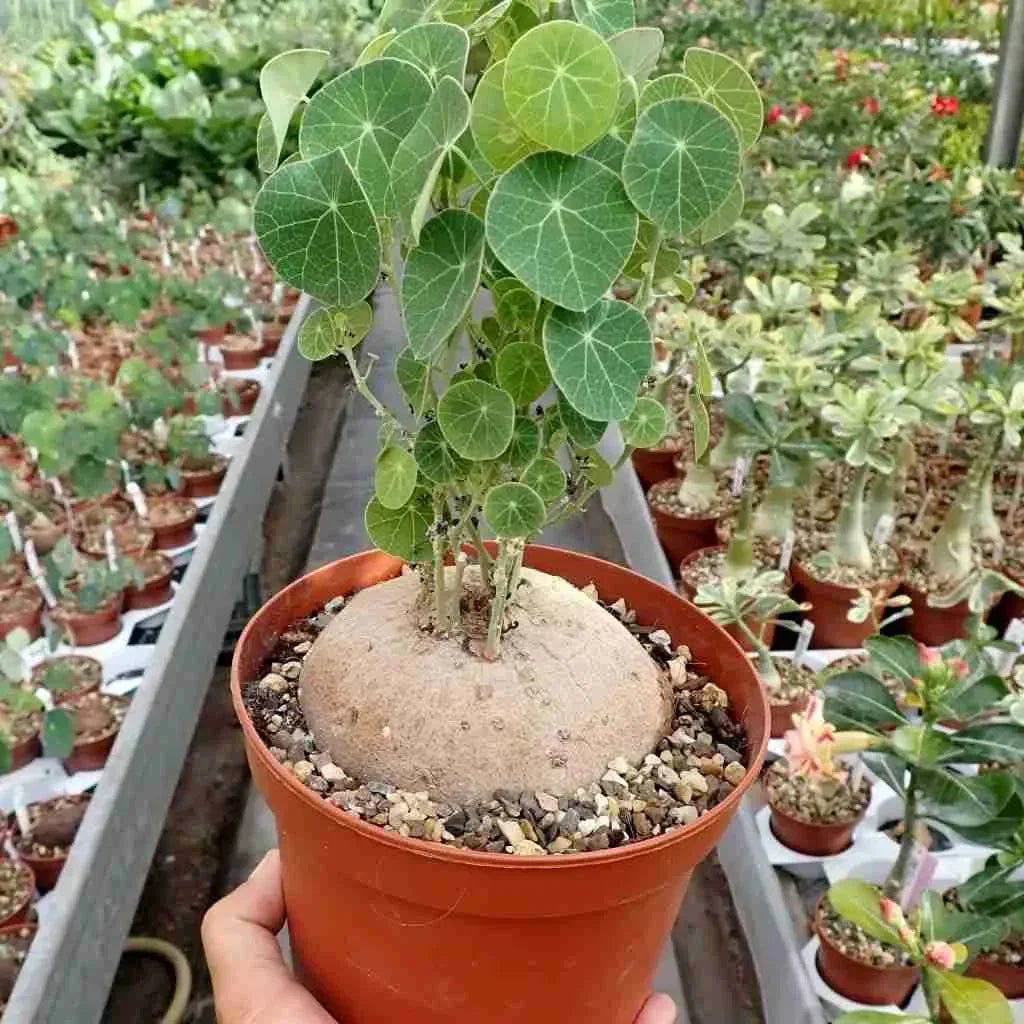
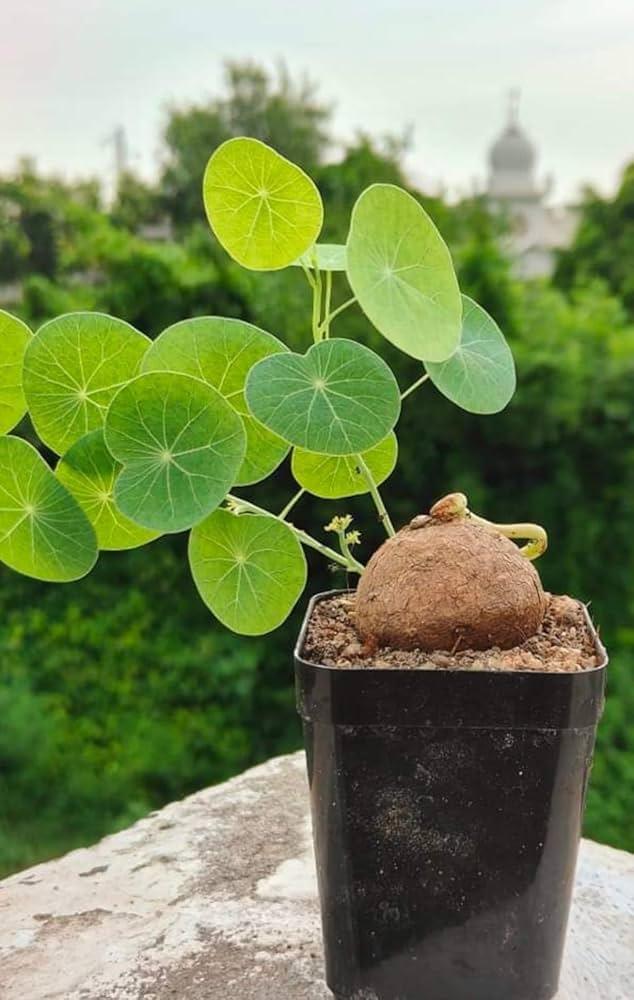
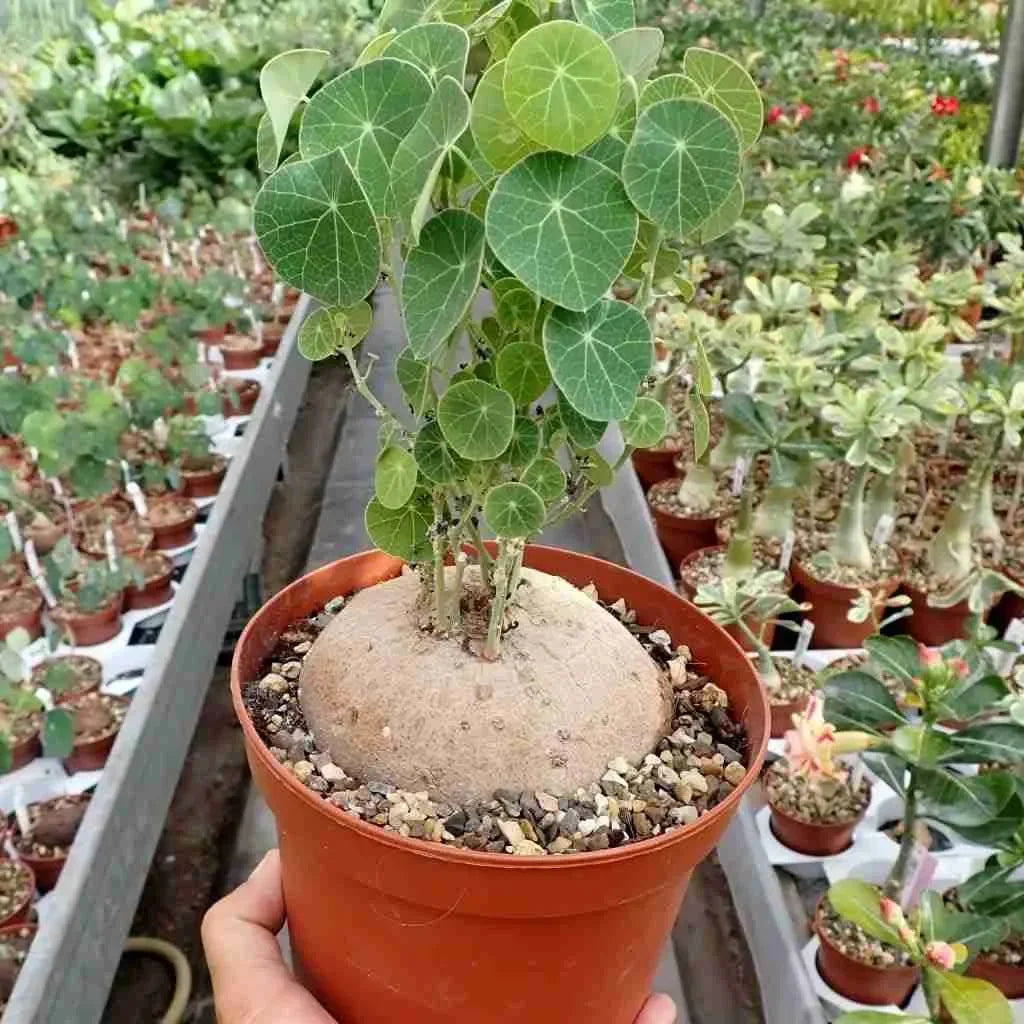
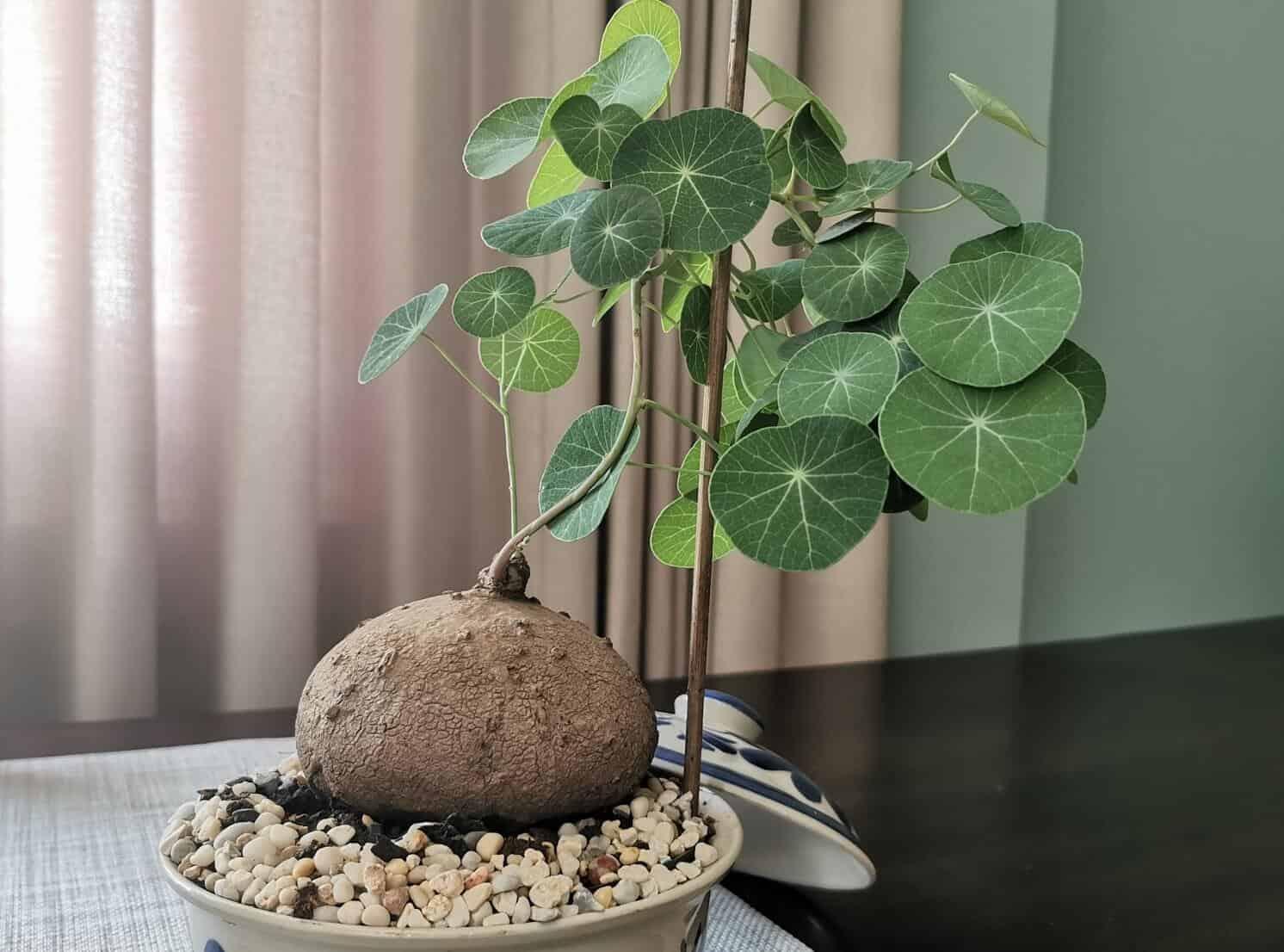
With its woody, potato-like bulb and perfectly round, coin-shaped leaves, Stephania Erecta Thai Caudex has earned a permanent spot at the top of every rare plant collector’s wishlist. Native to the tropical forests of Thailand, this unique caudiciform belongs to the Menispermaceae family and is beloved for its striking geometric contrast: a rugged, textured caudex sprouting delicate, umbrella-like green foliage.
Whether you are looking to purchase your first unrooted bulb or hoping to bring a dormant plant back to life, this guide covers everything you need to know about growing, sprouting, and caring for Stephania erecta.
What Makes Stephania Erecta Special?
Unlike typical tropical houseplants, Stephania erecta is a caudiciform plant—a group characterized by thick, swollen stems or roots designed to store water during periods of drought.
-
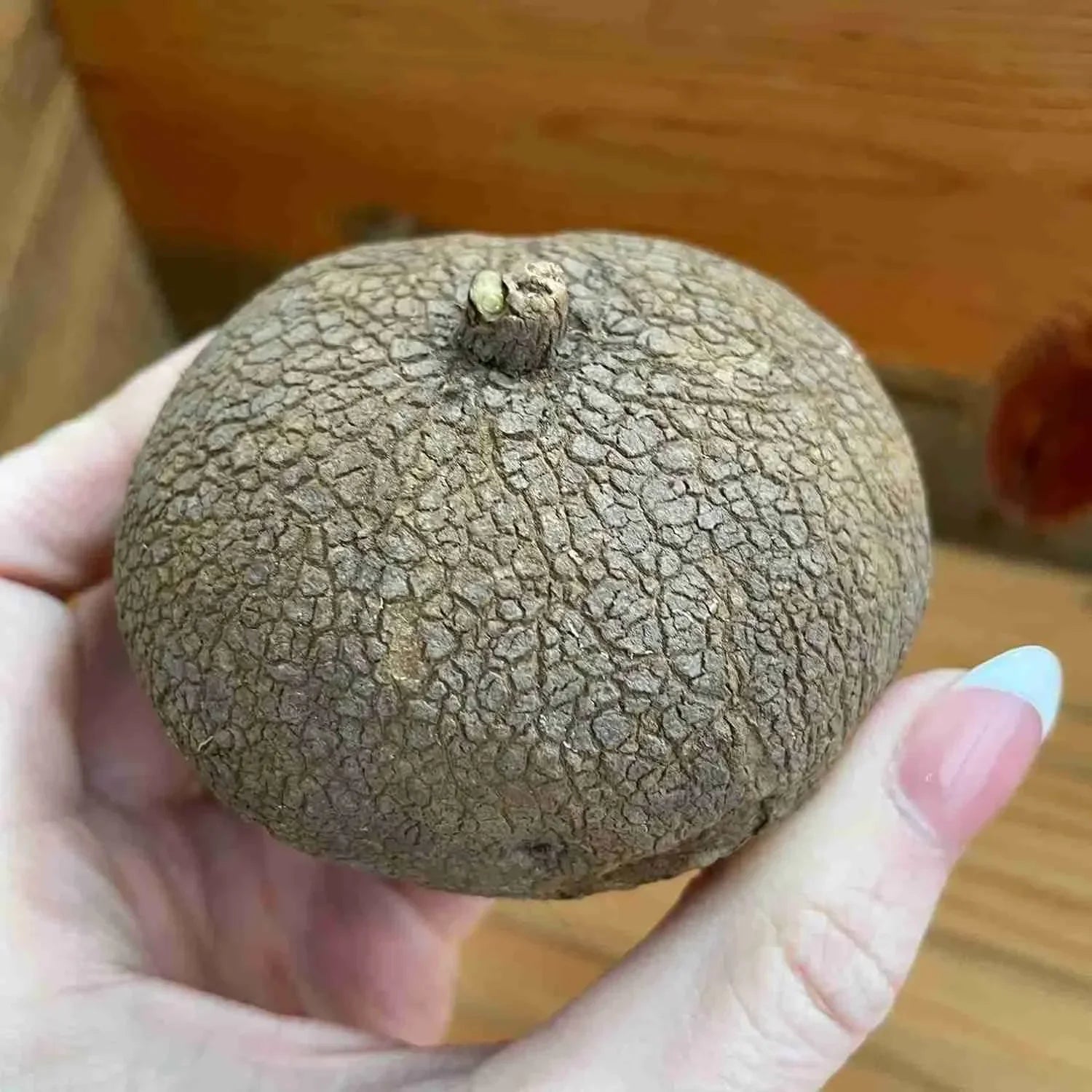
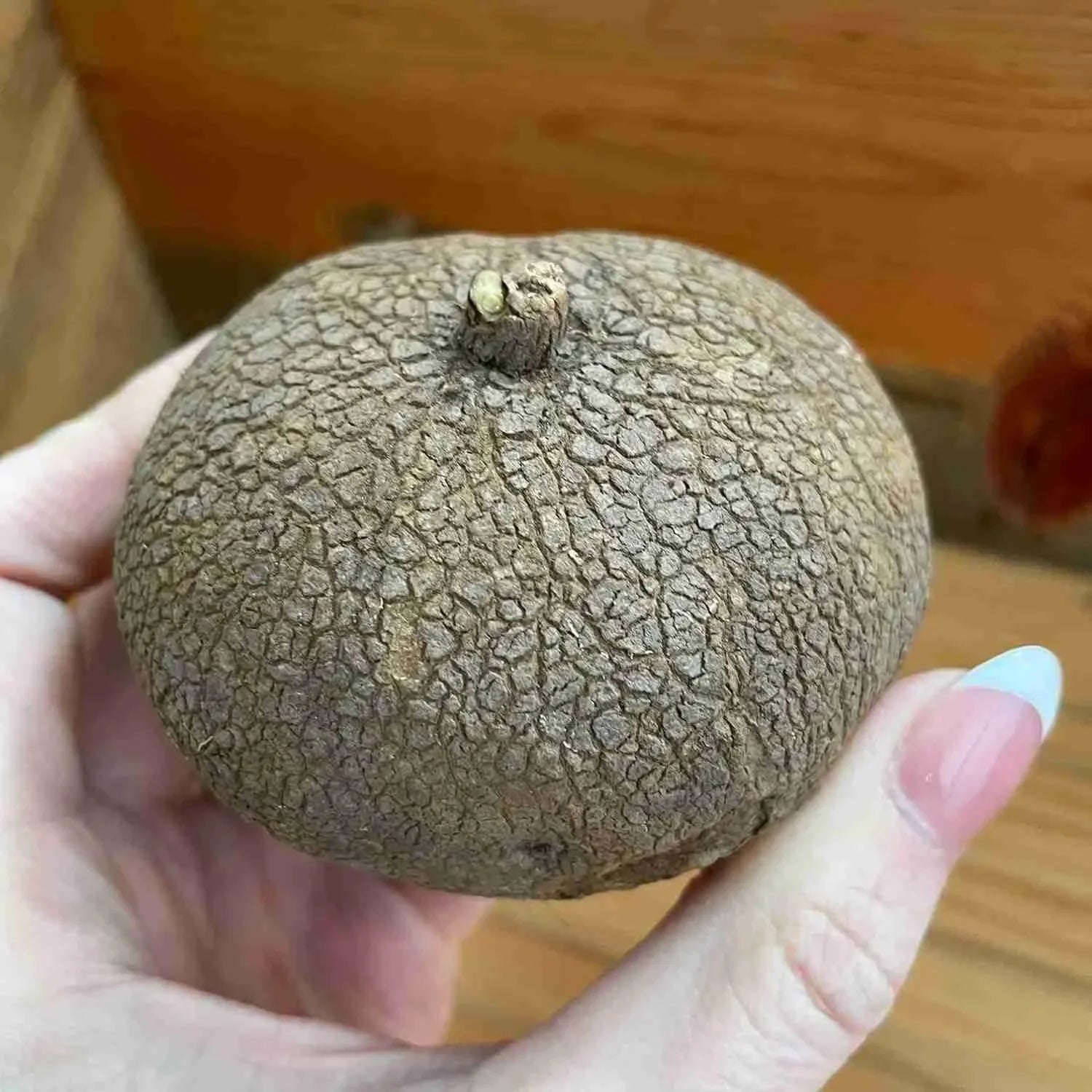
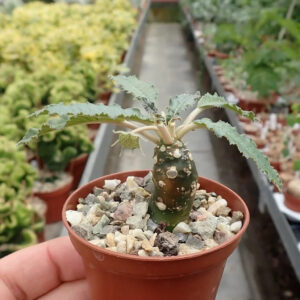
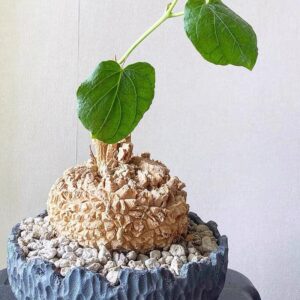
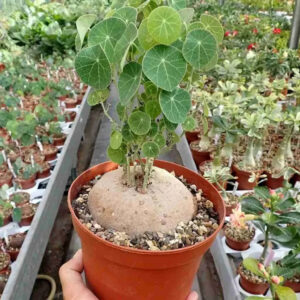
The Caudex: The bulbous base resembles a weathered stone or spherical log. In its natural habitat, much of the bulb remains buried, but collectors elevate it in pots to highlight its sculptural appeal.
-
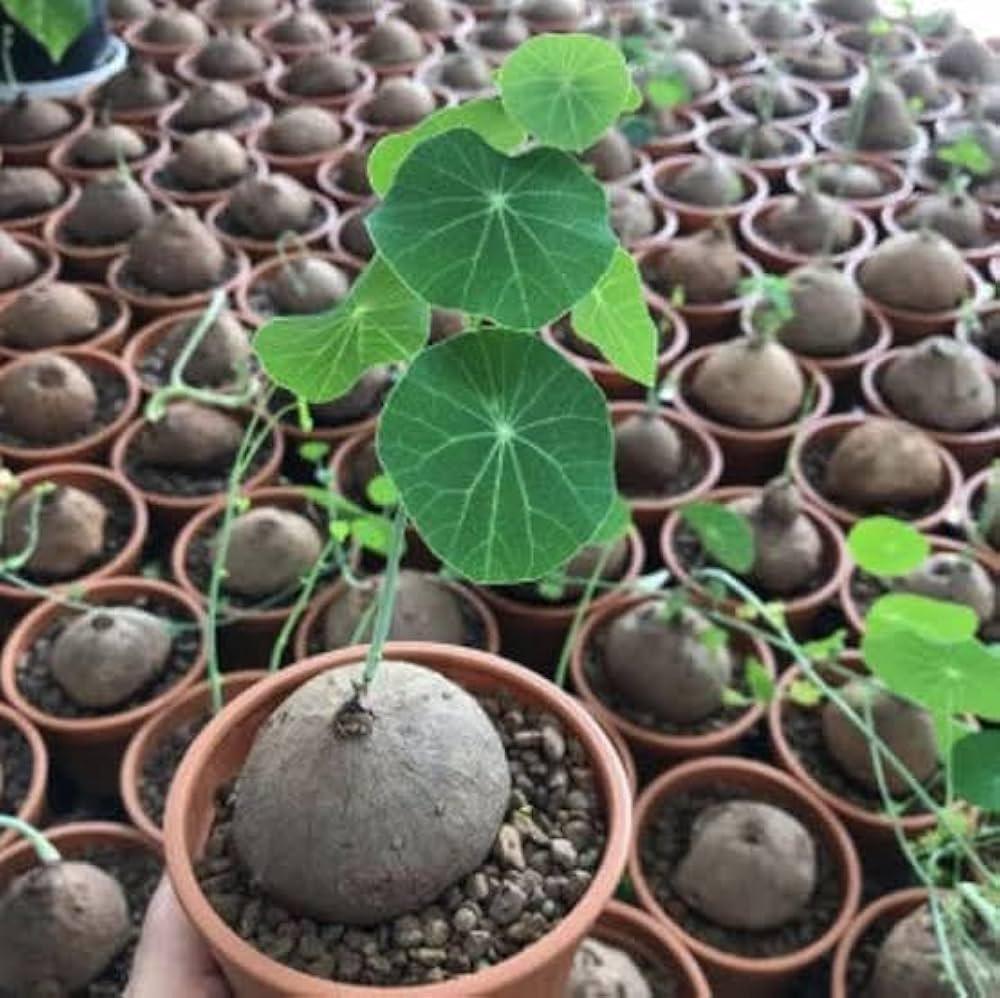
Foliage and Vines: When active, slender, wire-like vines emerge from the top of the caudex, unfurling thin, peltate (shield-shaped) leaves with pale green veins radiating from the center.
-
Growth Cycle: Stephania erecta is a seasonal grower that undergoes strict winter dormancy, dropping all foliage before re-emerging in spring.
Step-by-Step Guide: How to Sprout an Unrooted Bulb
Many collectors purchase Stephania erecta as a bare, rootless bulb. Waking up a dormant caudex requires patience, heat, and high humidity.
-
Identify Top vs. Bottom: The bottom of the bulb is slightly flattened and often shows faint, dried root scars. The top usually features a small indentation or tiny node where previous vines grew.
-
Potted Setup: Fill a pot with a porous, free-draining soil blend (60% pumice or perlite combined with 40% succulent soil). Rest the bulb on top of the soil, pressing it down lightly so it sits one-third buried.
-
Humidity & Heat: Stephania erecta needs warm temperatures (22–28°C / 72–82°F) and elevated humidity to break dormancy. Place a clear plastic dome or bag loosely over the pot to trap moisture, or use a germination heat mat.
-
Watering During Sprouting: Keep the substrate barely damp. Do not overwater or soak the bulb, as an unrooted caudex cannot absorb excess moisture and will easily rot. Sprouting can take anywhere from two weeks to several months.
Daily Care Instructions for Growing Success
Once your Stephania erecta has established roots and produced vines, maintain these care conditions to keep the foliage lush and vibrant.
Light Requirements
Stephania Erecta Thai Caudex prefers bright, indirect light. Place it near an east-facing window or a few feet away from a bright south/west window. Direct midday sun will quickly scorch the thin leaves, while insufficient light leads to long, stretched-out (etiolated) vines with small, pale foliage.
Soil & Potting
A fast-draining, gritty mix is mandatory. Standard potting soil holds too much moisture, which can decay the swollen base. A mix of pumice, coarse sand, perlite, and a small portion of coco coir ensures air reaches the root system. Choose a terracotta pot with drainage holes to allow the soil to dry evenly.
Water Strategy
Watering a caudiciform requires a balanced approach:
-
Active Season (Spring–Summer): Water thoroughly around the edges of the pot when the top 50% of the soil has dried out. Never pour water directly on top of the caudex, as water pooling in the crevices invites fungal rot.
-
Dormancy (Autumn–Winter): As days shorten, the plant will shed its leaves. Stop watering completely during dormancy. Keep the dry bulb in a cool, protected spot until spring returns.
Temperature & Humidity
Because it originates from tropical Indochina, Stephania Erecta Thai Caudex thrives in moderate to high humidity (50% or higher). Protect it strictly from cold drafts and temperatures below 15°C (59°F).
Troubleshooting Common Issues with your Stephania Erecta Thai Caudex
-
Yellowing Leaves: Often a sign of overwatering or natural preparation for dormancy in autumn. Reduce moisture immediately if yellowing occurs during summer.
-
Squishy Caudex: A soft, mushy bulb indicates root or stem rot from excess water or poorly draining soil. Unfortunately, advanced rot is difficult to reverse.
-
Slow Growth: If the bulb has not sprouted after several weeks, increase ambient heat and humidity, ensuring the plant receives adequate indirect light.
Elevate Your Indoor Jungle
Stephania Erecta Thai Caudex brings a distinctive, minimalist aesthetic to modern interior spaces and rare plant collections. By honoring its natural wet-and-dry seasonal cycles, providing high-drainage soil, and protecting its caudex from direct watering, you can enjoy this remarkable tropical succulent for years to come.
Reviews
There are no reviews yet.