
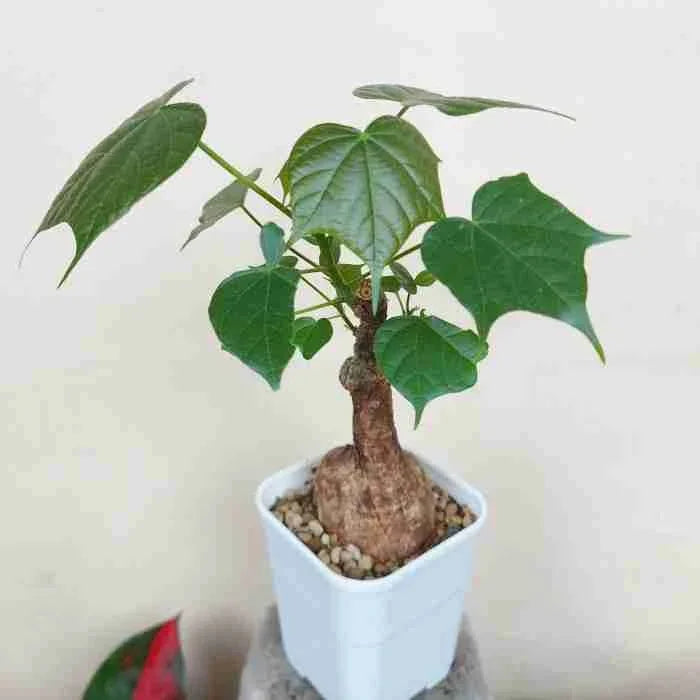
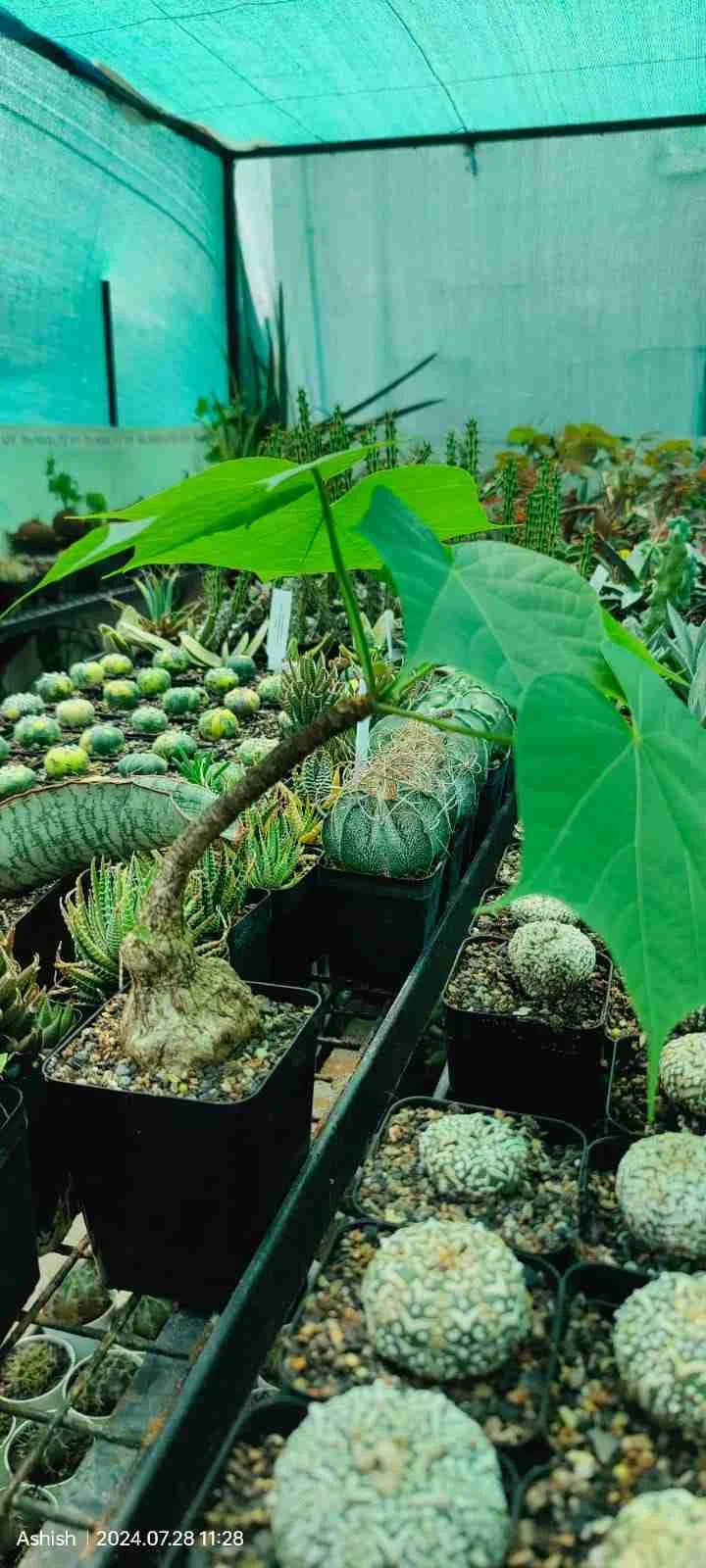
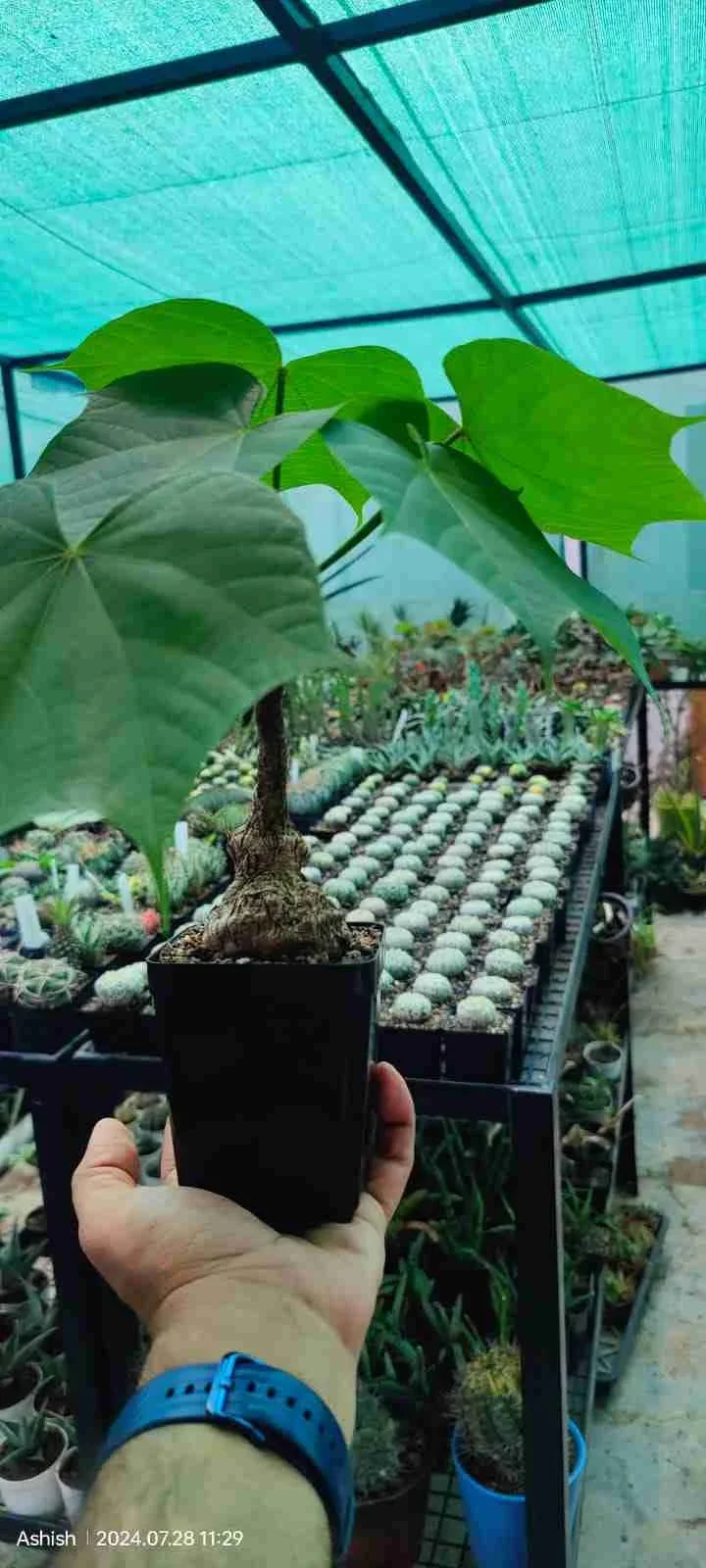
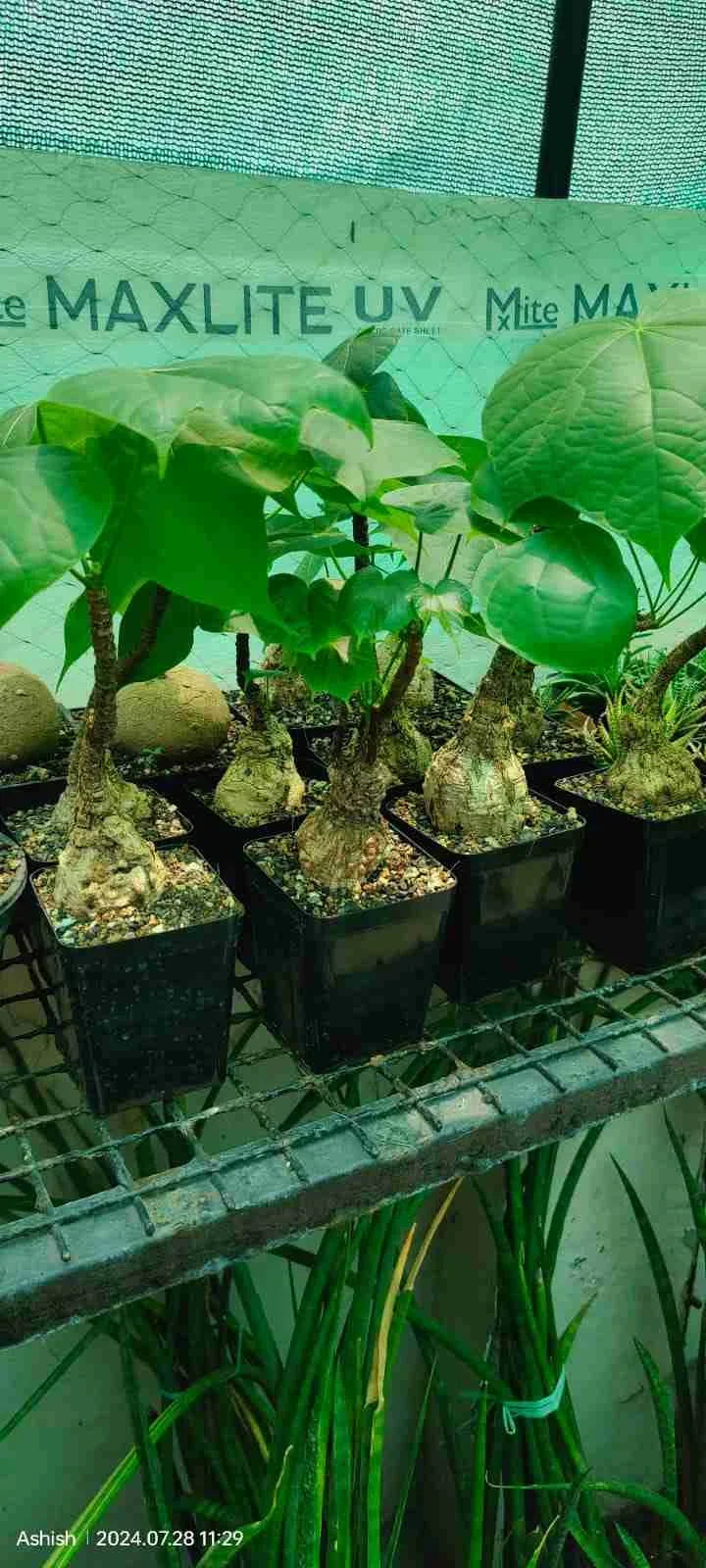
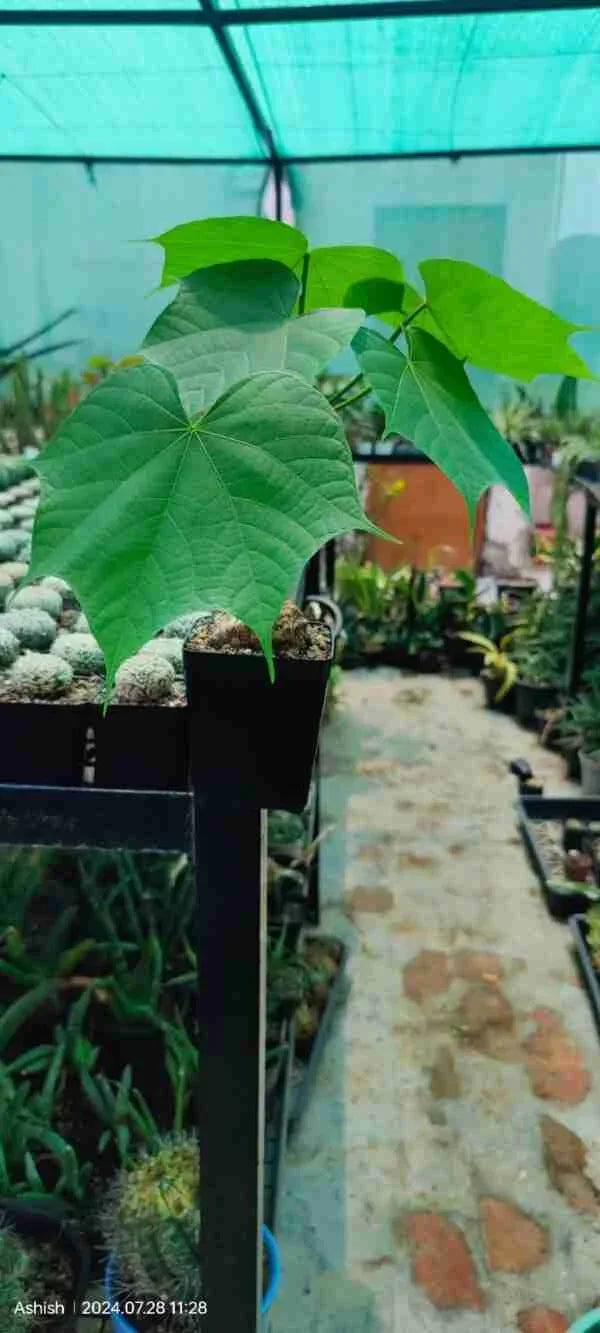
Sterculia colorata aka Firmiana colorata
Firmiana colorata (formerly classified as Sterculia colorata) is a medium-sized deciduous tree native to South and Southeast Asia, belonging to the mallow family (Malvaceae). It is widely known as the Scarlet Sterculia or Colored Sterculia.
Firmiana colorata—formerly classified as Sterculia colorata—is one of the most striking drought-deciduous ornamental trees native to South and Southeast Asia. Renowned for its vivid display of fiery orange-red flowers on bare branches and its striking swollen base, this member of the Malvaceae family has become a highly sought-after specimen among rare plant collectors, caudiciform enthusiasts, and landscape designers.
Whether you know it as the Scarlet Sterculia, Colored Sterculia, or Bodula, understanding its natural habitat and growth habits is essential to successfully cultivating this tropical stunner.
What Makes Sterculia Colorata aka Firmiana Colorata Unique?
Native to dry deciduous forests across India, Sri Lanka, Myanmar, Thailand, and Vietnam, Sterculia Colorata aka Firmiana Colorata has evolved unique adaptations to thrive through extreme seasonal shifts.
-
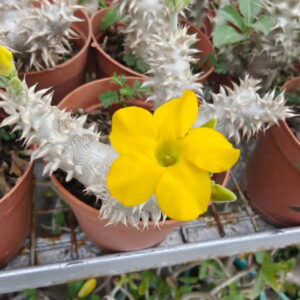
Spectacular Bare-Branch Bloom: During early spring or the dry season, the tree sheds all its leaves before producing dense clusters of tubular, scarlet to brilliant orange flowers. Covered in fine, velvety hairs, the blooms create a fiery contrast against bare bark.
-
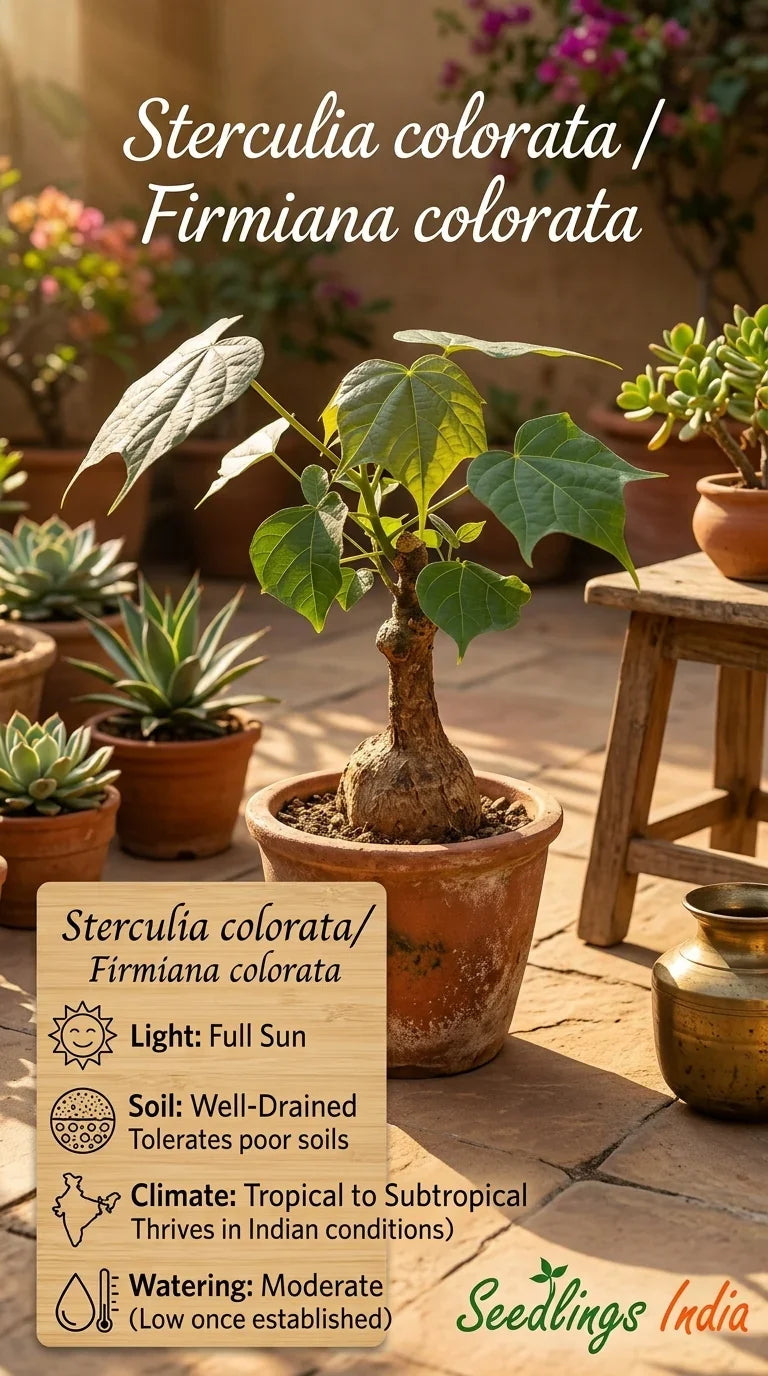
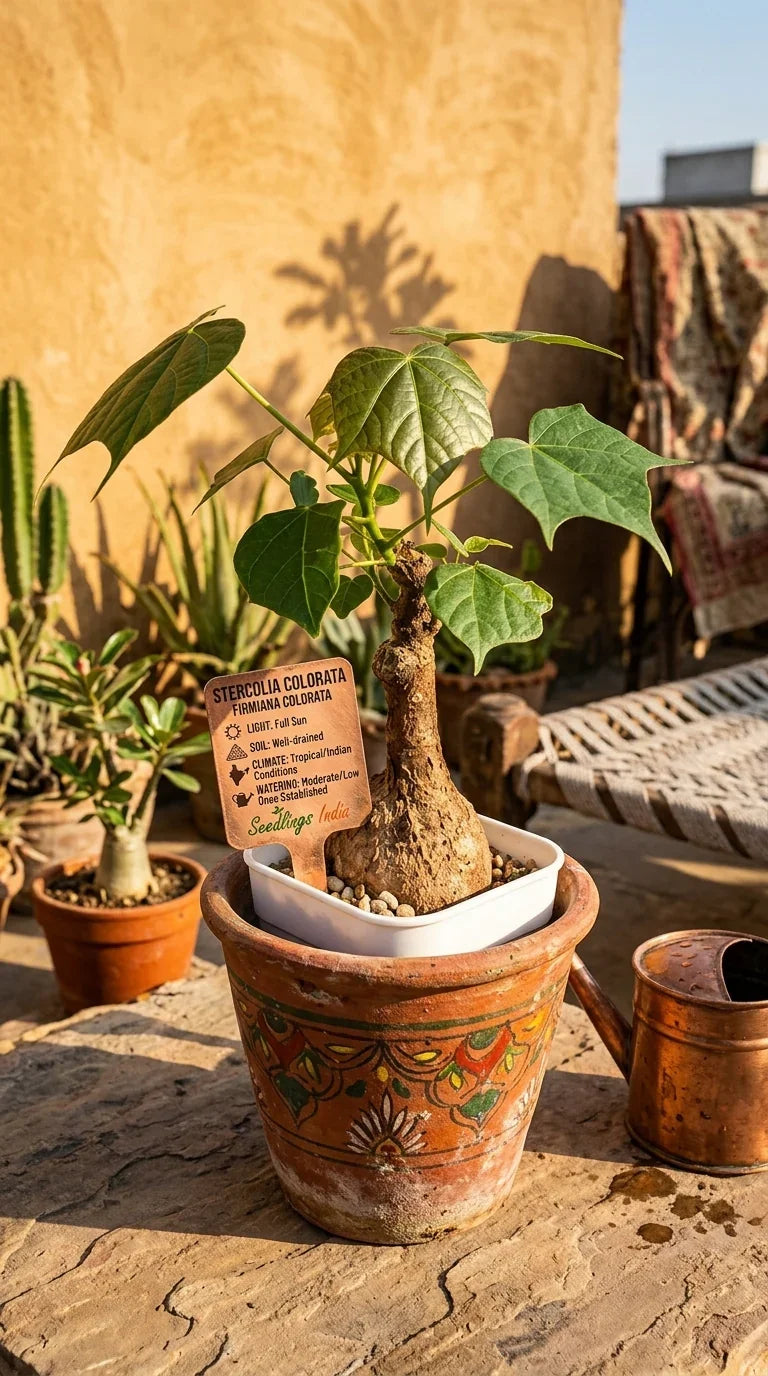
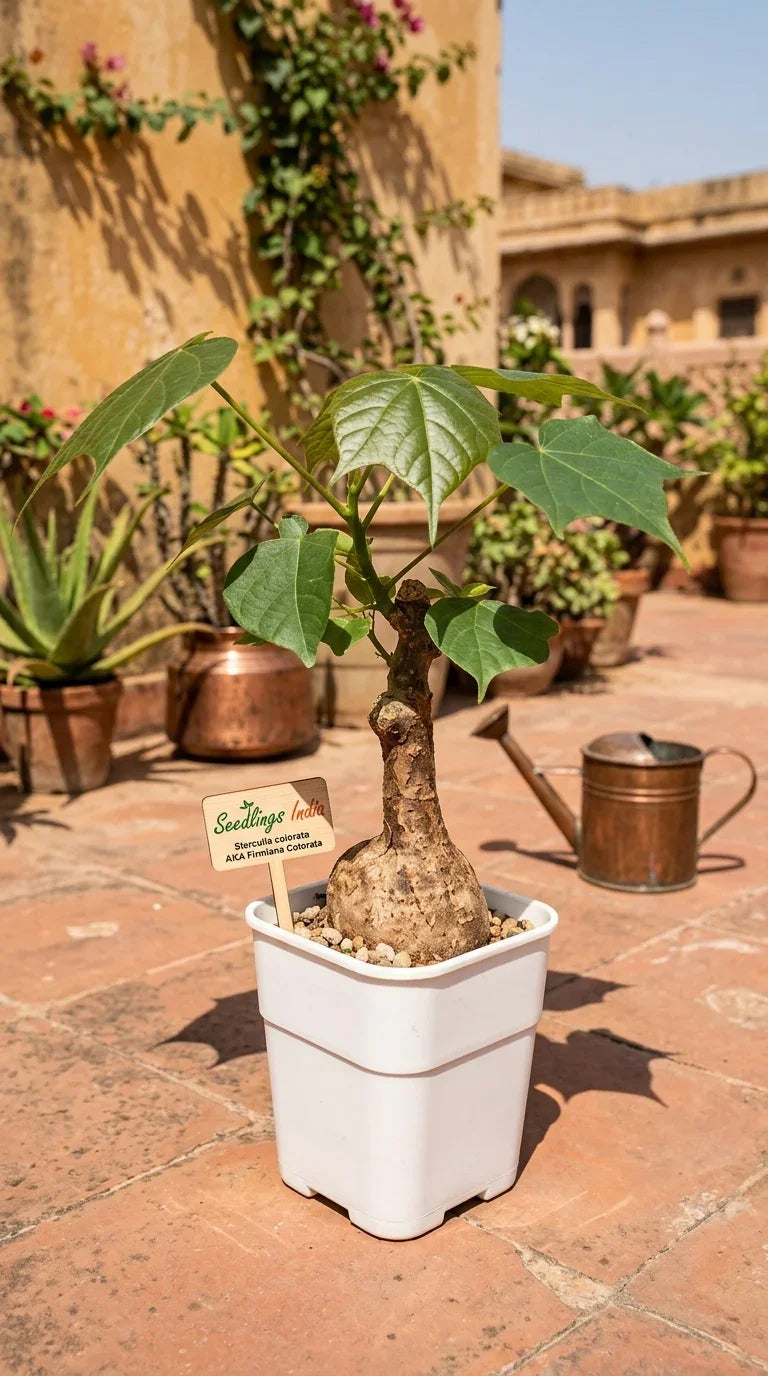
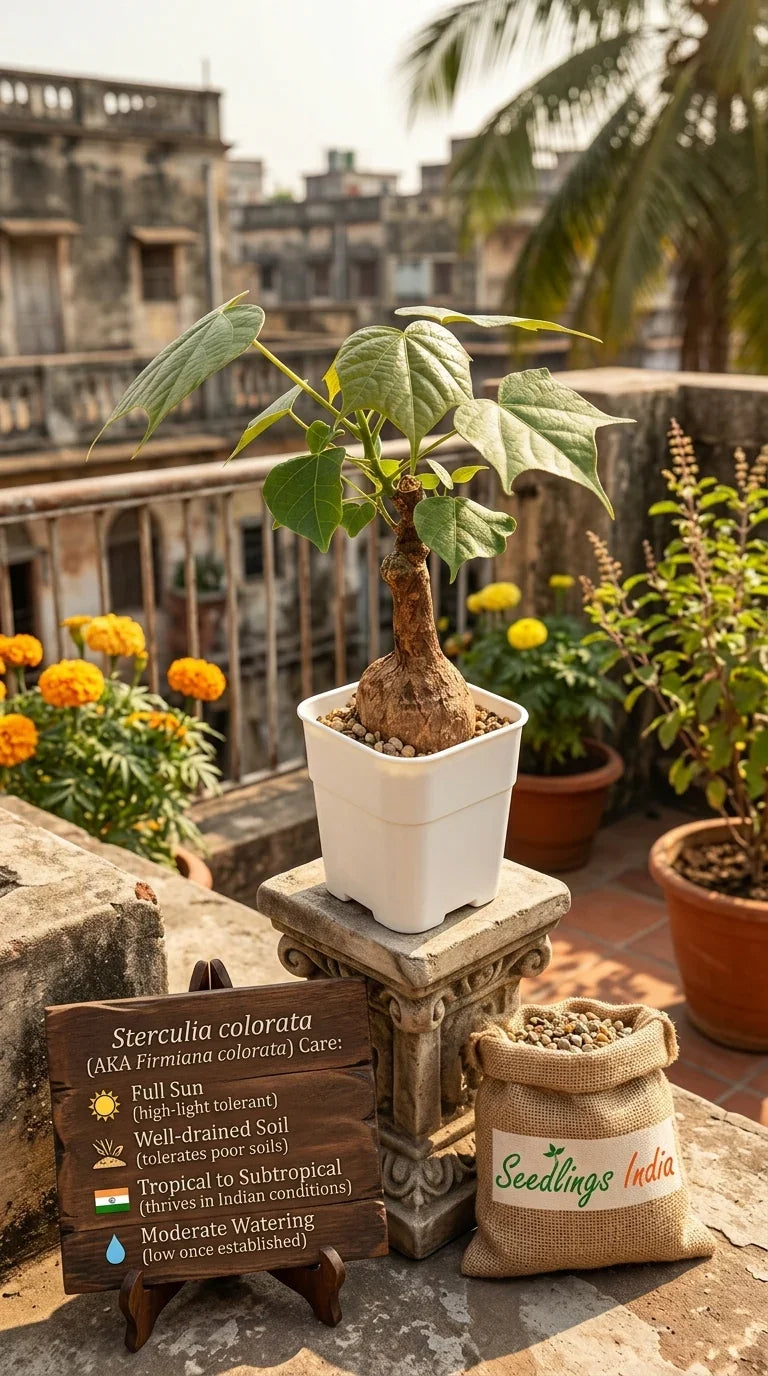
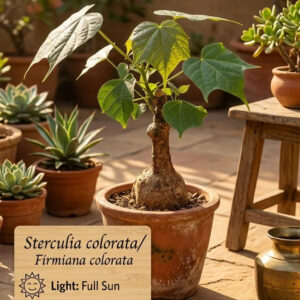
Caudiciform Trunk: In its juvenile stages—or when trained in containers—the base of the stem swells significantly to form a thick, water-storing caudex. This feature makes it a prized candidate for bonsai culture.
-
Palmate Summer Foliage: Once the flowering period ends, the tree puts out broad, deeply lobed, palm-like green leaves that form a lush canopy throughout the rainy growing season.
Optimal Growing Conditions and Care Guide
Cultivating Sterculia Colorata aka Firmiana Colorata requires replicating its native tropical dry-forest environment. Success relies on balancing strong sunlight, excellent drainage, and sharp seasonal watering adjustments.
1. Light and Placement
To achieve a stout caudex and heavy spring flowering, provide full sunlight to strong, bright indirect light. Indoors or in greenhouses, place the plant near a south-facing window. Outdoors, ensure it receives at least six hours of direct sunlight daily during its active vegetative growth.
2. Soil and Drainage Requirements
Root rot is the single biggest threat to Sterculia Colorata aka Firmiana Colorata, especially during winter or dormancy.
-
Use an exceptionally gritty, fast-draining potting medium.
-
A blend composed of 60% inorganic material (pumice, perlite, lava rock, coarse sand) and 40% quality organic compost works best.
-
Ensure terracotta or plastic pots have ample drainage holes to prevent standing water.
3. Watering Strategy (Seasonal Adjustments)
Watering must align with the tree’s active growth stages:
-
Spring to Late Summer (Active Growth): Water thoroughly when the top two inches of soil feel dry. Keep the soil evenly moist but never waterlogged while foliage is active.
-
Autumn to Winter (Dormancy): As temperatures drop and leaves begin to turn yellow and drop, dramatically reduce watering. Once completely leafless, cease watering almost entirely. The swollen stem holds sufficient moisture to sustain the plant through its winter rest.
4. Temperature and Hardiness
Firmiana colorata is heat-loving and frost-sensitive. It thrives in temperatures between 20°C and 35°C (68°F to 95°F). Protect the plant from temperatures below 10°C (50°F), as cold, damp conditions can trigger root decay.
Propagation of Sterculia Colorata aka Firmiana Colorata
Propagating Sterculia Colorata aka Firmiana Colorata is typically accomplished through seeds, which yield the best caudex development.
Reviews
There are no reviews yet.