
Pachypodium Brevicaule
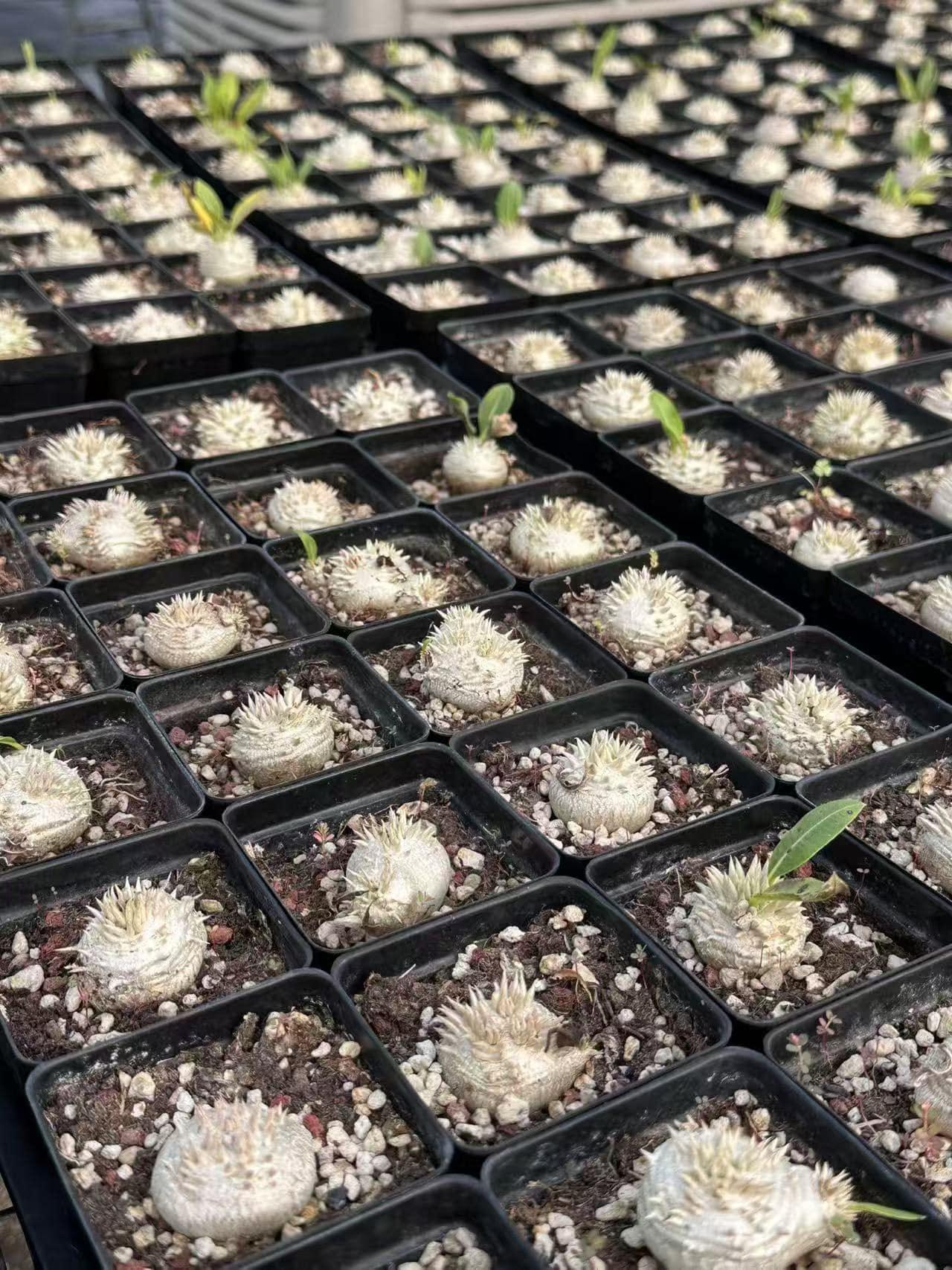
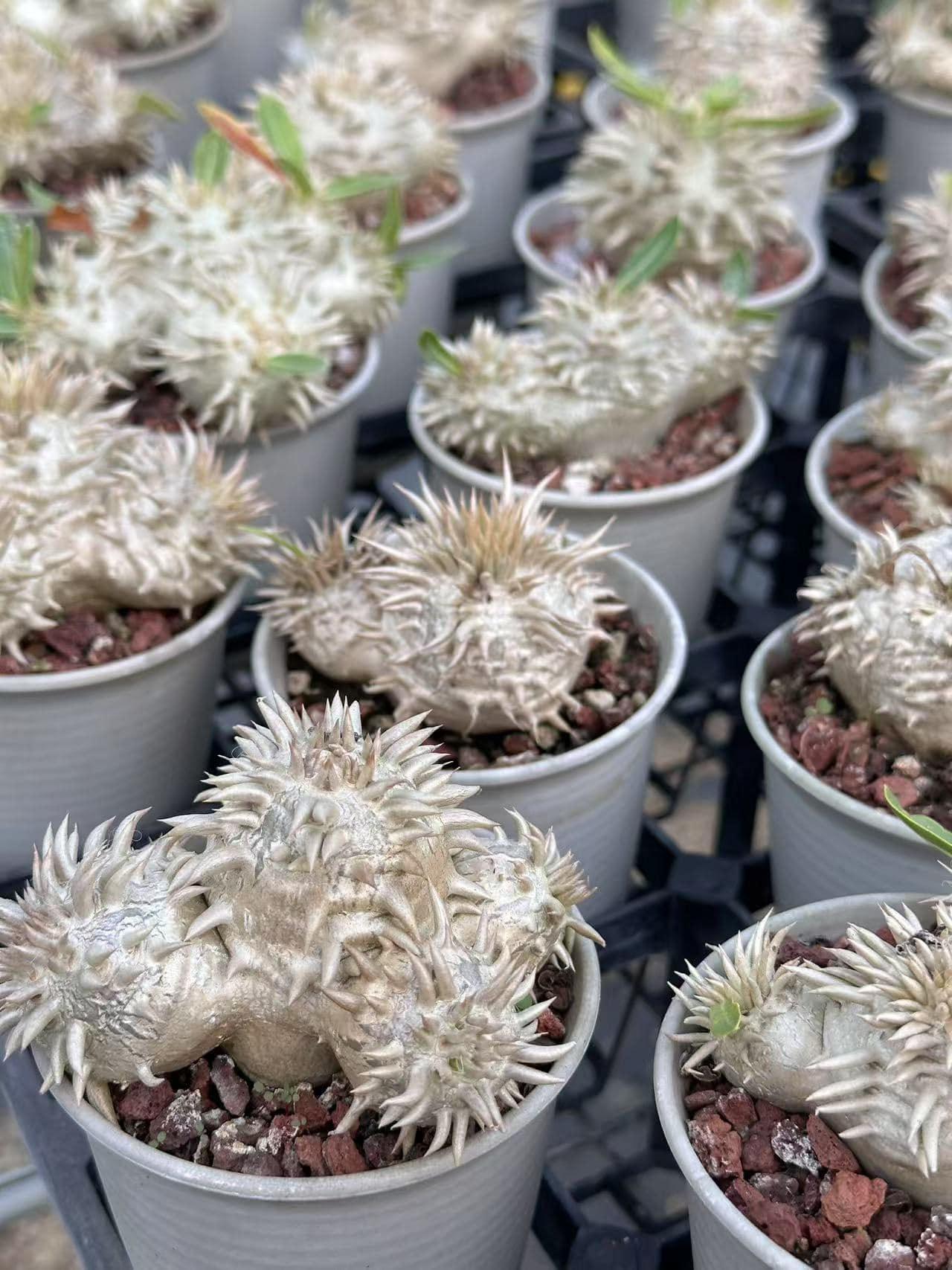
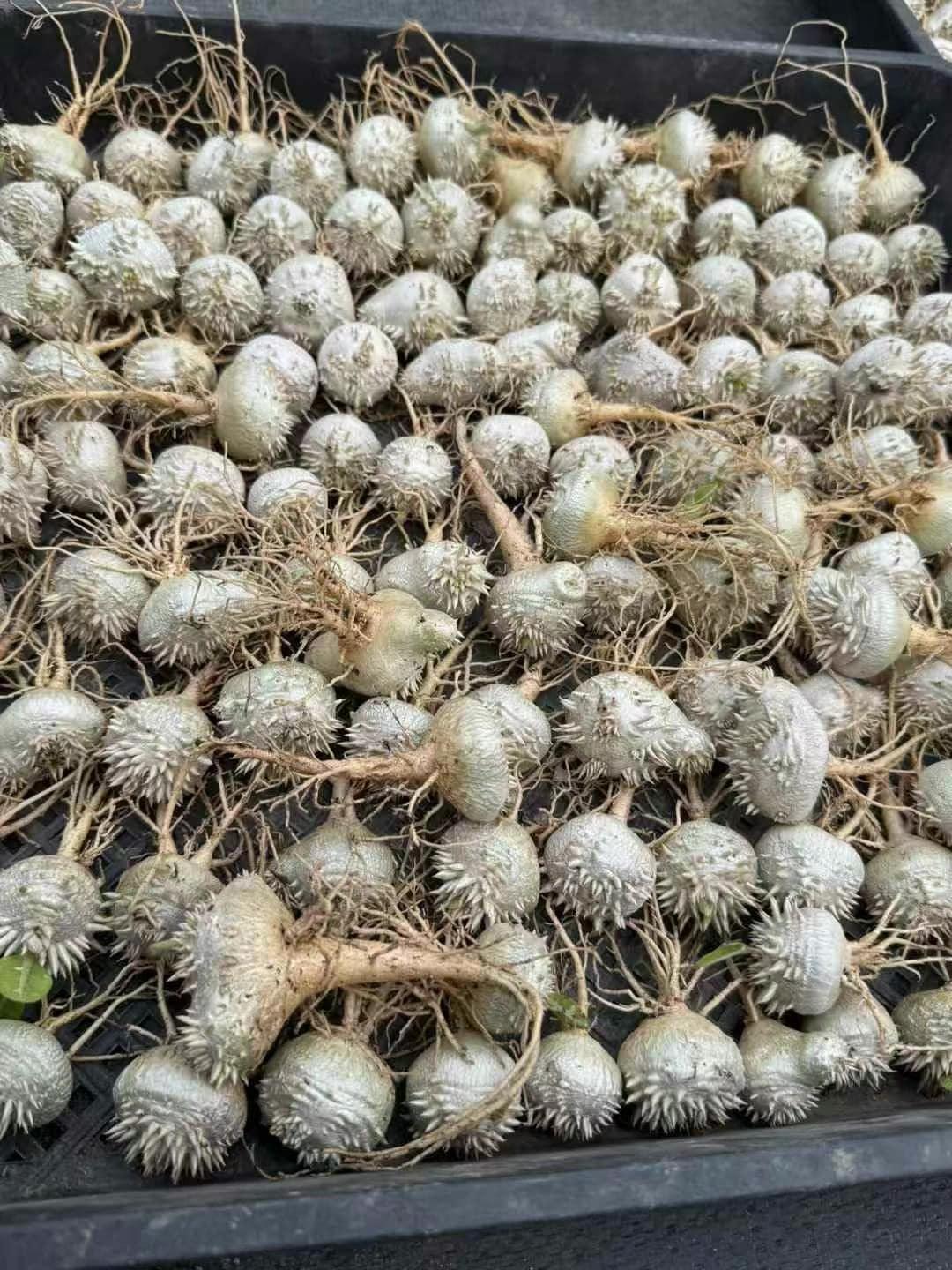
Pachypodium brevicaule is arguably the most famous and distinctive dwarf caudiciform succulent native to the central highlands of Madagascar. Belonging to the dogbane family (Apocynaceae), its species name brevicaule translates to “short-stemmed,” referring to its compressed, silver-grey trunk that resembles a flattened rock or silver cow dung in habitat.
Key Characteristics
-
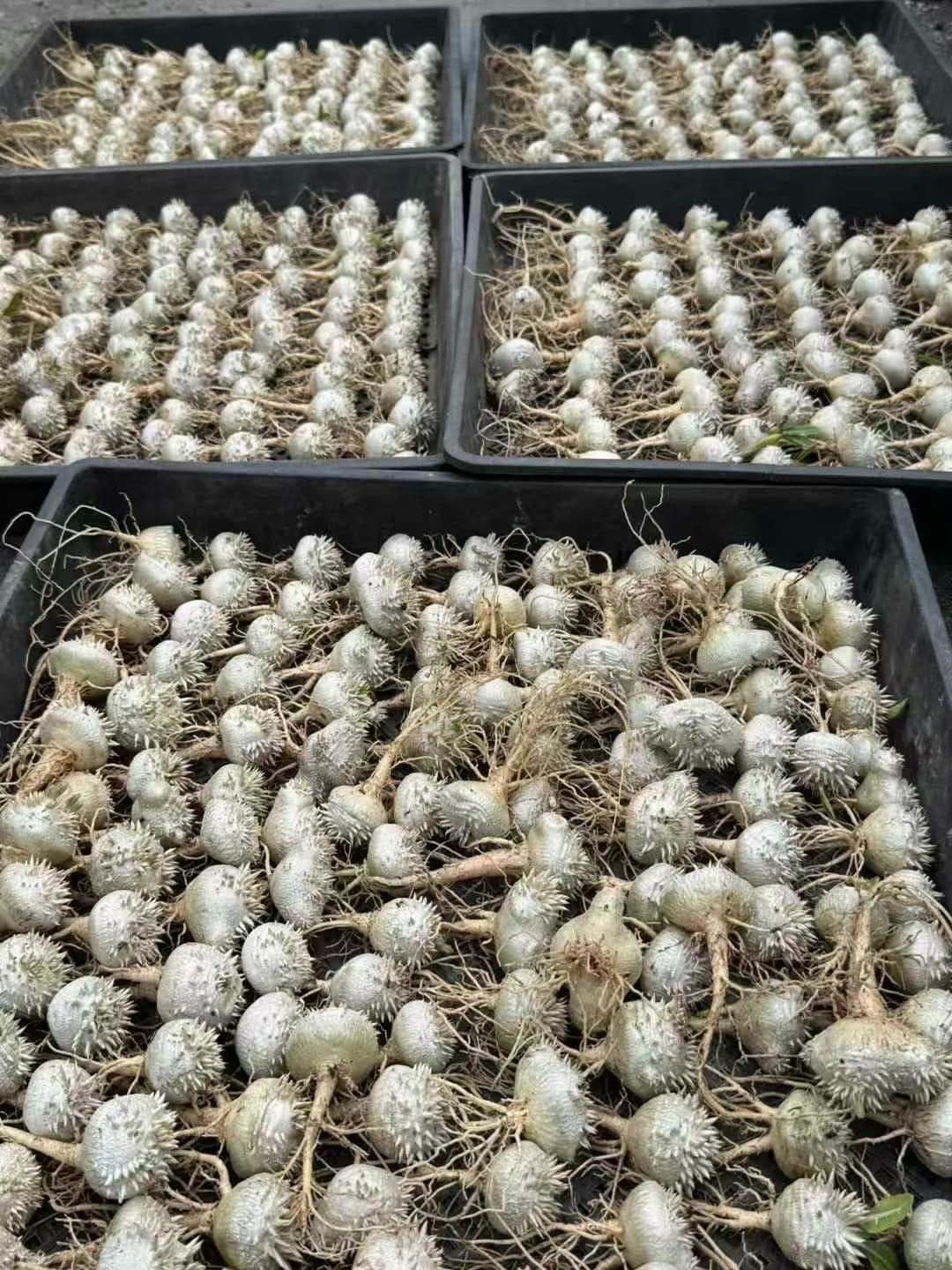
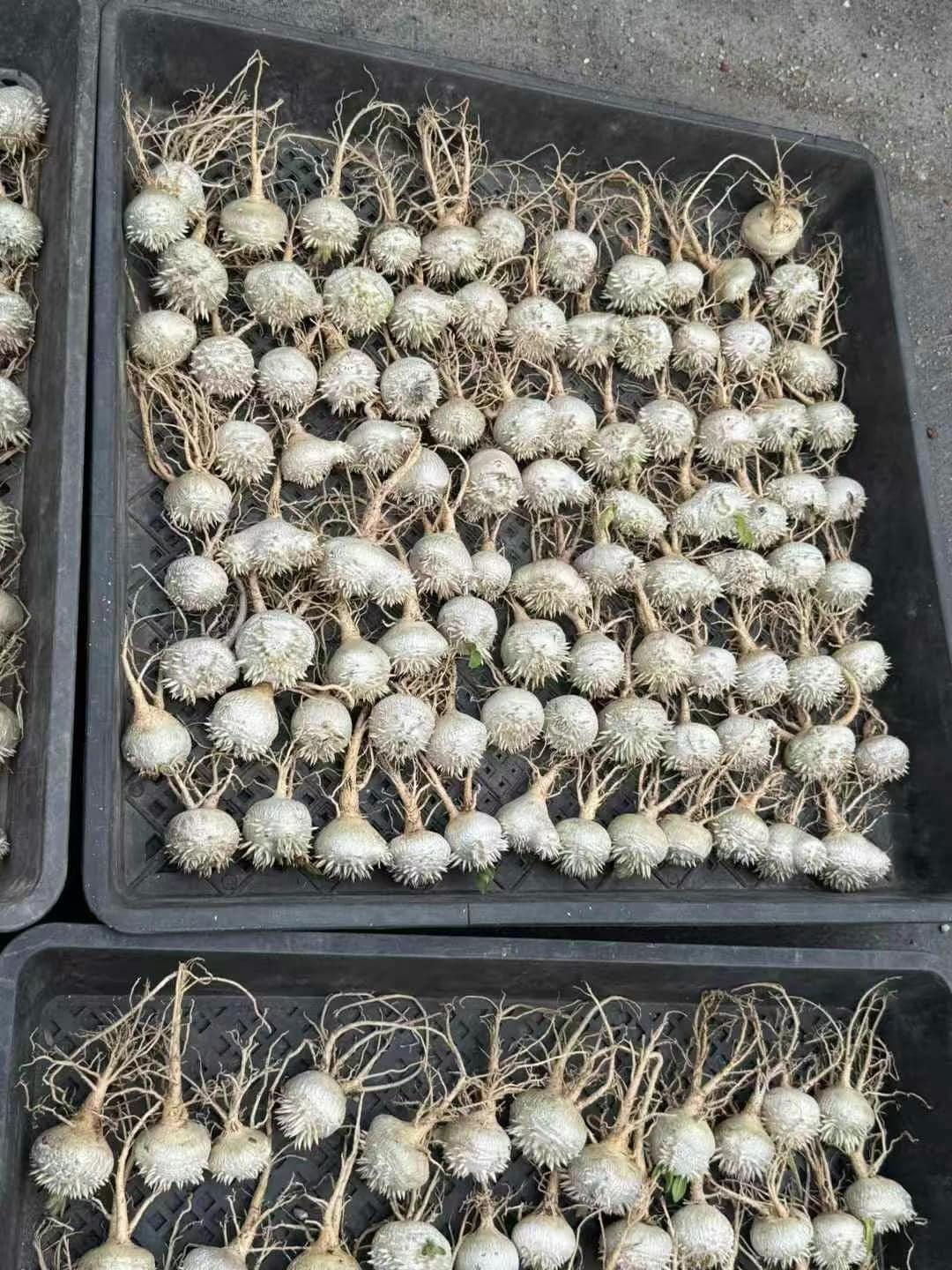
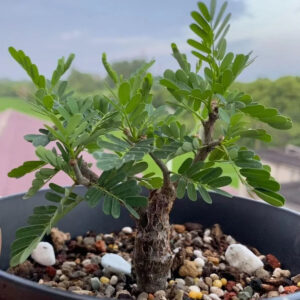
Flattened Caudex: Unlike column-forming Pachypodium species, Pachypodium Brevicaule expands horizontally rather than vertically, forming a low-profile, silver-grey caudex covered in small conical spines.
-
Compact Foliage: Produces short, rosette-like clusters of bright green, ovate leaves directly from growing points across the top of the caudex.
-
Vivid Yellow Flowers: In spring and early summer, short pedicels bear bright, showy, bright-yellow tubular blooms that create a stark contrast against the weathered silver stem.
Essential Care Overview
Pachypodium brevicaule has a reputation among caudiciform enthusiasts for being somewhat delicate, primarily due to its susceptibility to overwatering during dormancy and sensitivity to cold, wet substrates.
| Care Aspect | Requirement |
| Light | Full, direct sun. Requires intense light to maintain a compact, flattened shape and prevent stem rot. |
| Substrate | Highly porous, acid-leaning mineral mix (75%–80% inorganic: pumice, granite grit, coarse sand, akadama). Avoid alkaline lime/chalk soils. |
| Watering |
Growing Season (Summer): Water thoroughly when the substrate dries out completely.
Dormancy (Winter): Withhold water almost completely once leaves drop. Keep dry and warm. |
| Temperature | Strictly warm-growing. Maintain temperatures above 15°C (59°F). Protect completely from cold drafts and frost. |
| Grafted vs. Own-Roots | Specimens are frequently sold grafted onto Pachypodium lamerei or P. saundersii rootstock to make them hardier and faster-growing. Seed-grown plants on their own roots require extra care with moisture management. |
Pachypodium brevicaule originates from the high-altitude central highlands of Madagascar, spanning from south of Antananarivo down through the Itremo Massif.
Natural Habitat & Environmental Adaptation
-
Elevated Altitude: Native to mountain ranges between 1,250 and 2,000 meters above sea level. The region experiences bright sunlight alongside significant temperature drops, particularly at night.
-
Rock Outcrops & Fissures: It grows directly on open, exposed sandstone domes and granite rock crevices. Its low-profile, silver-grey caudex acts as camouflage, mimicking local rock formations.
-
Acidic Substrate: Adapted to highly acidic, nutrient-poor substrates (pH 3.5 to 4.5) formed by weathering quartz and sandstone.
-
Extreme Seasonal Shifts: Its native environment cycles between a wet, warm summer monsoon season and a cold, hyper-dry winter lasting up to 5 months. The flattened, subterranean-like stem functions as a water reservoir to survive prolonged droughts.
Reviews
There are no reviews yet.