
Rare Sansevieria Varieties in India
Thai hybrids, collector species and variegated snake plants compared by shape, size and price, with care advice for Indian homes.
Last updated 16 November 2026 · Prepared by the Seedlings India team, New Delhi nursery
Rare snake plants available at Seedlings India
A common snake plant is tall, upright and easy to find. The varieties on this page are different: fan-shaped hybrids from Thailand, star-shaped rosettes, plants that “walk” on stilt roots, and paddle-leaved collector forms. They share the toughness of the family but add shape, pattern and rarity. Use the finder below to match a variety to your space, then check the full price list.
-
-
Sale!
 Sansevieria Collection of Plants
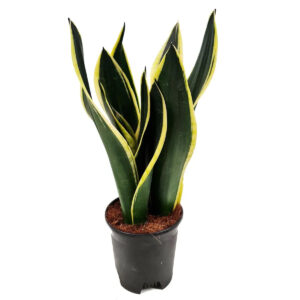
Sansevieria Black Gold
₹899.00Original price was: ₹899.00.₹599.00Current price is: ₹599.00. Add to cart -
-
-
-
-
-
Quick finder: which sansevieria suits you?
Descriptions are summarised from our product pages. Each page has photos and the current size on offer.
| Variety | What it looks like | Price |
|---|---|---|
| Lilliput | Dwarf hybrid with a dense rosette, rarely taller than 10–20 cm | ₹349 |
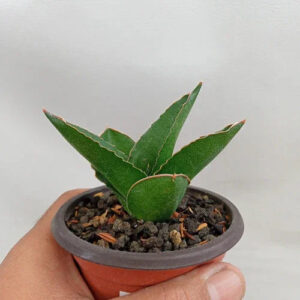
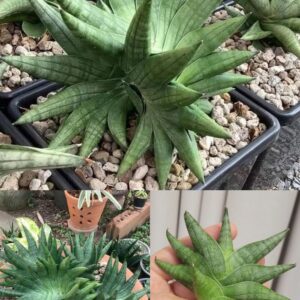
| Boncel | The “starfish” sansevieria, bold and sculptural; parent of Boncel Mini and the variegated form | ₹499 |
| Boncel Mini | A smaller version of Boncel | ₹499 |
| Boncel Variegated | Variegated Boncel, priced as a collector plant | ₹1,599 |
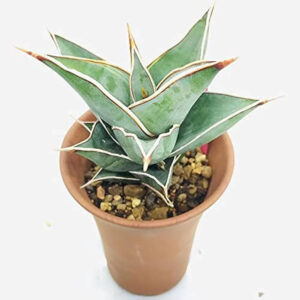
| Sawasdee | Compact, fan-shaped hybrid from Thailand with light-green leaves, silver-green banding and dark margins | ₹1,299 |
| Andaman | Fan-shaped hybrid with a compact footprint, sought after by collectors | ₹800 |
| Moose | Broad, thick, paddle-like leaves arching in a compact rosette | ₹649 |
| Rockman | Semi-dwarf hybrid, about 30–60 cm, with very thick, rigid, upright leaves | ₹1,099 |
| Kirkii | Star sansevieria from coastal East Africa: a low, wide rosette of thick leathery leaves | ₹749 |
| Pinguicula | The “walking” snake plant from eastern Kenya, with offsets held up on stilt-like roots | ₹899 |
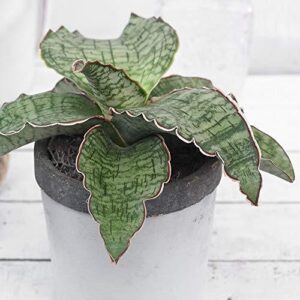
| Masoniana Variegated | Variegated “whale fin” with large paddle-shaped leaves and creamy stripes | ₹990 |
| Cylindrica | The African spear plant from Angola, with round, upright leaves | ₹649 |
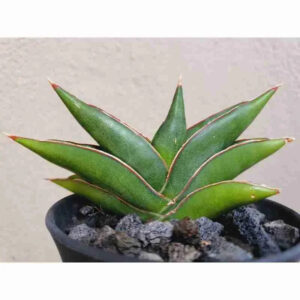
| Black Gold | Flat-leaved snake plant with a dark emerald centre and thick yellow margins | ₹599 |
| Metallica Siam Silver | Tall, upright, spear-like leaves with a silvery metallic sheen | ₹600 |
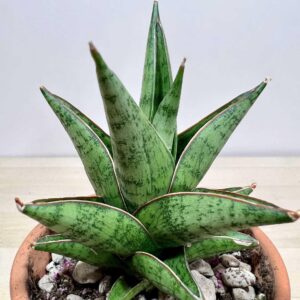
| Brazilian Moonshine | A patterned form of the silvery-green Moonshine snake plant | ₹699 |
Full price list: all sansevieria varieties
Sansevieria or Dracaena? Why the names differ
Botanists have moved the sansevieria group into the genus Dracaena, so you will see labels such as Dracaena trifasciata for the common snake plant, and “syn. Dracaena” in plant references. Most nurseries and collectors still say sansevieria, and so do we, so that you can find the plant under the name you know. Both names refer to the same plants.
Why rare varieties cost more
| Factor | What it means | Examples |
|---|---|---|
| Slow multiplication | Compact and rosette types make few offsets each year | Pinguicula and Kirkii are described as slow-growing |
| Variegation | Striped or edged forms often lose their pattern when grown from leaf cuttings, so they are divided instead, which is slower | Masoniana Variegated, Boncel Variegated |
| Rarity and demand | Collector hybrids bred overseas are in limited supply | Sawasdee, Andaman, Rockman |
| Size and maturity | A fuller, more mature clump takes longer to grow | Larger clumps cost more than single starter plants |
Sansevieria care in Indian homes
| Factor | What works | Notes |
|---|---|---|
| Light | Bright, indirect light. Most tolerate low light but grow slowly | Banded and variegated forms keep their pattern best in bright light. Introduce direct sun gradually |
| Watering | Soak, then let the mix dry out completely | Water rarely in winter. Overwatering is the main cause of loss |
| Soil | Gritty, fast-draining cactus or succulent mix | Add perlite, pumice or coarse sand |
| Pot | A terracotta pot with a drainage hole, snug rather than oversized | Wide, shallow pots suit low rosette types such as Kirkii |
| Temperature | Warm; keep above about 10°C | Cold plus wet soil leads to rot |
| Feeding | Half-strength fertiliser about once a month in the growing season at most | None in winter |
| Pets | Mildly toxic to cats and dogs if chewed | Keep out of reach of pets |
Common sansevieria problems
| Symptom | Likely cause | What to do |
|---|---|---|
| Soft, mushy base or leaves | Overwatering or poor drainage | Stop watering, unpot, cut away rotten tissue, let it dry and repot in gritty mix |
| Wrinkled, thin leaves | Underwatering or root loss | Check the roots. If they are healthy, soak thoroughly |
| Fading or lost pattern | Too little light | Move to a brighter spot gradually |
| Brown, dry tips | Dry air, mineral build-up or sunburn | Flush the pot with water and avoid sudden sun |
| Cottony white clusters | Mealybugs | Wipe with cotton dipped in diluted isopropyl alcohol and repeat after a week |
Propagation: division or leaf cuttings?
| Method | Best for | Watch out for |
|---|---|---|
| Dividing offsets or rhizomes | Variegated and hybrid varieties | Keeps the true pattern, but gives fewer plants |
| Leaf cuttings | Plain green species | Variegated types often come back plain green |